
Antigravity race battery
Antigravity is the weight-saver's battery: the Californian lithium specialist whose ATX and Race series shed 10-15 kg against lead-acid — with built-in restart reserves — the modern answer to motorsport's oldest free lap time.
History
Antigravity Batteries built its name where grams are currency: lithium-ion starter batteries engineered for motorsport and performance use — the ATX powersports line and car-format Race series replacing lead-acid bricks at fractions of the weight, with the brand's signature RE-START technology (an onboard reserve that self-disconnects before full discharge, then restores cranking power at a button) answering lithium's classic paddock failure mode of the accidentally-flattened battery.
Adoption followed the disciplines that weigh things: club racing and time attack (where 12 kg off the chassis is suspension money spent nowhere), drag and drift builds, motorcycle racing's grid-wide lithium migration, and the track-day tier discovering that modern lithium tolerates motorsport vibration lead plates never loved.
The used market is cautious electronics territory: lithium batteries age by cycles and abuse invisibly, capacity claims need testing rather than trust, and case/terminal condition tells only part of the story — making fresh purchase the rational norm and used trading a discount game for the equipped-to-test. Fitment (case sizes, terminal patterns, BMS specifications) and any series rules on battery chemistry complete the checklist.
Palmarès
Aboard club racing, time-attack and drag winners across the American and international scenes through lithium's motorsport decade — the battery's palmares: grids made, restarts delivered and kilograms never carried.
What to check before you buy
Chemistry rules first: verify your series permits lithium batteries and any BMS/cutoff requirements — rulebooks lag technology and scrutineers read them literally. Fitment second: case dimensions, terminal layout and cranking-amp rating against your engine's real demands (undersizing for weight is the classic misbuy that strands cars). Used lithium deserves scepticism: age by date code, cycle history unknowable, capacity verifiable only by load test — buy used only cheap and testable. The RE-START reserve models justify their premium the first time a paddock radio stays on overnight. Charge management (lithium-specific chargers) belongs in the same budget.
Did you know
- RE-START's self-disconnect exists because paddock reality kills batteries: the master switch left on overnight is motorsport's most universal unforced error.
- Lithium's 10-15 kg saving over lead-acid is the cheapest weight in club racing — no other component sheds mass at that price per kilogram.
- Lead-acid batteries hated vibration for a century of motorsport — lithium's plate-free construction ended a failure mode nobody mourns.
In the marketplace now
View all →No exact Antigravity race battery listed right now — here is closely related machinery on the market.
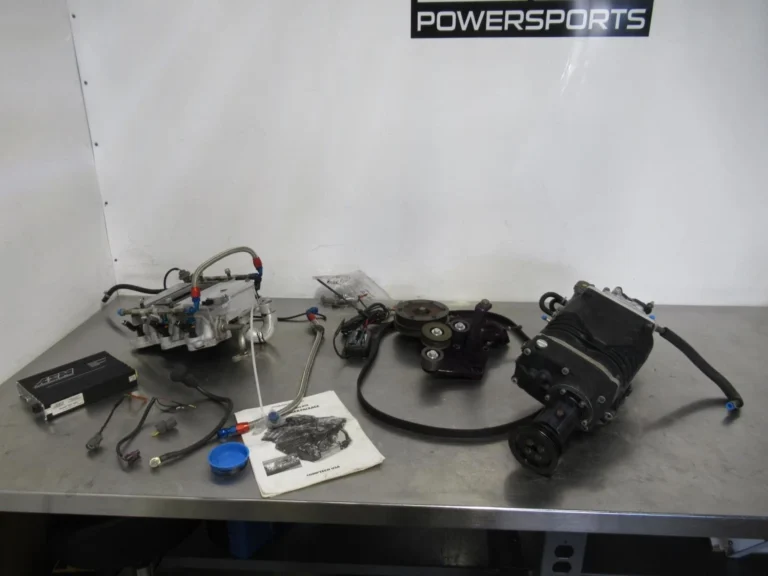
EB1420 1991 91 ACURA NSX COMPTECH SUPERCHARGER KIT
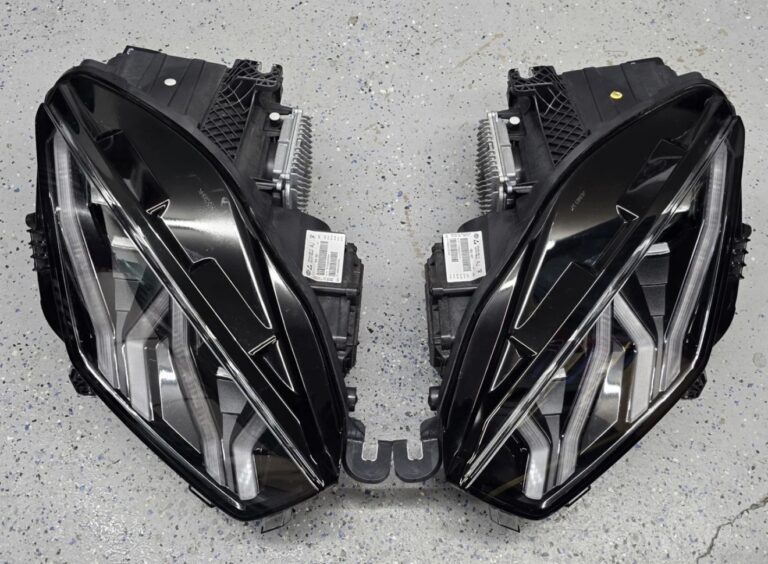
Lamborghini Huracan Headlight 4T0941004H 4T0941003H Headlights
McLaren PCU-400
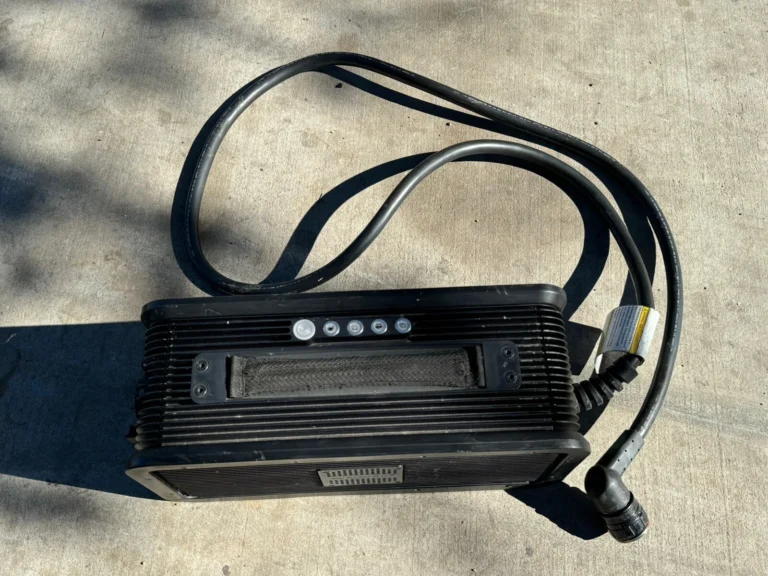
OEM Original Mclaren P1 Hybrid Battery Charger

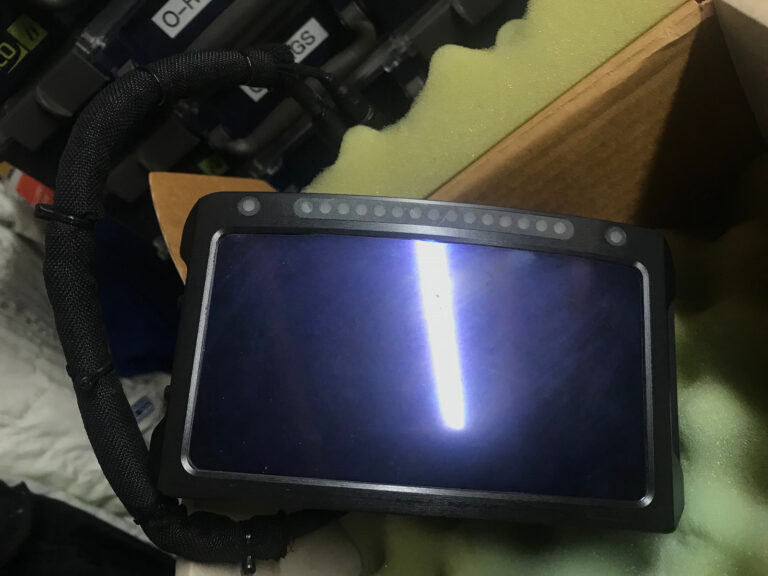
Display Stack ST867 with sensor
