
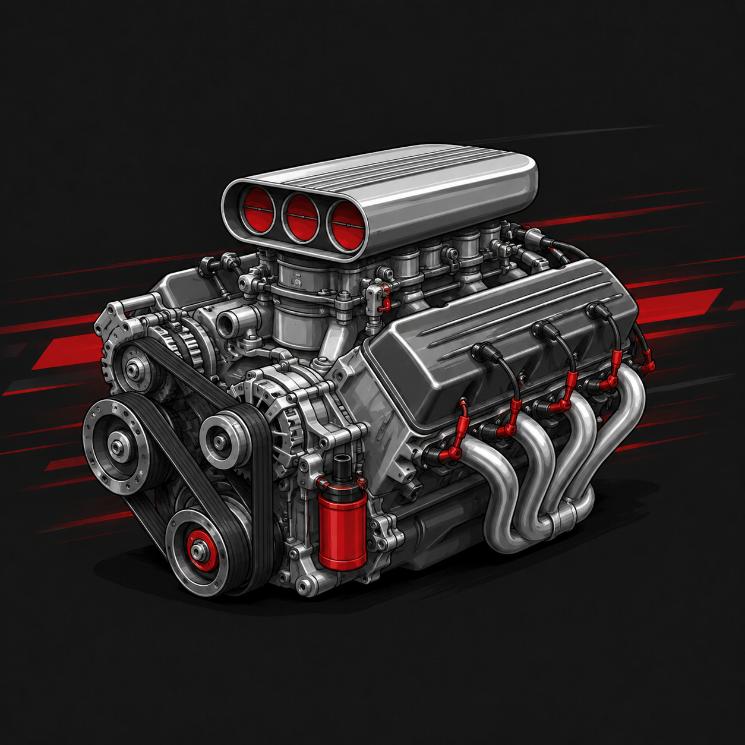
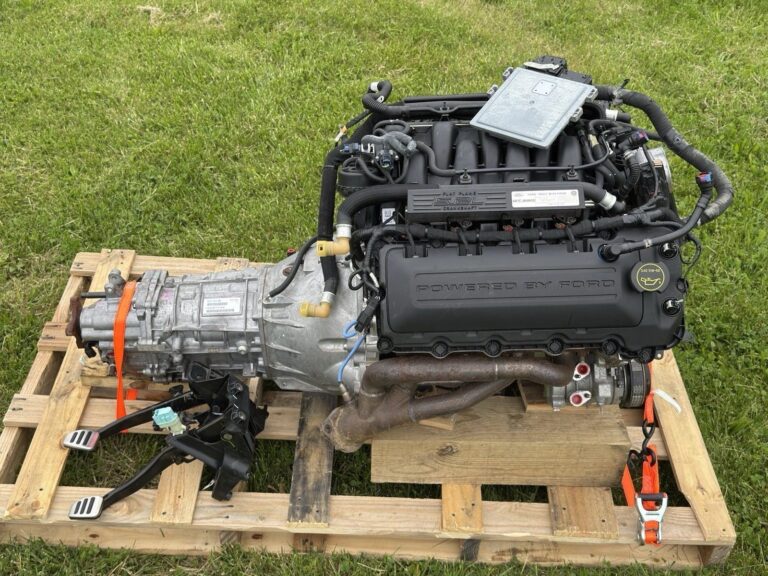
Ford Coyote crate engine
The Coyote crate is American club racing's modern V8 default: Ford's 5.0-litre DOHC in sealed-box form — 400-500 hp with a warranty mentality — powering drift builds, road racers, ovals and endurance Mustangs by the thousand.
History
Ford's Coyote 5.0 (2011, the Mustang GT's modular successor) crossed into motorsport the way small-block Fords always had — except this time Ford Performance industrialised it: crate programmes shipping complete, dyno-run engines with control packs, aluminator variants for boosted builds, and generation updates (Gen 1 through current) tracking the road car's development.
Competition adoption covered the American spectrum: Mustang-based road racing from club to professional GT4 lineage, endurance series where the engine's stock-internals stamina became legend, the drift world's V8 conversions, dirt and asphalt oval classes, and the kit/component-car market (Cobra replicas onward) that treats the Coyote as the modern default answer.
The market's structure is the appeal: new crate pricing from Ford Performance anchors everything, used take-outs and race engines price transparently beneath it, and the parts ocean — OEM scale plus aftermarket depth — keeps rebuild economics rational. Generation identity, hours and any boost history are the used buyer's whole checklist.
Palmarès
Class results across American road racing's Mustang ecosystem (club to GT4-lineage programmes), endurance racing's budget classes, professional drift championships on Coyote swaps, and oval/component-car careers nationwide — the modern small-block Ford record.
What to check before you buy
Generation first (Gen 1/2/3+ differ in heads, intake and management — match to your rules and ECU plan), then history: crate engines with Ford Performance paperwork and hours logs are the predictable buys; road-car take-outs price lower with more diligence (leakdown, oil analysis); ex-boost engines need internals honesty — stock rods have limits folklore overstates but track abuse finds. Verify control-pack/harness completeness (replacement costs surprise). Oiling for road-course use: baffled pan or dry sump per grip level. New-crate pricing caps the used market — negotiate against it.
Did you know
- Coyote endurance builds have run full seasons on stock internals — the engine's warranty-mentality engineering survived racing better than racers expected.
- The crate-plus-control-pack format made V8 swaps almost appliance-like: drift and kit-car builders order the Coyote like a component, not a project.
- Ford's modular-era lessons produced a 32-valve V8 that revs past 7,500 in stock form — the pushrod-versus-DOHC argument settled by sales volume.
In the marketplace now
View all →No exact Ford Coyote crate engine listed right now — here is closely related machinery on the market.
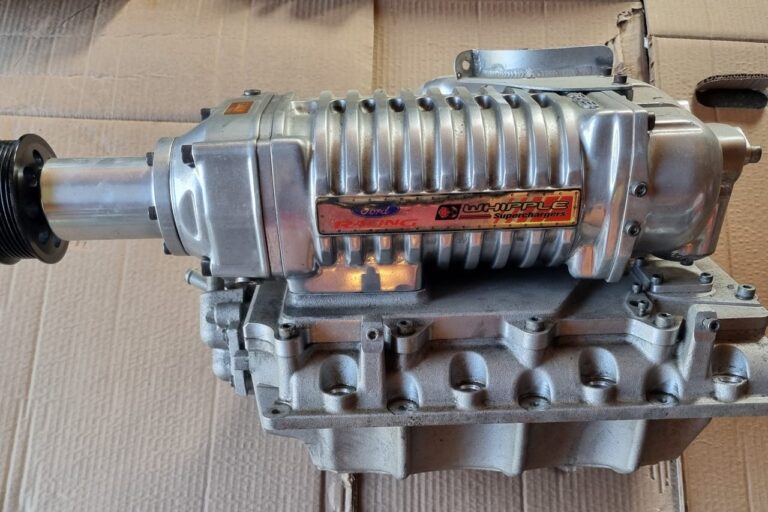
Whipple W140AX 2.3L Twin-Screw Supercharger Kit (2003–2004 Ford Mustang SVT Cobra “Terminator”)
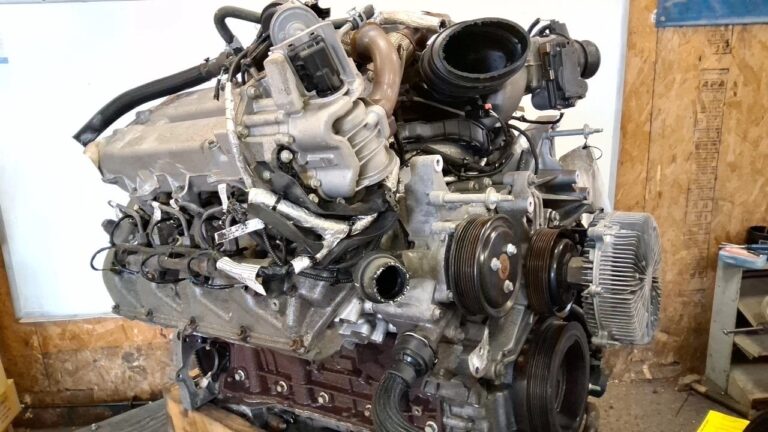
2020 Ford F350 Super Duty 6.7L Engine Motor OEM 27K Miles
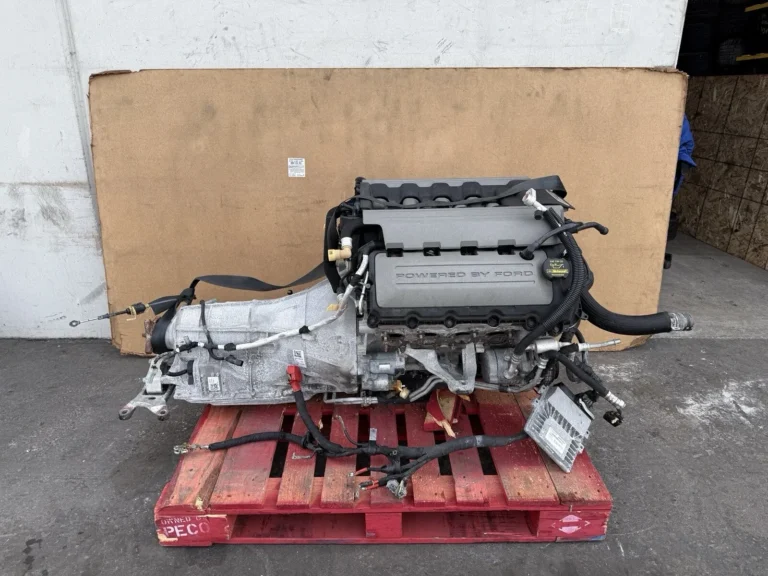
FORD MUSTANG GT 15-17 OEM ENGINE W/ AUTOMATIC TRANSMISSION SWAP ASSY 5.0L V8 62K
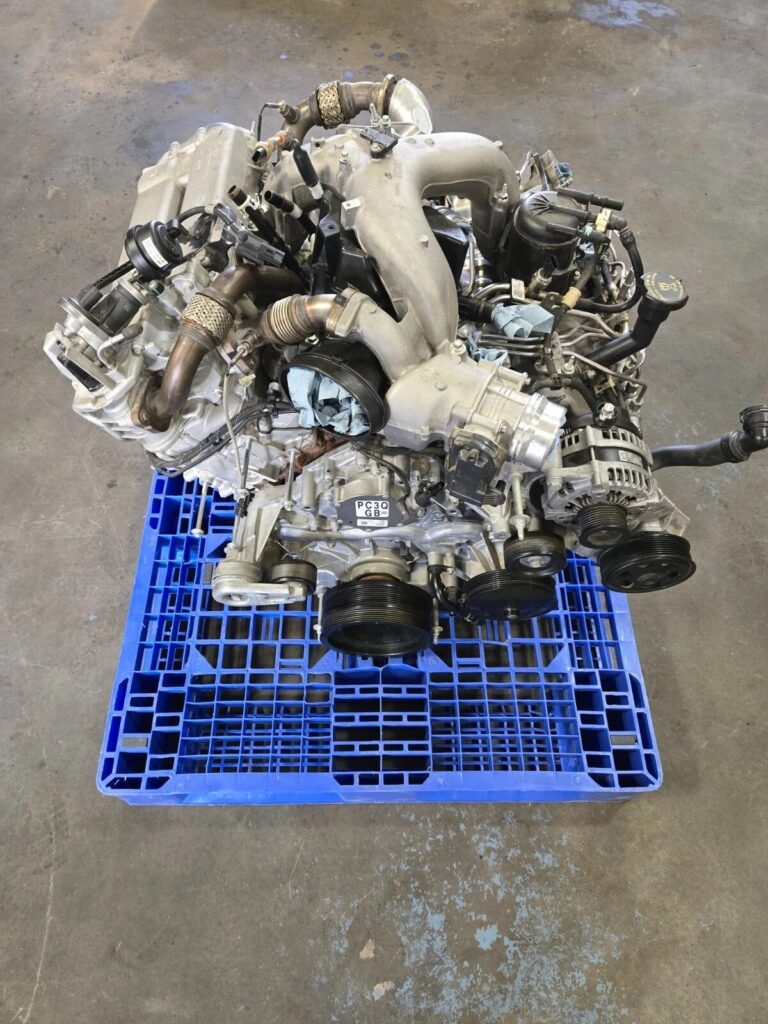
Ford F-250 F350 Super Duty 6.7L Powerstroke Diesel Engine Motor OEM
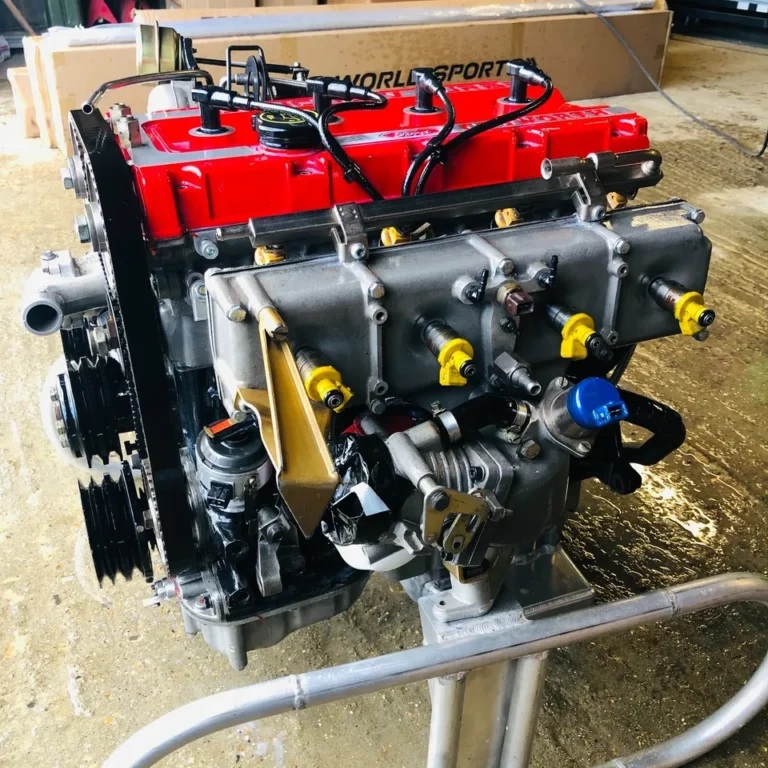
Brand New, Never fitted Ford Sierra RS500 Cosworth YBD Engine
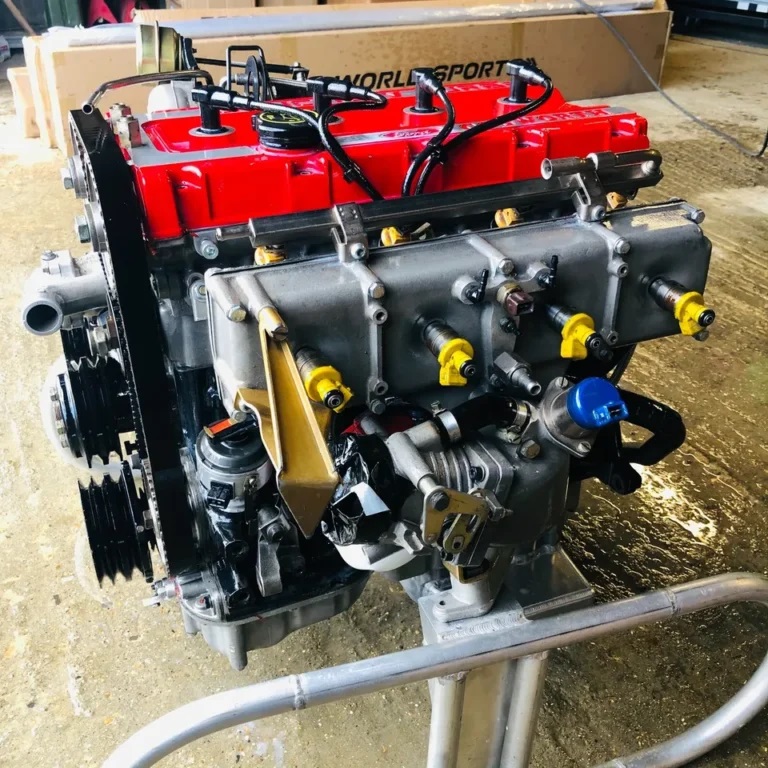
Brand New, Never fitted Ford Sierra RS500 Cosworth YBD Engine
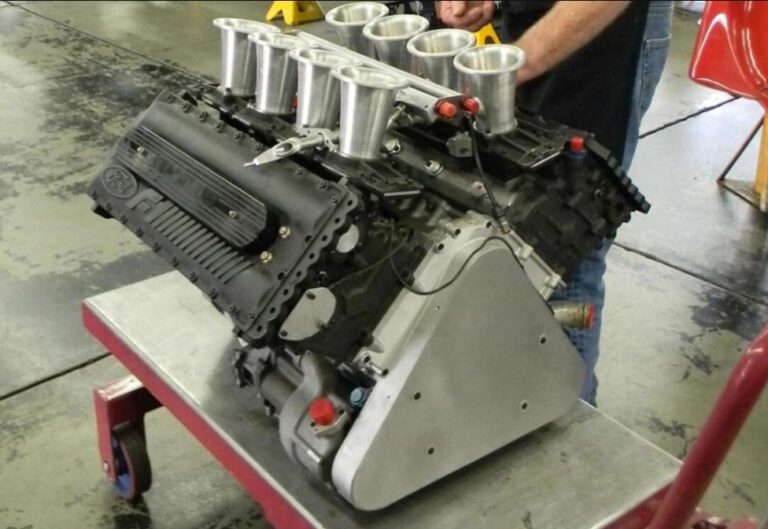
Ford DFR Cosworth Formula 1
2015-2020 Ford Mustang GT350 5.2L Engine Swap Transmission 6 Speed 49K Miles OEM
Parts, spares & upgrades
Browse parts →Whipple W140AX 2.3L Twin-Screw Supercharger Kit (2003–2004 Ford Mustang SVT Cobra “Terminator”)
2020 Ford F350 Super Duty 6.7L Engine Motor OEM 27K Miles
FORD MUSTANG GT 15-17 OEM ENGINE W/ AUTOMATIC TRANSMISSION SWAP ASSY 5.0L V8 62K