
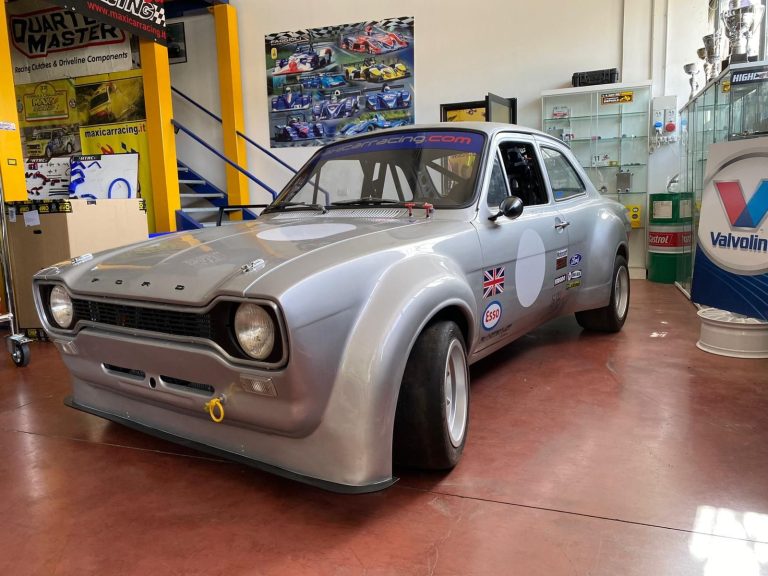
Ford Sierra RS500 Cosworth (Group A)
The RS500 was the ultimate Group A touring car: a 500-unit homologation special whose race versions ran past 550 hp and dominated circuit racing worldwide — so completely that the rulebook was changed to escape it.
History
Ford homologated the Sierra RS Cosworth in 1986, but the RS500 evolution of August 1987 unlocked the YB engine's monstrous potential: a thicker-walled block, larger Garrett turbo, secondary injector rail and revised aero, built in a run of exactly 500 by Aston Martin Tickford. In race trim — Eggenberger's immaculate texaco-liveried cars the reference — the engine gave 500–560 hp in sprints, making the rear-drive Sierra the fastest touring car on earth.
The results were global and near-total: World Touring Car race wins in the format's 1987 season, back-to-back European titles, Bathurst 1000 victories in 1988 and 1989, BTCC crowns through 1990, and championships from Japan to New Zealand. Dick Johnson's 1988–89 Australian campaigns and the Eggenberger/Rouse European operations made the RS500 the tin-top of the decade.
Its dominance killed its category: organizers worldwide moved to two-litre formulas partly to end the Sierra era. Genuine period race cars — especially Eggenberger, Rouse and DJR chassis — now top the Group A collector market, while the 500 road RS500s have become six-figure fast-Ford royalty, and the model headlines historic Group A grids at Goodwood, Bathurst and the DTM Classic support bills.
Palmarès
Bathurst 1000 winner 1988 and 1989; European Touring Car Champion 1988; BTCC titles 1988–1990 era (Rouse, Gravett's rivals); WTCC 1987 race wins including a controversial Bathurst; Japanese, German (pre-DTM-split), Belgian and Australasian championships — the most complete international record of the Group A circuit era.
What to check before you buy
Provenance is the entire market: genuine period race chassis with continuous history (Eggenberger/Rouse/DJR builds are documented) sit far above later Group A-spec cars built on road shells, which in turn outprice modified road cars. Verify the shell's Tickford build number for road-derived cars, YB engine specification (real 500-series blocks are stamped and known), and FIA HTP validity for historic eligibility. On road RS500s, originality of the specific 500-run parts — turbo, injection rail, aero — decides value; clones are common and honest disclosure varies.
Did you know
- The RS500's second injector rail sat unconnected on road cars — installed purely so race teams could legally activate it; 224 road hp hid a 550 hp homologation trick.
- At Bathurst 1987 the winning Eggenberger Sierras were disqualified months later over wheel-arch dimensions — handing the WTCC's most famous race to the third-placed car.
- Period BTCC Sierras ran boost dials drivers turned mid-race — qualifying settings could melt an engine in minutes, and occasionally did on live TV.
In the marketplace now
View all →No exact Ford Sierra RS500 Cosworth (Group A) listed right now — here is closely related machinery on the market.
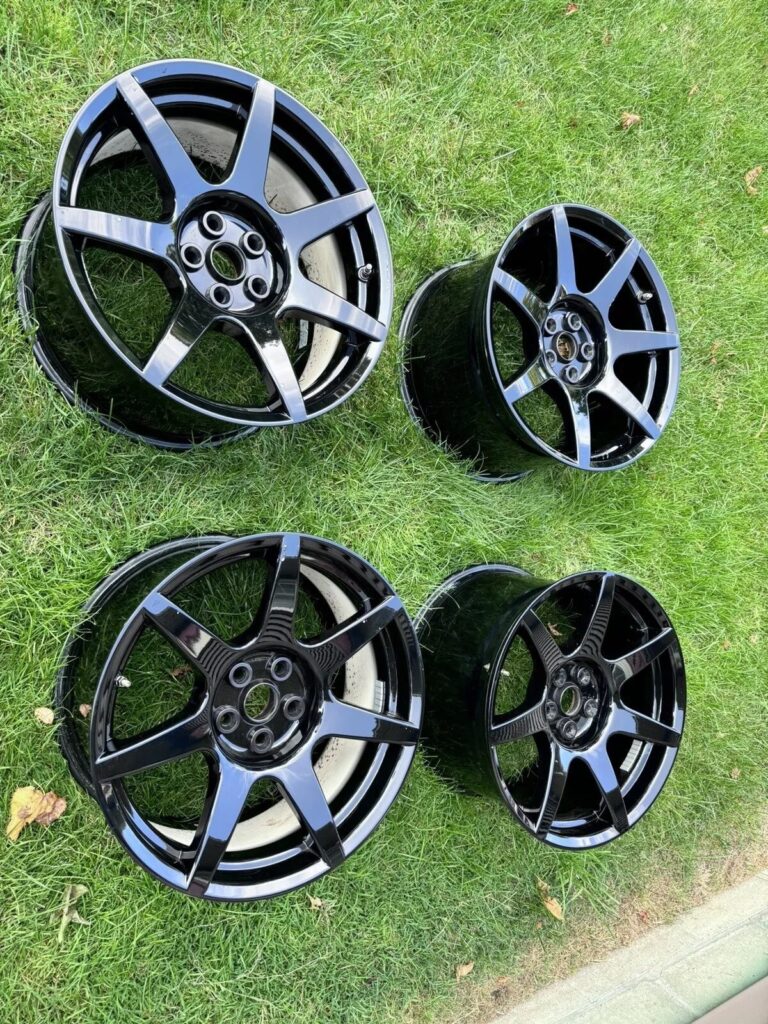
Parts, spares & upgrades
Browse parts →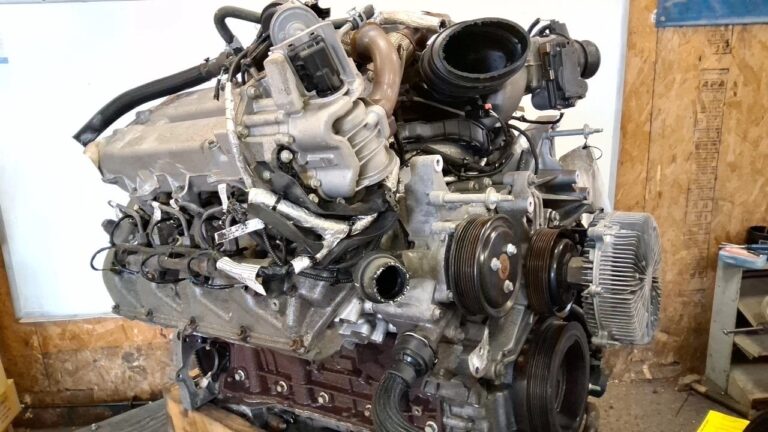
2020 Ford F350 Super Duty 6.7L Engine Motor OEM 27K Miles
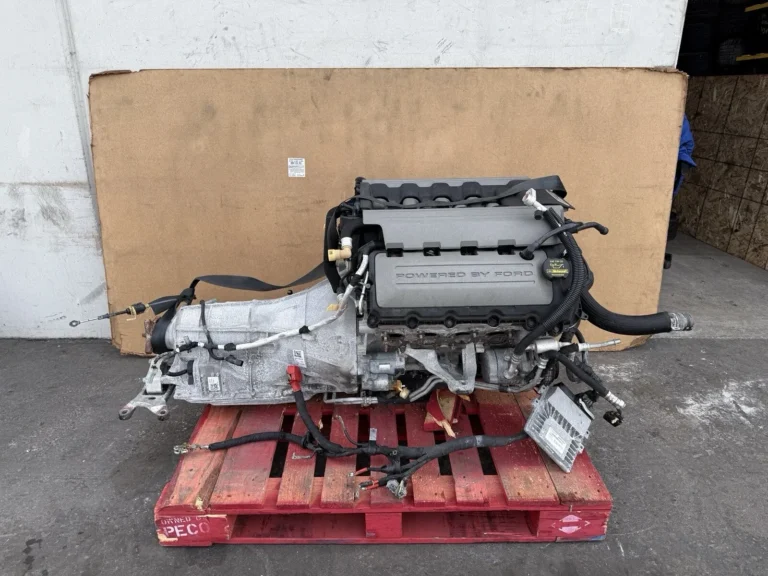
FORD MUSTANG GT 15-17 OEM ENGINE W/ AUTOMATIC TRANSMISSION SWAP ASSY 5.0L V8 62K
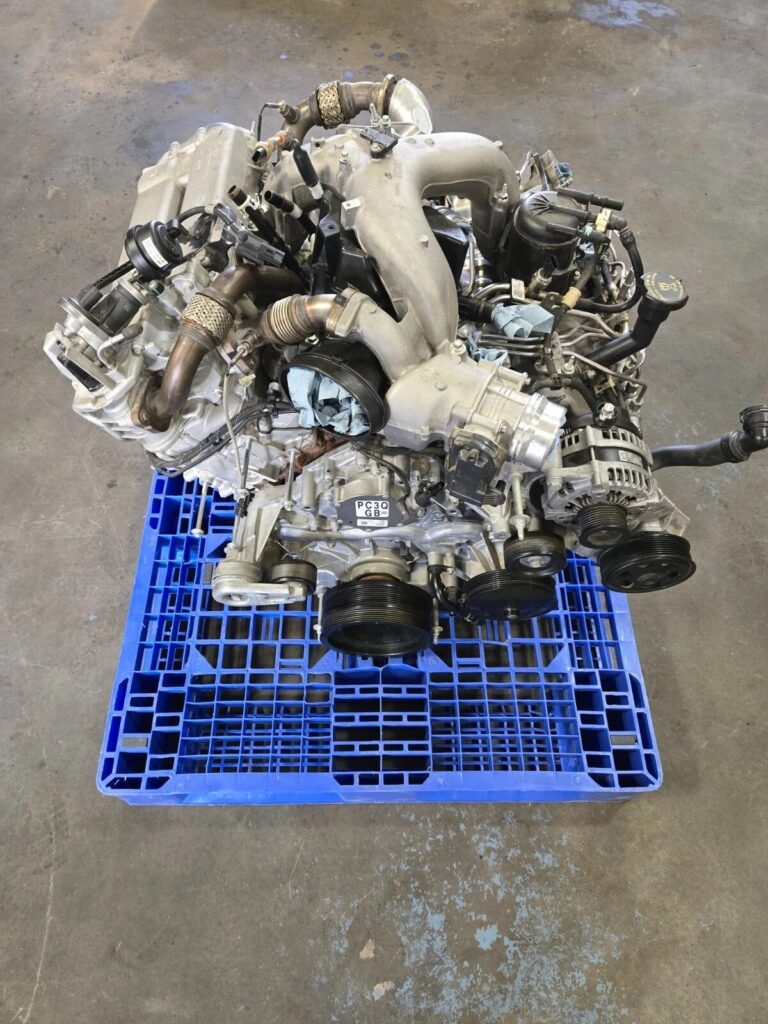
Ford F-250 F350 Super Duty 6.7L Powerstroke Diesel Engine Motor OEM