Lancia Stratos HF
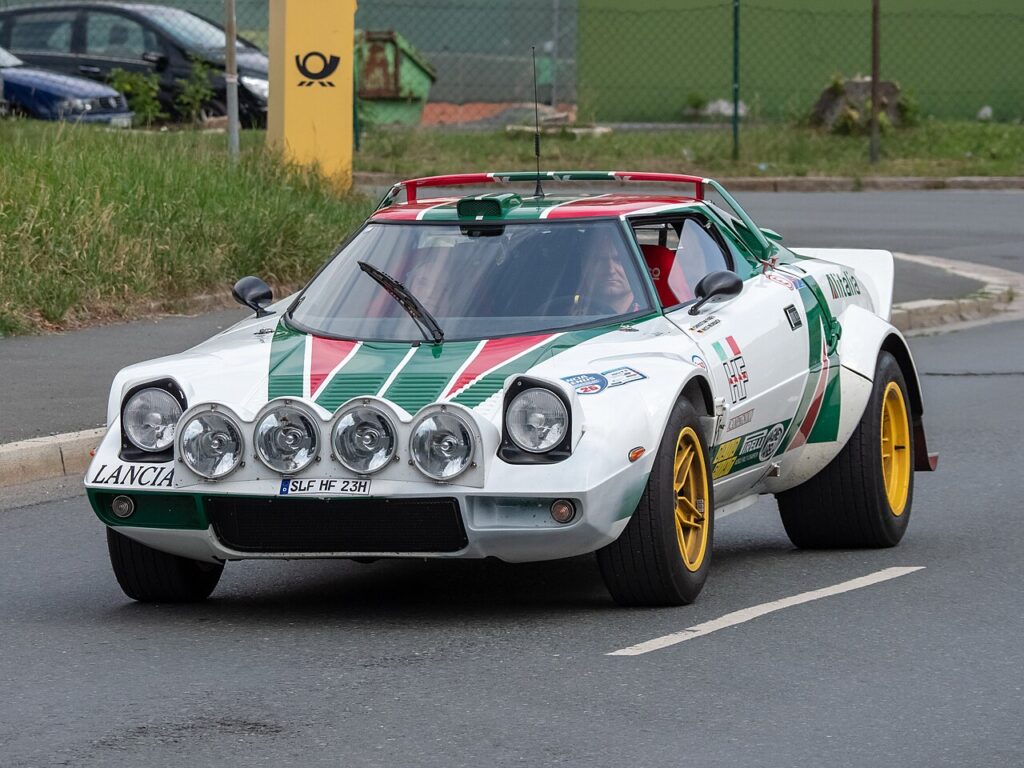
The Stratos was the first car ever designed from a blank sheet purely to win rallies — Bertone's wedge around a Ferrari Dino V6 — and it delivered three consecutive World Championships (1974–76) plus a decade of privateer victories.
History
Cesare Fiorio's insight in 1970 was that rallying's future belonged to purpose-built machines, not adapted saloons. From Bertone's Stratos Zero concept came a compact mid-engined wedge with a lift-off clamshell at each end, a 65-degree Dino 2.4 V6 negotiated out of Ferrari, and geometry optimized for the violent direction changes of special stages. Homologation into Group 4 required around 500 cars — Lancia built roughly that many Stradales through 1974, most sold slowly for years afterward.
Competition results were immediate and overwhelming: World Rally Championship (manufacturers') titles in 1974, 1975 and 1976, with Sandro Munari's Monte Carlo hat-trick (1975–77) the emblem of the era. Fiat's corporate politics redirected works efforts to the 131 Abarth after 1977, but privateer Stratos kept winning — including the 1979 Monte Carlo with Darniche — into the early 1980s, and the Tour de France Automobile fell to it repeatedly.
The Stratos defined the template every Group B car later followed: purpose-built, mid-engined, homologation-run production. Today Stradales trade in the high six to low seven figures, genuine works cars far beyond, and the model's silhouette remains rallying's most recognizable shape.
Palmarès
WRC manufacturers' champion 1974, 1975, 1976; 18 WRC victories including Monte Carlo 1975, 1976, 1977 (Munari) and 1979 (Darniche, privateer); Targa Florio 1974; Tour de France Automobile wins; European Rally Championship titles — plus Giro d'Italia and endurance-event victories with the rare turbocharged Group 5 silhouette variants.
What to check before you buy
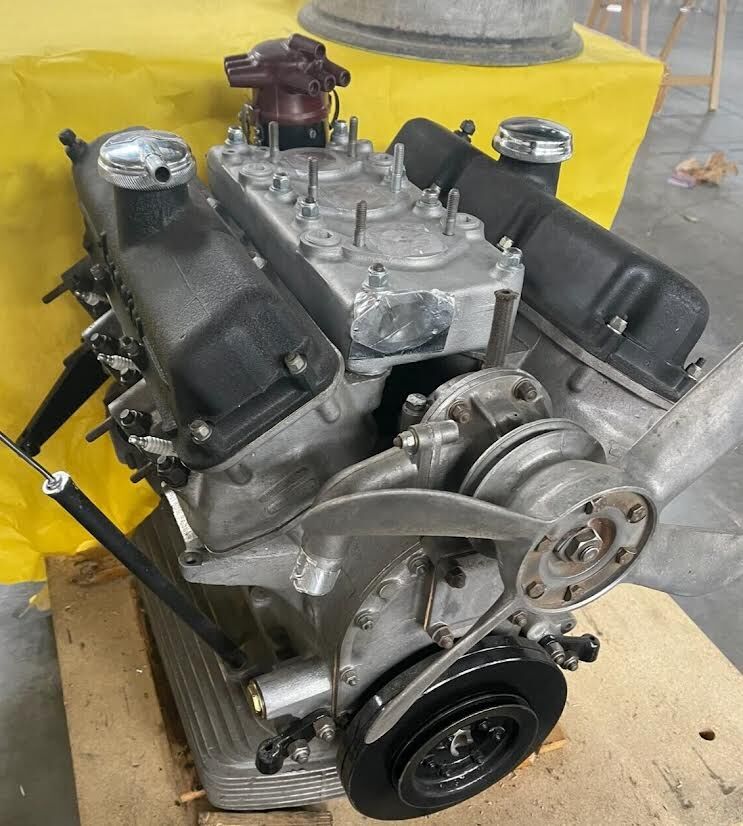
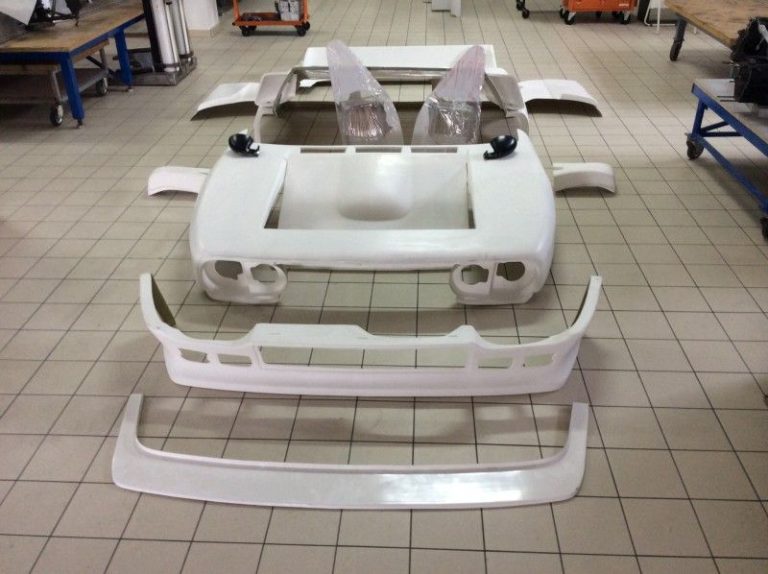
Chassis verification through marque historians is step one: production records, period competition histories and the known works cars are all documented, and the model's value has attracted sophisticated recreations (some on genuine spare-parts chassis plates). Check Dino engine number provenance, the integrity of the centre monocoque section (crash repairs concentrate there), and originality of the fibreglass clamshells — correct panels carry moulding signatures specialists recognize. Ex-competition Stradales with period history occupy a premium tier; concours-original road cars another; recreations trade purely on build quality and honesty.
Did you know
- Enzo Ferrari initially refused to supply Dino engines, relenting only when Dino road-car production wound down — Lancia received engines partly as surplus inventory.
- The Stratos' windscreen wraps so far around that Bertone specified a single enormous curved glass — period drivers called the visibility 'a helicopter view' of the stage.
- Homologation inspectors famously struggled to count 500 completed cars in 1974; decades of research suggest production landed slightly under the nominal figure — one of rallying's enduring open questions.
In the marketplace now
View all →No exact Lancia Stratos HF listed right now — here is closely related machinery on the market.