
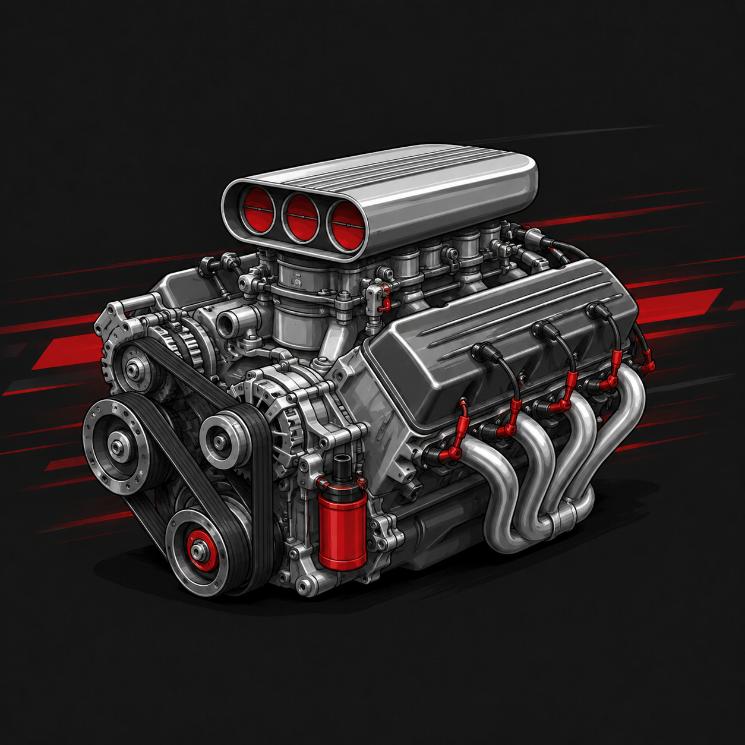
Ford EcoBoost race engine
The EcoBoost is Ford's turbo four gone racing: the 2.0-2.3 family that powers Mustang's entry racers, rallycross builds and the modern kit economy — factory turbocharging the aftermarket learned to trust with boost.
History
Ford's EcoBoost fours (the 2.0 and 2.3 GTDI family) entered racing through factory intent and aftermarket discovery both: the works threads — the Focus RS-and-ST lineage's rallycross-adjacent builds, the 2.3's Mustang EcoBoost platform seeding entry-level circuit racing, and Ford Performance's crate-and-parts programme legitimising competition use — and the tuner discovery that the architecture's bones (forged-adjacent internals by tier, direct-injection headroom) tolerate boost arithmetic that makes 350-450 horsepower builds routine where the discipline permits.
The racing map is the modern-four economy: entry Mustang classes and track builds, rallycross and rally's turbo-four tiers, kit-and-specials constructors choosing factory-turbo packaging over NA-plus-development budgets — with the ecosystem (crate availability, control packs, the tuning trade's map literacy) maturing through the 2010s into dependable infrastructure.
Used EcoBoost engines trade tuner-market grammar: boost-history honesty (tuned lives age turbos and internals invisibly — leakdown and oil-analysis evidence), generation-and-variant identity (2.0 versus 2.3, head-gasket-era updates), turbo condition, and management completeness — the modern-turbo audit throughout.
Palmarès
Entry Mustang-class championships, rallycross builds and club-turbo classes through the family's racing decade — the modern-four record: factory boost raced at the tiers the arithmetic serves.
What to check before you buy
Modern-turbo law: boost-history honesty first (tune evidence, leakdown numbers, oil analysis where stakes justify — tuned lives hide in bearings and ring lands), variant identity (2.0/2.3, update-era internals — the family's known revisions matter), turbo condition (shaft play, wastegate function) and management/harness completeness for swaps. Ford Performance crate paperwork carries the provenance premium as ever. The NA-versus-EcoBoost build question is honest arithmetic: factory turbo packaging buys power-per-pound cheaply where rules permit boost; NA classes keep the Duratec conversation alive. Supply is modern-plentiful; documentation earns modest premiums.
Did you know
- Factory turbocharging inverted the clubman build: the boost hardware arrives from Dearborn, and the aftermarket's job became management, not fabrication.
- The 2.3 Mustang platform seeded entry racing deliberately — Ford Performance's parts programme treating the turbo four as a racing product, not a compromise.
- 350-horsepower routine builds are the arithmetic's point: boost headroom at donor prices resetting what entry-tier power costs.
In the marketplace now
View all →No exact Ford EcoBoost race engine listed right now — here is closely related machinery on the market.
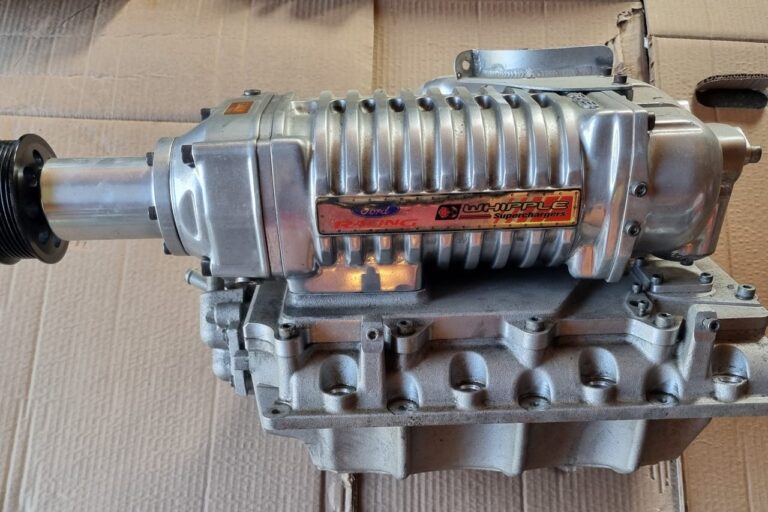
Whipple W140AX 2.3L Twin-Screw Supercharger Kit (2003–2004 Ford Mustang SVT Cobra “Terminator”)
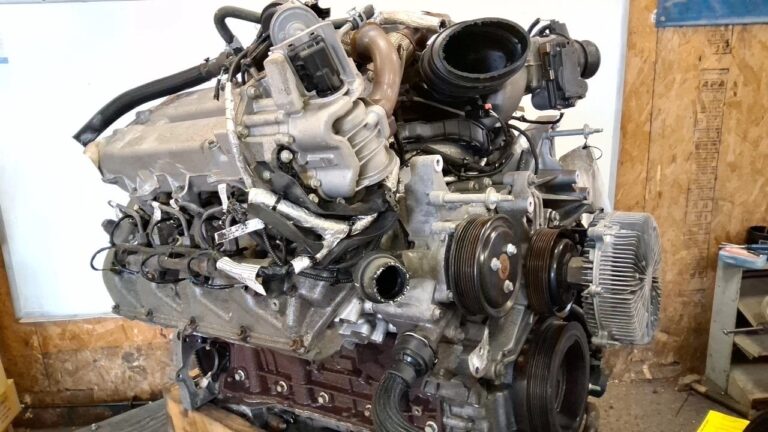
2020 Ford F350 Super Duty 6.7L Engine Motor OEM 27K Miles
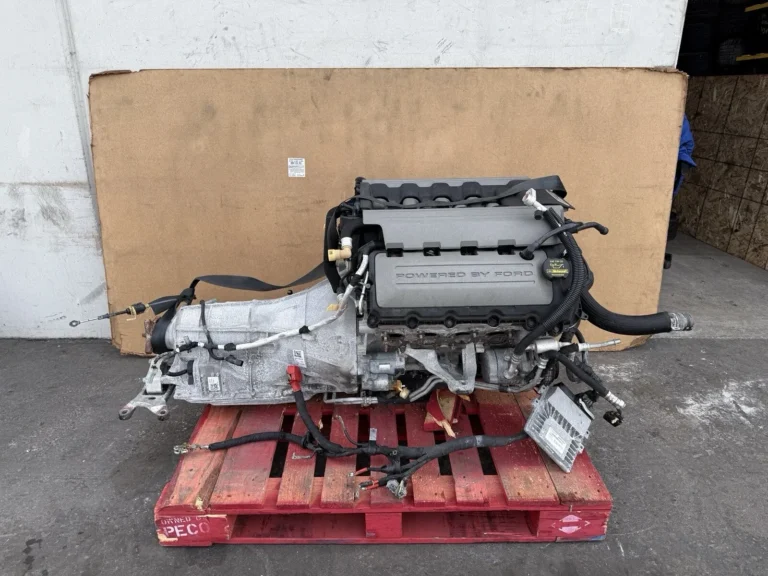
FORD MUSTANG GT 15-17 OEM ENGINE W/ AUTOMATIC TRANSMISSION SWAP ASSY 5.0L V8 62K
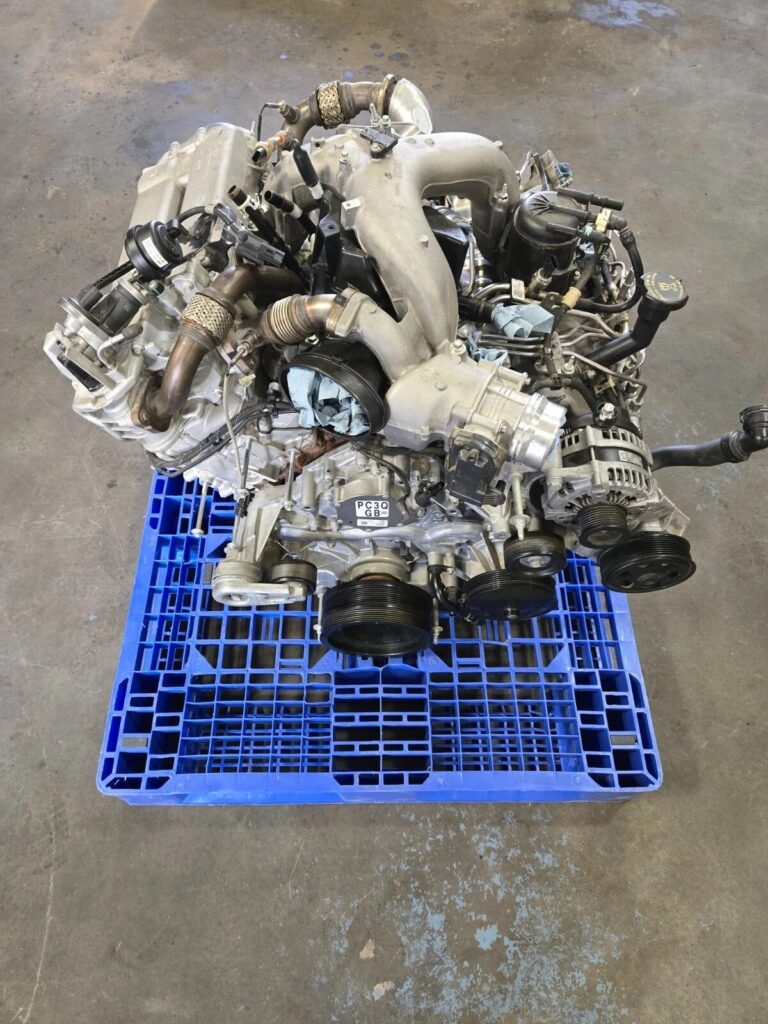
Ford F-250 F350 Super Duty 6.7L Powerstroke Diesel Engine Motor OEM
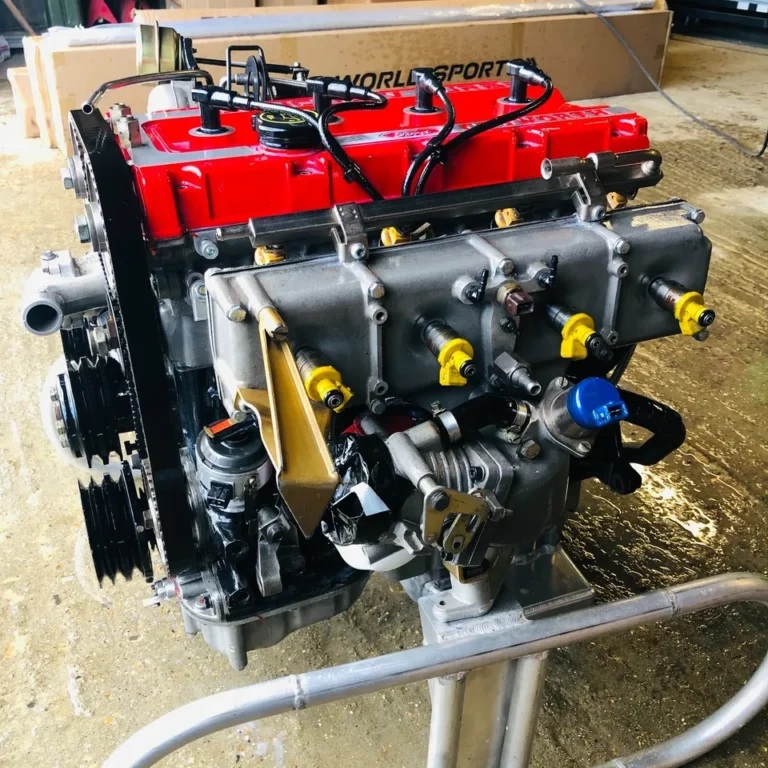
Brand New, Never fitted Ford Sierra RS500 Cosworth YBD Engine
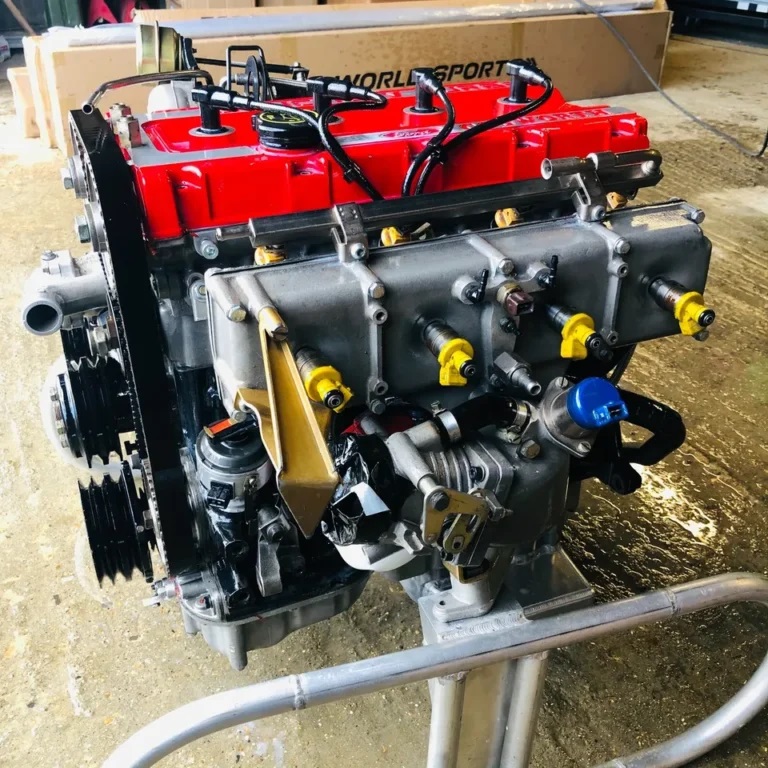
Brand New, Never fitted Ford Sierra RS500 Cosworth YBD Engine
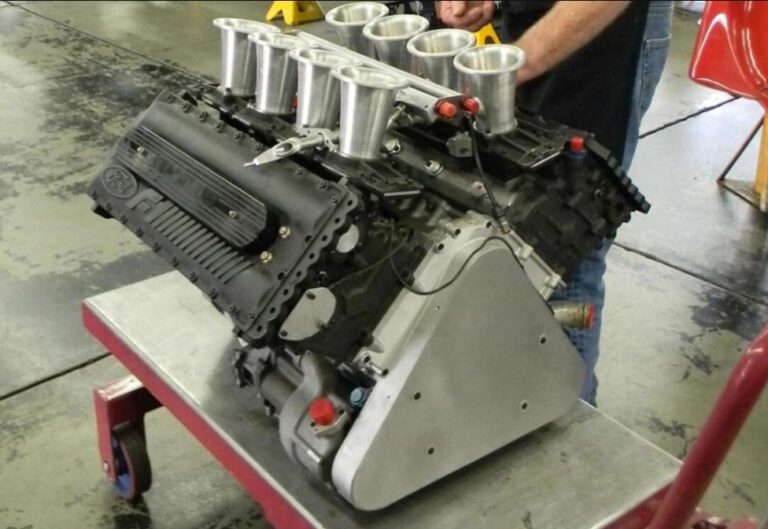
Ford DFR Cosworth Formula 1
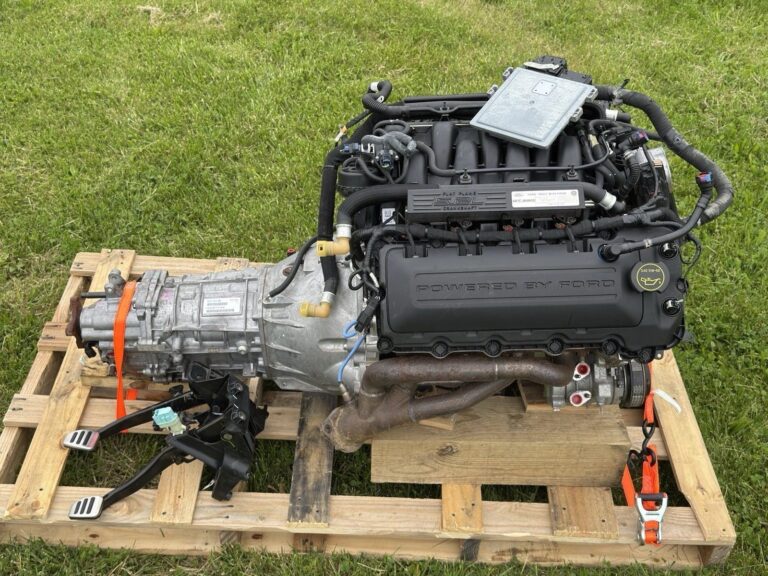
2015-2020 Ford Mustang GT350 5.2L Engine Swap Transmission 6 Speed 49K Miles OEM
Parts, spares & upgrades
Browse parts →Whipple W140AX 2.3L Twin-Screw Supercharger Kit (2003–2004 Ford Mustang SVT Cobra “Terminator”)
2020 Ford F350 Super Duty 6.7L Engine Motor OEM 27K Miles
FORD MUSTANG GT 15-17 OEM ENGINE W/ AUTOMATIC TRANSMISSION SWAP ASSY 5.0L V8 62K