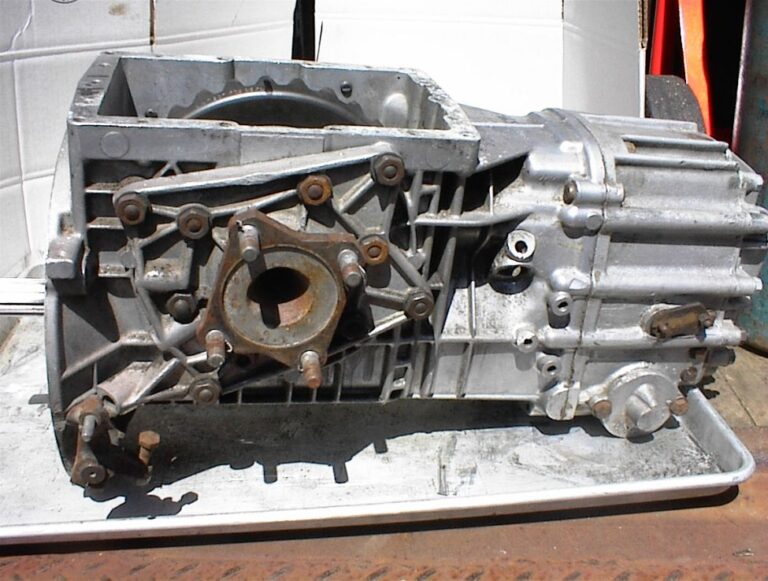

Lotus 49
The Lotus 49 introduced the Cosworth DFV to Formula 1 in 1967 and made the engine a structural chassis member — the twin foundations of Grand Prix design for the next fifteen years. Jim Clark won its debut race; Graham Hill won the 1968 title in it.
History
Colin Chapman's specification to Cosworth for the new 3-litre formula produced the DFV — and the 49 was designed around the engine literally: the V8 bolted rigidly to the monocoque's rear bulkhead and carried the suspension, eliminating the rear chassis structure entirely. The concept was so obviously right that virtually every F1 car since has used the engine as a stressed member.
Jim Clark won the 49's first race, the 1967 Dutch Grand Prix, and took three more that season before mechanical fragility cost the title. After Clark's death in early 1968, Graham Hill steadied the devastated team and won the championship in the 49B, the year Lotus also pioneered both commercial sponsorship (Gold Leaf livery) and, mid-season, the first high wings in F1. Jochen Rindt's legendary 1969 Monaco-adjacent duels and Mario Andretti's early Lotus outings kept the design winning into 1970 — Rindt's Monaco 1970 victory in the ancient 49C, chasing Jack Brabham onto the last corner, is among the most replayed finishes in the sport's history.
Twelve chassis were built; their individual histories — including the much-travelled privateer cars of Rob Walker's team, whose 49 won at Monaco in 1968 with Jo Siffert — are exhaustively documented. Survivors are crown jewels of historic Grand Prix racing.
Palmarès
World drivers' and constructors' champion 1968 (Hill); 12 championship Grand Prix wins 1967–1970 including Clark's four 1967 victories, Siffert's famous 1968 British GP privateer win and Rindt's 1970 Monaco epic; pole positions in its debut year that reset the field's expectations of lap time.
What to check before you buy
As with all landmark 1960s F1, the market is provenance arbitration: all twelve tubs are identified in the literature, several with complex rebuild histories after period crashes — the monocoque's continuity narrative is the negotiation. DFV correctness (period short-stroke spec versus later historic-racing builds) and ZF/Hewland gearbox specification matter for both value and event eligibility. Expect museum-level pricing for ex-Clark/Hill chassis; 'lesser' 49s still trade among the most valuable historic single-seaters. Running one demands DFV-literate support and torsional care of a 55-year-old tub.
Did you know
- Ford paid £100,000 for the DFV's development — arguably the highest-leverage sponsorship in motorsport history, yielding 155 Grand Prix wins.
- The 49B's high wings mounted directly to the suspension uprights; after failures at Barcelona 1969 nearly killed both Lotus drivers, the FIA banned them mid-weekend — F1's first aero regulation.
- Clark's 1967 Dutch GP win came on the DFV's very first race weekend — the engine led its debut lap and won; no F1 engine has repeated that.
In the marketplace now
View all →No exact Lotus 49 listed right now — here is closely related machinery on the market.
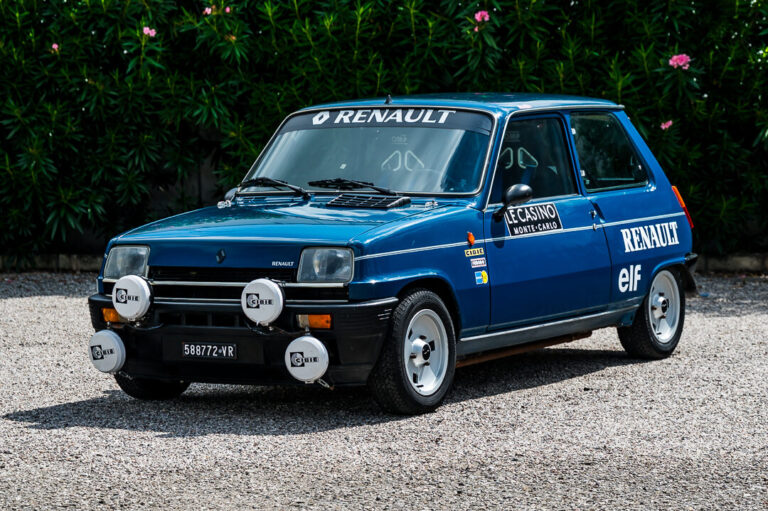
Renault 5 LS Montecarlo Gr. 1
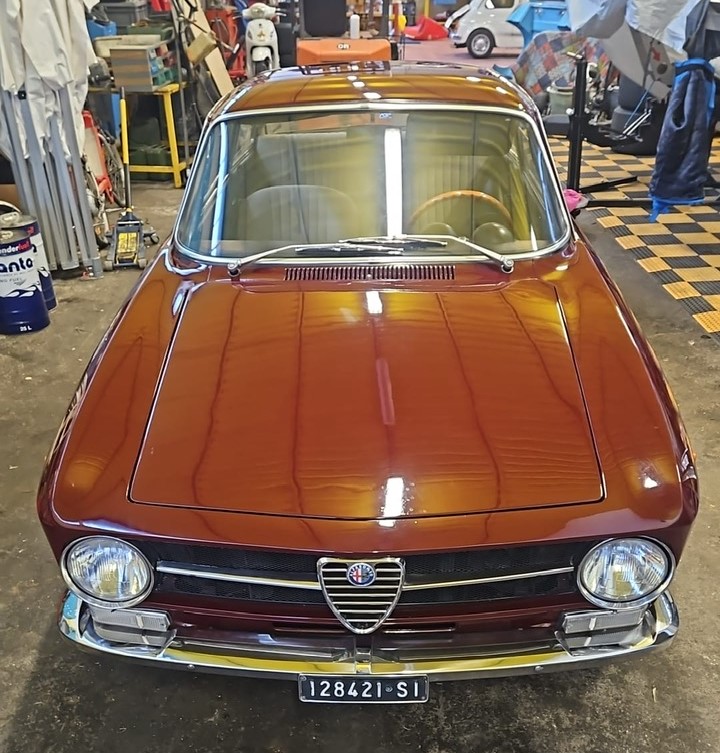
Alfa Romeo GT Junior 1.6 ASI 1972
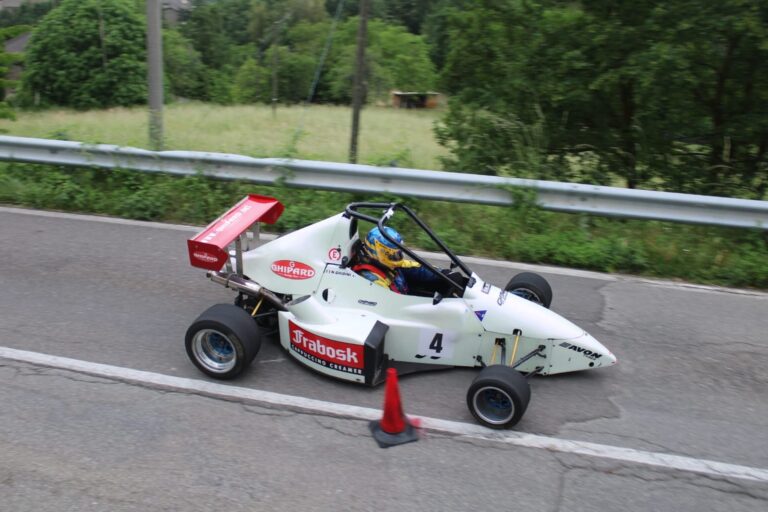
Formula Ghipard 1000 Suzuki K5
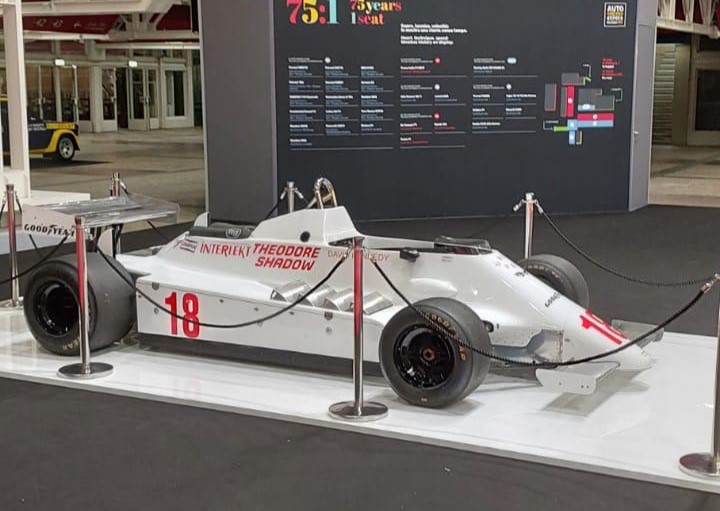
Formula 1 Shadow DN12 Cosworth DFV ex David kennedy
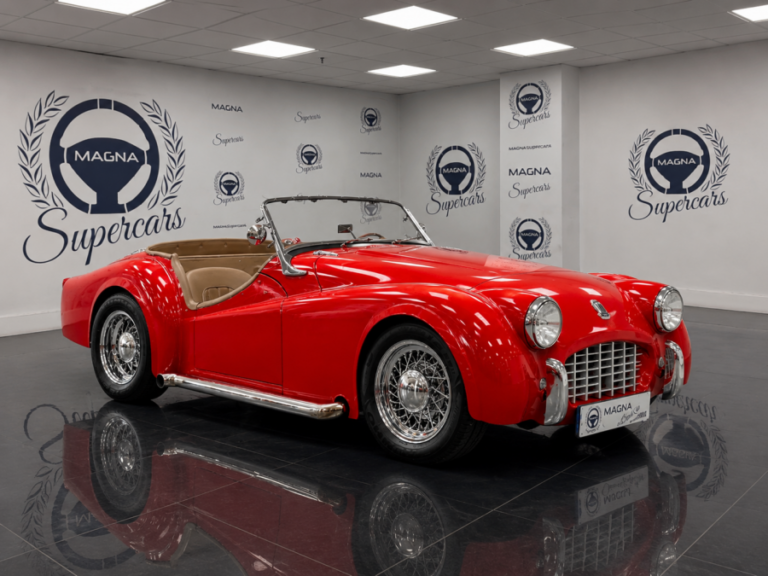
Triumph TR3
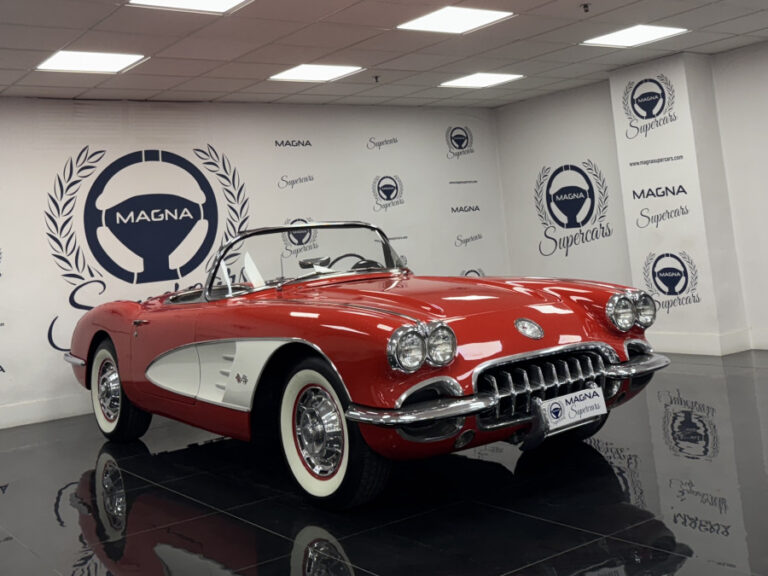
Chevrolet Corvette C1 Cabrio 1960
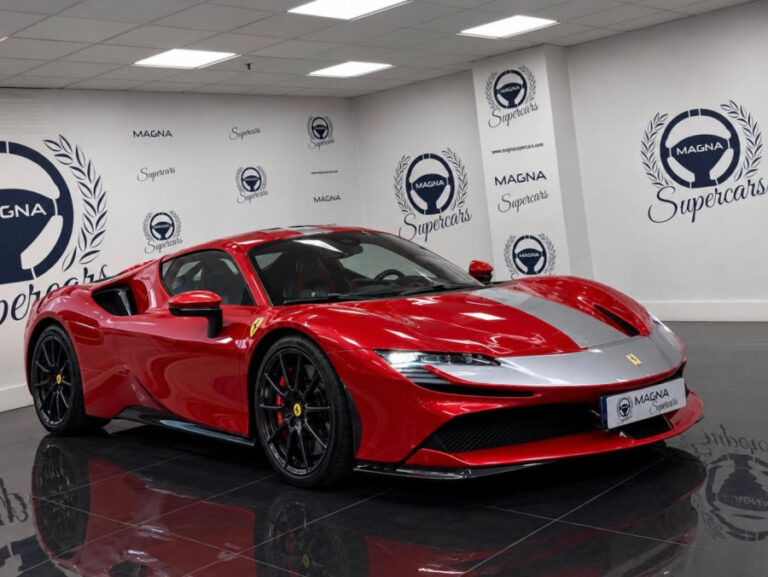
Ferrari SF90 Stradale Assetto Fiorano