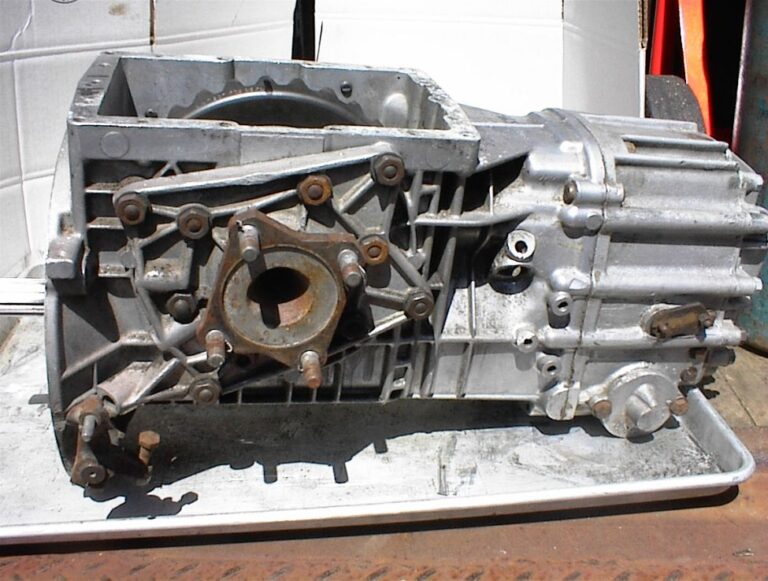
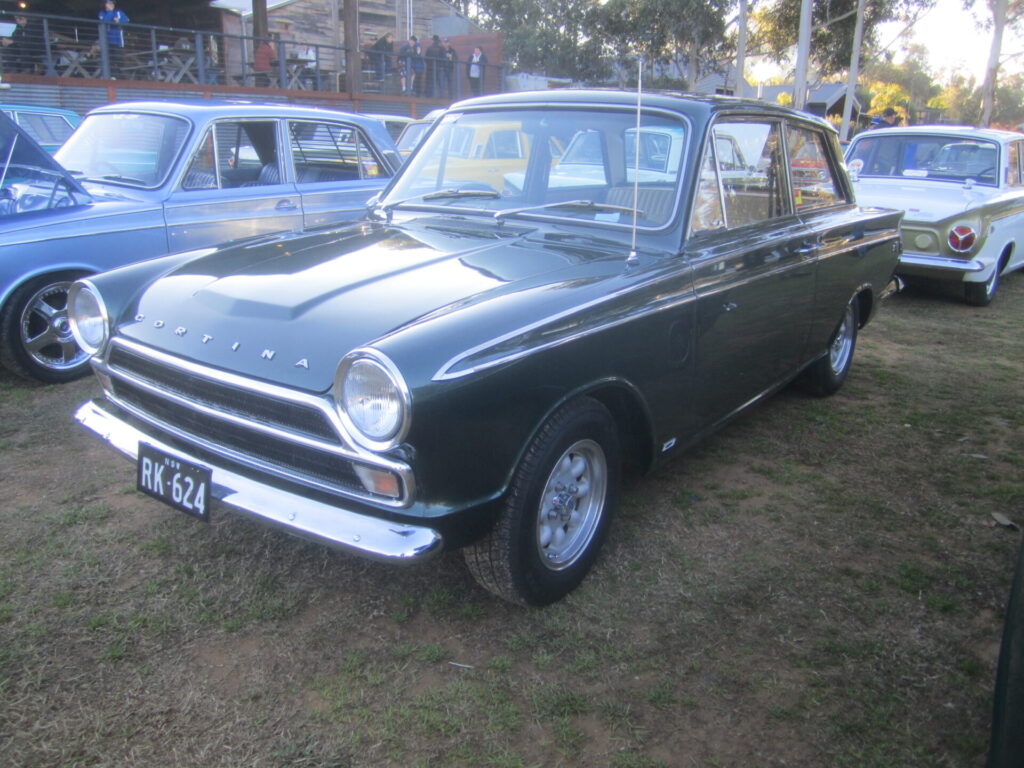
Lotus Twin Cam race engine
The Lotus Twin Cam is the 1960s in aluminium: Chapman's Ford-block twincam that powered Elans, Lotus Cortinas and the 23's giant-killing — still the beating heart of historic racing's most beloved class of machinery.
History
Lotus's Twin Cam (1962, Harry Mundy's design brief) put an aluminium twin-cam head on Ford's pushrod bottom end — the Kent-block pragmatism that became a template — creating the engine of the marque's golden road-and-race era: Elan and Elan 26R, Lotus Cortina's touring-car theatre, the Lotus 23B's sports-racer legend and Europa/Seven applications through 1975, with race tuning by BRM, Cosworth (Mk XIII) and the era's specialist trade reaching ~140–180 hp by specification.
The competition record made icons: Jim Clark's Lotus Cortina seasons, the 23B's Nürburgring embarrassment of bigger machinery, Elan 26R's GT class career and a decade of clubman racing that installed the engine in British motorsport's collective memory.
Historic racing never let go: 26R and Cortina grids at Goodwood-tier meetings, HSCC and FIA Appendix K fields run Twin Cams by the hundred, and a complete specialist ecosystem (blocks, heads and cranks all remanufacturable) keeps supply honest. Specification correctness for eligibility — period head castings, correct Webers, capacity — is where the money concentrates.
Palmarès
British and European Touring Car theatre with the Lotus Cortina (Clark's sideways seasons the monument); Lotus 23/23B sports-racer wins across Europe; Elan 26R GT class careers — then six decades of historic victories at Goodwood, HSCC and Appendix K meetings worldwide.
What to check before you buy
Eligibility spec is the price ladder: an Appendix K-correct engine (period head casting, correct carburation and capacity, documented internals) is worth far more than a hot road-spec twincam of equal power — verify the file against your class's papers. Head provenance matters most (original versus remanufactured castings both legitimate, differently priced); check crank and rod specification, Weber setup correctness, and hours since a name-builder refresh. The remanufacturing ecosystem means everything is obtainable — which makes documentation, not parts, the scarce asset. Buy the invoice trail.
Did you know
- Jim Clark's three-wheeling Lotus Cortina made the Twin Cam's induction bark the sound of 60s saloon racing — the era's most photographed cornering attitude had this engine underneath.
- The 23B's 1963 Nürburgring legend — Clark leading the field's prototypes on a fraction of their capacity — is the Twin Cam's giant-killing certificate.
- The aluminium-head-on-Ford-block formula was so right that Cosworth's BDA simply repeated it with four valves — the Twin Cam is the BDA's conceptual parent.
In the marketplace now
View all →No exact Lotus Twin Cam race engine listed right now — here is closely related machinery on the market.