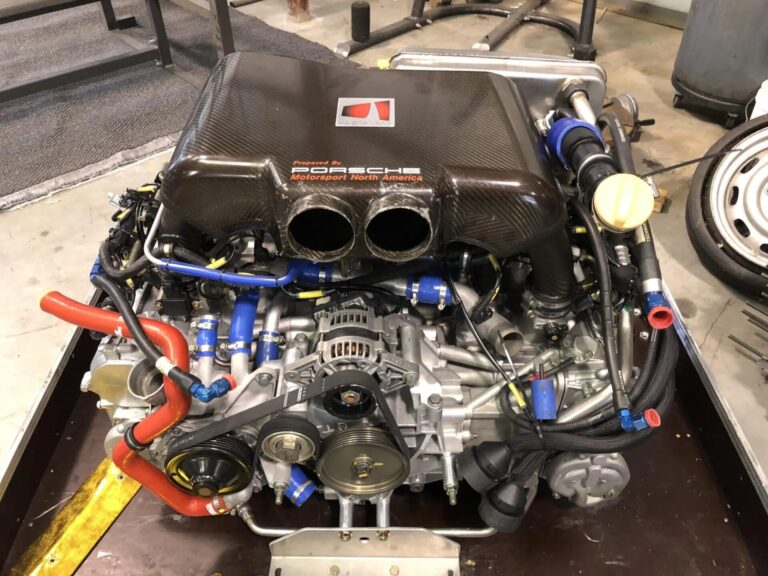
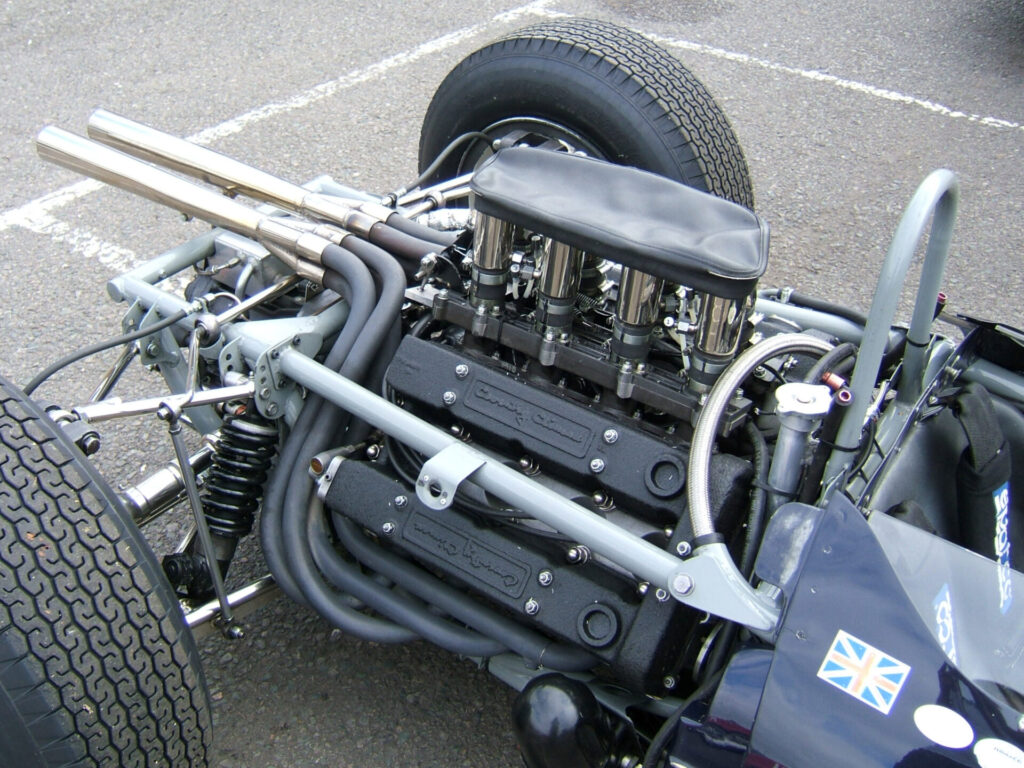
Coventry Climax race engine
Coventry Climax is the fire pump that won World Championships: the FWA-to-FWMV engine dynasty that powered Cooper's and Lotus's titles and half of 1950s-60s British racing — now the precious heart of blue-riband historics.
History
The legend is true: Coventry Climax's featherweight FW ('featherweight') engine was designed as a portable fire-pump unit, and Cyril Kieft's 1954 realisation that it out-powered racing engines per kilogram launched the FWA — the 1,100cc single-cam that immediately owned small-capacity sports-car racing in Lotus Elevens and Coopers.
The dynasty followed British racing upward: FWB and FPF twin-cam fours powered Cooper's rear-engine revolution to the 1959–60 F1 World Championships (Brabham's first titles) and armed Lotus, Cooper and privateers across F2 and Intercontinental racing; the FWMV V8 of the 1.5-litre formula carried Jim Clark's Lotus 25/33 to the 1963 and 1965 championships before Climax's 1965 withdrawal ended the era — the little Coventry firm having powered more British world-title glory than any engine maker before Cosworth.
Historic racing treats surviving units as crown jewels: FWA/FWB engines power the Goodwood-tier sports-racer grids, FPFs anchor front-and-rear-engine GP historics, FWMVs live in the priceless 1.5-litre cars — all supported by a small specialist priesthood whose rebuild slots and remanufactured internals keep the dynasty running.
Palmarès
F1 World Championships 1959, 1960 (Cooper-Climax FPF) and 1963, 1965 (Lotus-Climax FWMV); Tasman and Intercontinental titles; a decade of sports-car class domination from the FWA lineage — British racing's founding engine dynasty.
What to check before you buy
Type identity structures everything: FWA/FWB sports units, FPF fours (by capacity — 1.5 F2 to 2.7 Intercontinental) and FWMV V8s occupy different markets, eligibility worlds and price altitudes — verify casting numbers and internals against the claimed type with the marque specialists (a small, known circle whose opinion is the market's court). Provenance to period chassis multiplies value; remanufactured components (cranks, rods, cases exist new) are legitimate and declared. Rebuild-slot access matters — the priesthood's waiting lists are real. Budget conservatively: these engines' running costs match their grid company.
Did you know
- The FW series really was a fire-pump design — the engine that won four World Championships was engineered to throw water, not lap records.
- Climax powered both of racing's great revolutions at once: Cooper's rear-engine titles and Lotus's monocoque era ran on the same Coventry firm's fours and V8s.
- The company's 1965 withdrawal to focus on fork-lift trucks ended an era — British GP racing's engine crown passed directly to Cosworth's DFV two years later.
In the marketplace now
View all →No exact Coventry Climax race engine listed right now — here is closely related machinery on the market.
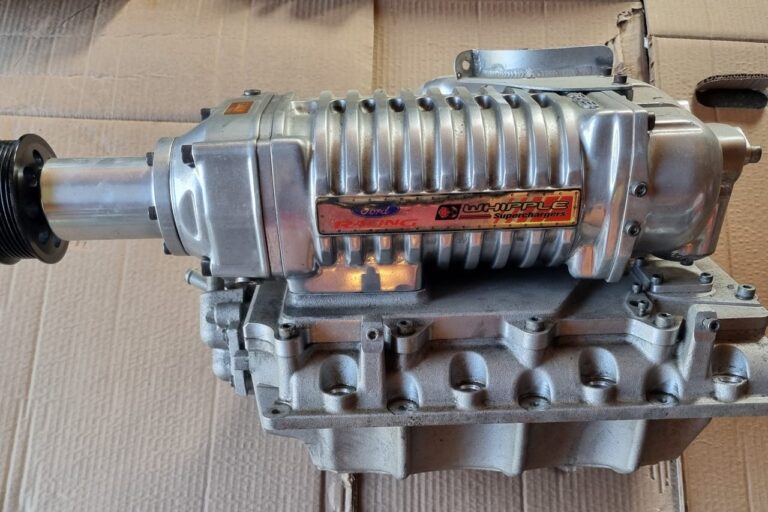
Whipple W140AX 2.3L Twin-Screw Supercharger Kit (2003–2004 Ford Mustang SVT Cobra “Terminator”)
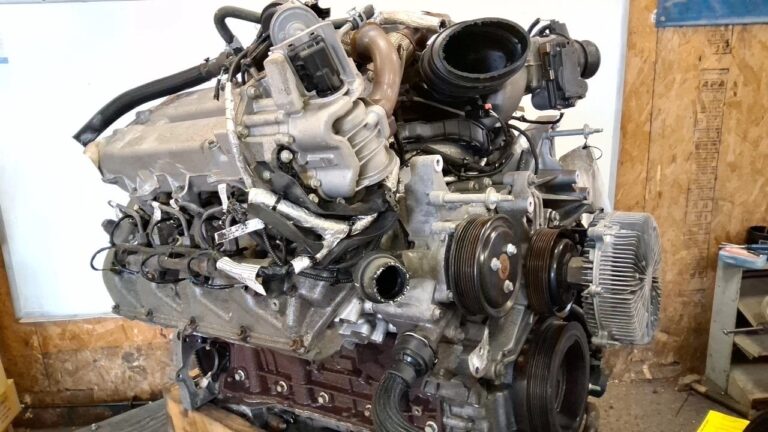
2020 Ford F350 Super Duty 6.7L Engine Motor OEM 27K Miles
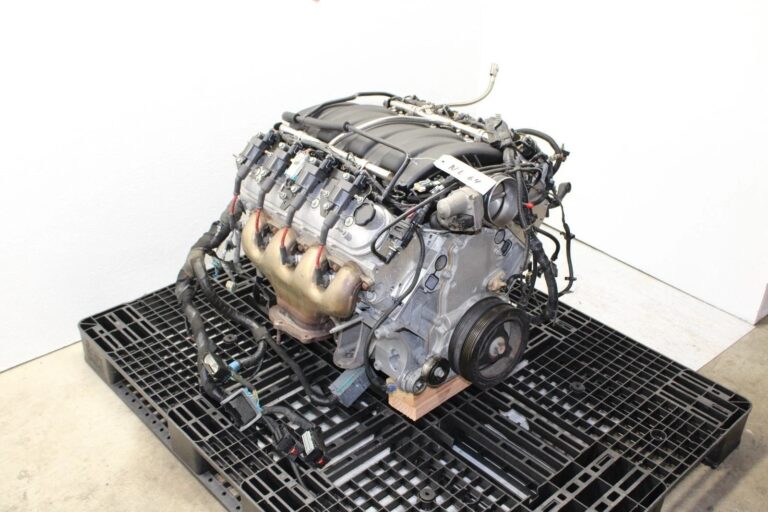
2008 Chevrolet Corvette Z06 M/T 7.0l LS7 Engine Assembly 107K OEM NL64
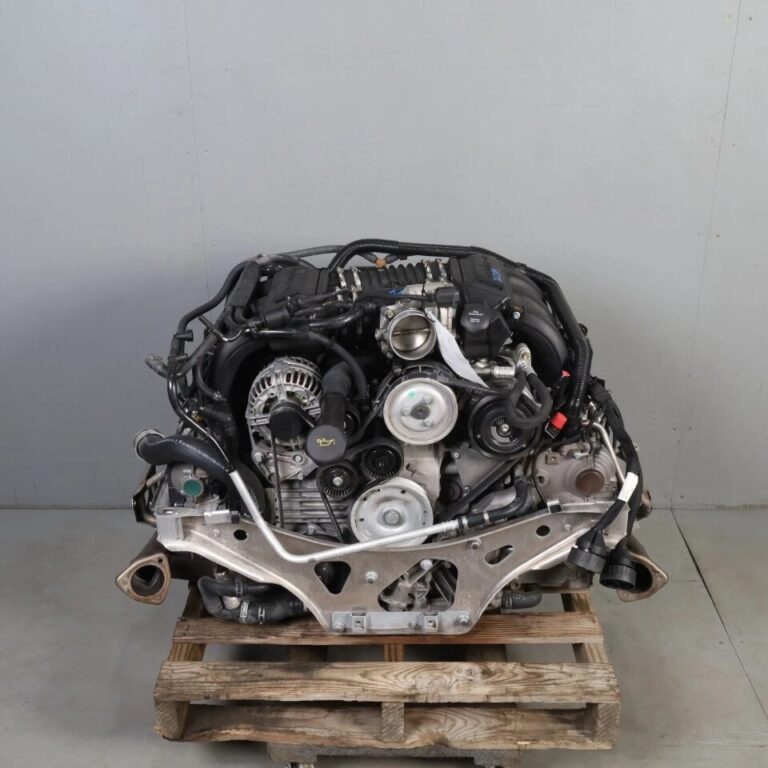
2007-2008 Porsche 911 997 M96.05 3.6 Engine Motor Drop Out OEM 72k Miles
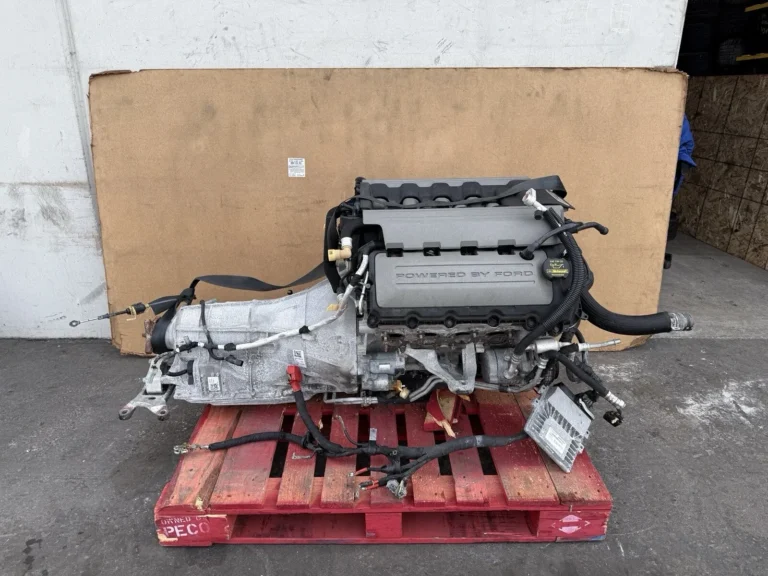
FORD MUSTANG GT 15-17 OEM ENGINE W/ AUTOMATIC TRANSMISSION SWAP ASSY 5.0L V8 62K
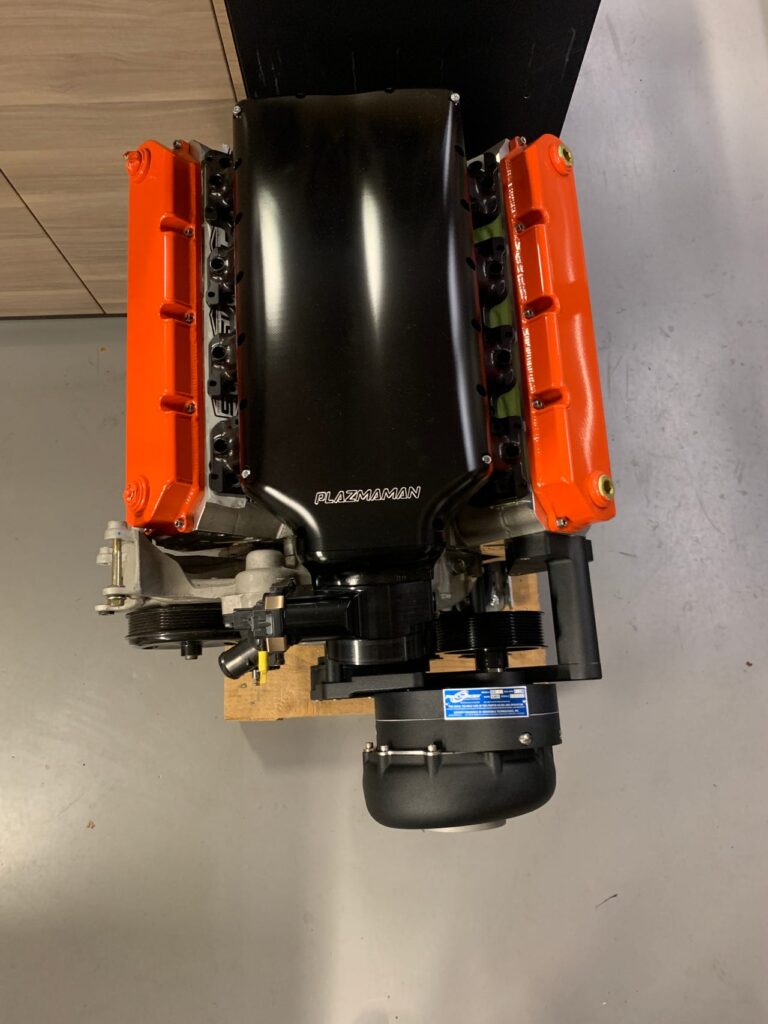
Unused ProCharger F1A-94 Supercharger Kit – GM Gen V LT1 / C7 Corvette
Porsche 956 935/82 Engine