

NASCAR Xfinity Car
The Xfinity car is NASCAR's second-division stocker: tube-frame V8 machinery one step below Cup, the series where champions are made — and the used market's most accessible route into genuine NASCAR ownership.
History
NASCAR's second tier — Busch, Nationwide, now Xfinity Series — has always run purpose-built tube-frame stock cars slightly milder than Cup equipment: carburetted (later injected) pushrod V8s around 650–700 hp, four-speed manuals, steel bodies over full perimeter frames, engineered for the bump-and-run realities of Saturday racing. Chassis come from the same constructor ecosystem as Cup (team-built or from specialists), with generational body updates tracking the road-car silhouettes — Monte Carlos and Mustangs through today's Camaro/Supra/Mustang era.
The series' sporting role is the talent forge: nearly every modern Cup champion took an Xfinity title or win streak on the way up, and 'Xfinity regular versus Cup interloper' battles define its narrative.
For buyers, retired Xfinity cars are American racing's bargain: team clearouts release raced chassis with documented builds at prices below serious club GT money, feeding oval track days, ARCA-adjacent grids, vintage stock-car events and European/Whelen-style series. The V8-and-solid-axle formula is famously rebuildable — the ownership case is parts-counter simplicity at race-car scale.
Palmarès
Every Xfinity/Busch/Nationwide Series championship since 1982 — a champions' list from Earnhardt-era names through Busch, Logano, Larson-generation graduates; Daytona and Darlington crown-event wins; and the feeder record itself: the majority of modern Cup champions passed through this machinery.
What to check before you buy
Buy the build sheet: chassis constructor and generation (COT-era, 2010s composite-body, current), engine program provenance (a fresh spec V8 from a named builder is the value core), and the team-clearout paper trail — famous-driver history multiplies price and is verifiable through NASCAR's records. Check frame straightness and clip-replacement history (contact is the sport), which body/aero generation is fitted for your intended use, and legality targets: European NASCAR-style series, vintage stock car clubs and track-day ovals each accept different generations. Cars sold with spares packages and setup books from active teams are worth the premium.
Did you know
- Xfinity cars race Daytona within a few mph of Cup machinery on a fraction of the budget — restrictor-era physics made the junior series' pack racing arguably wilder.
- The 'Dash 4 Cash' and its predecessors turned mid-race positions into five-figure cheques — short-term incentives that produced some of NASCAR's most chaotic finishes.
- Team clearouts sometimes sell complete rollers cheaper than a new GT4 car's brake package — the paddock's worst-kept value secret.
In the marketplace now
View all →No exact NASCAR Xfinity Car listed right now — here is closely related machinery on the market.

2019 Supra GT-4 Evo
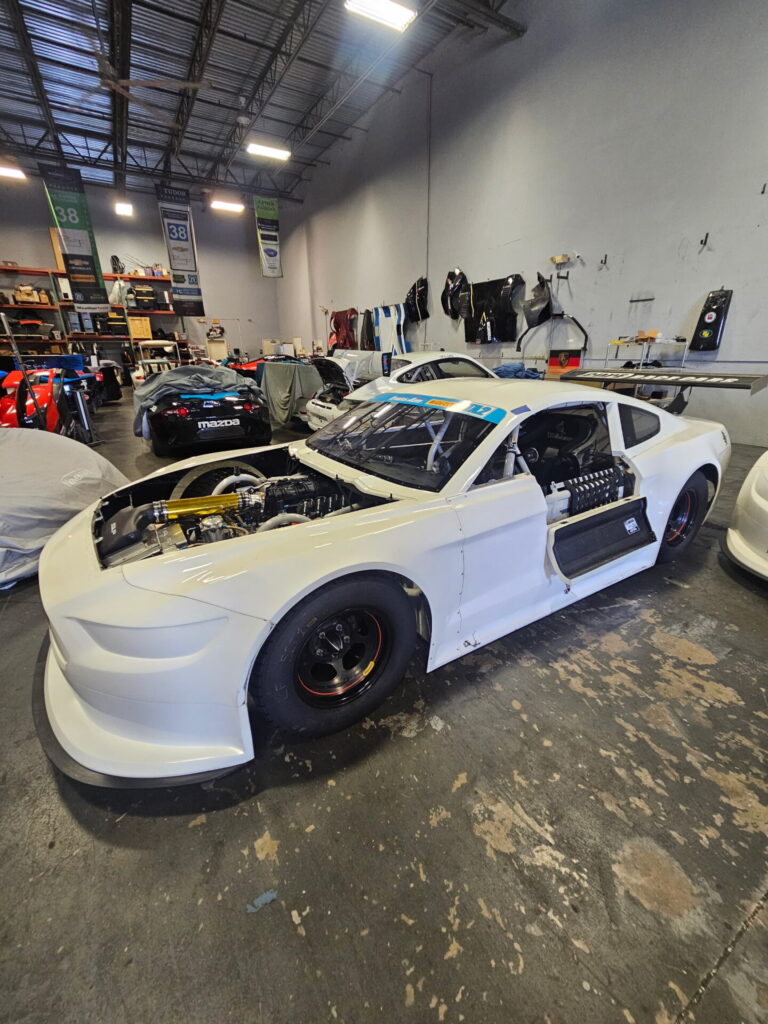
2024 Cope TA2 Race Car
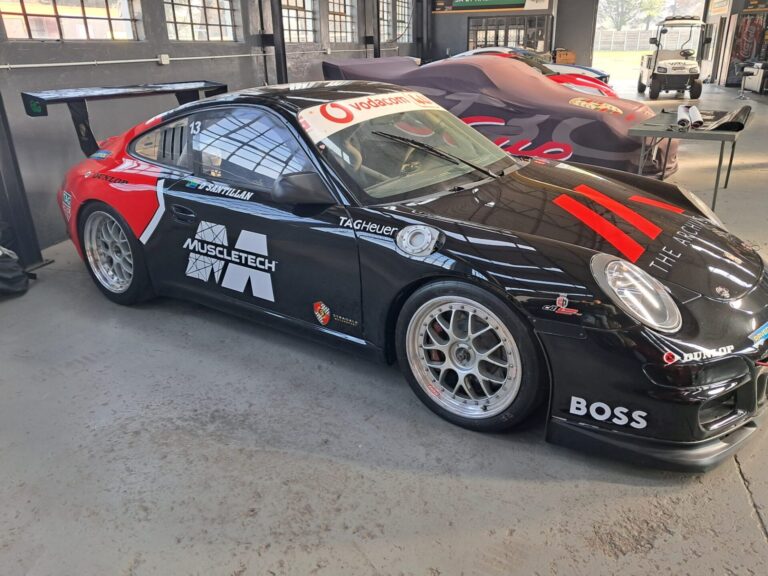
2007 Porsche GT3 Cup 997 Gen 1

Porsche 992 Gt3 Cup 2023
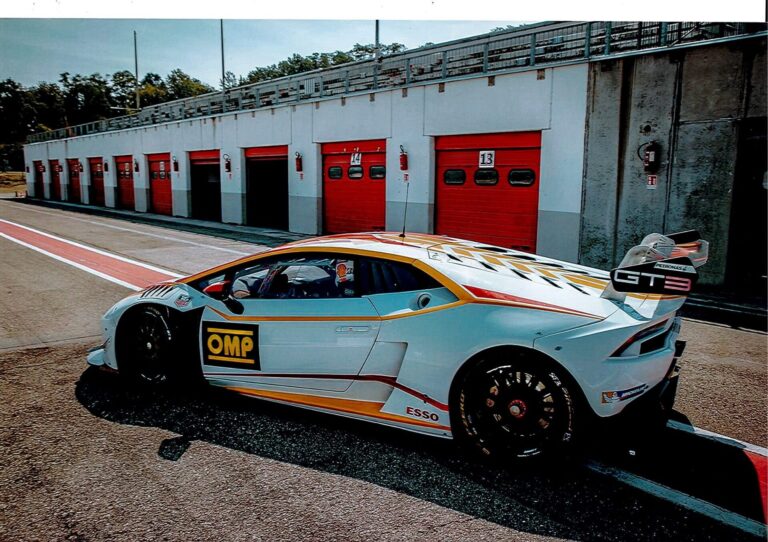
Lamborghini Huracan SuperTrofeo 2016

2020 Aston Martin Vantage GT4 17-A
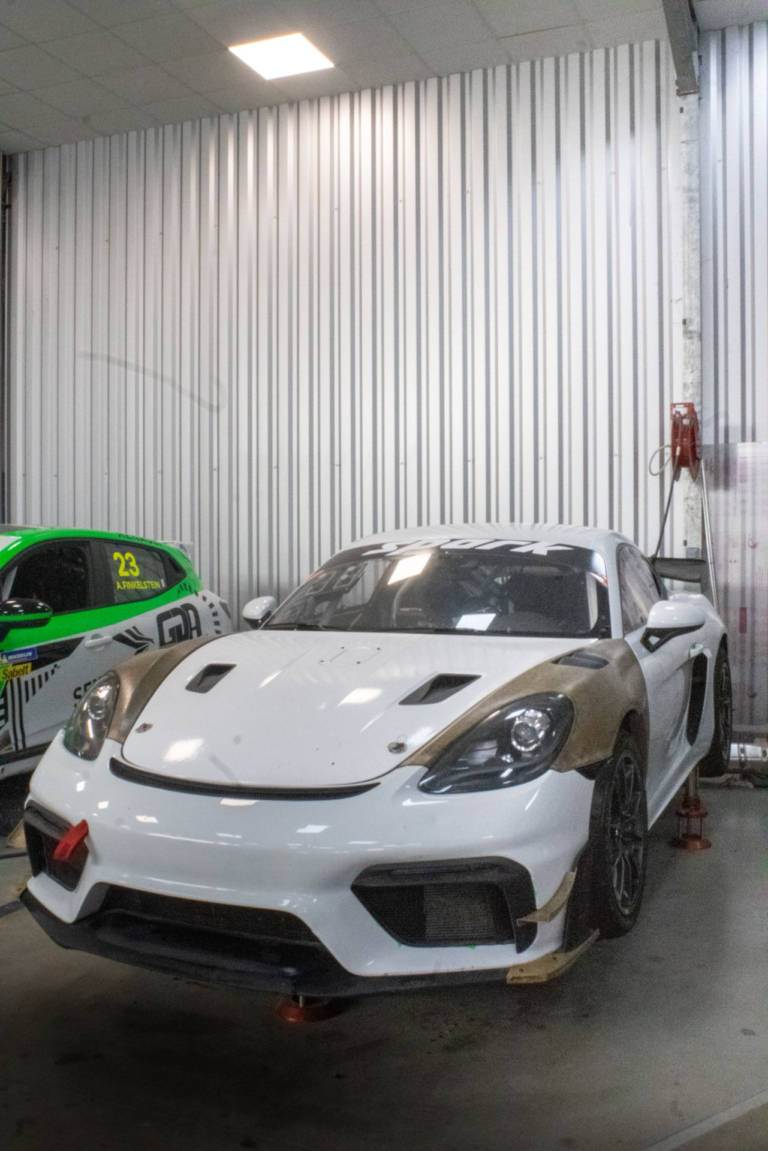
Porsche Cayman 718 RS CS