Porsche 911 (964) — competition family
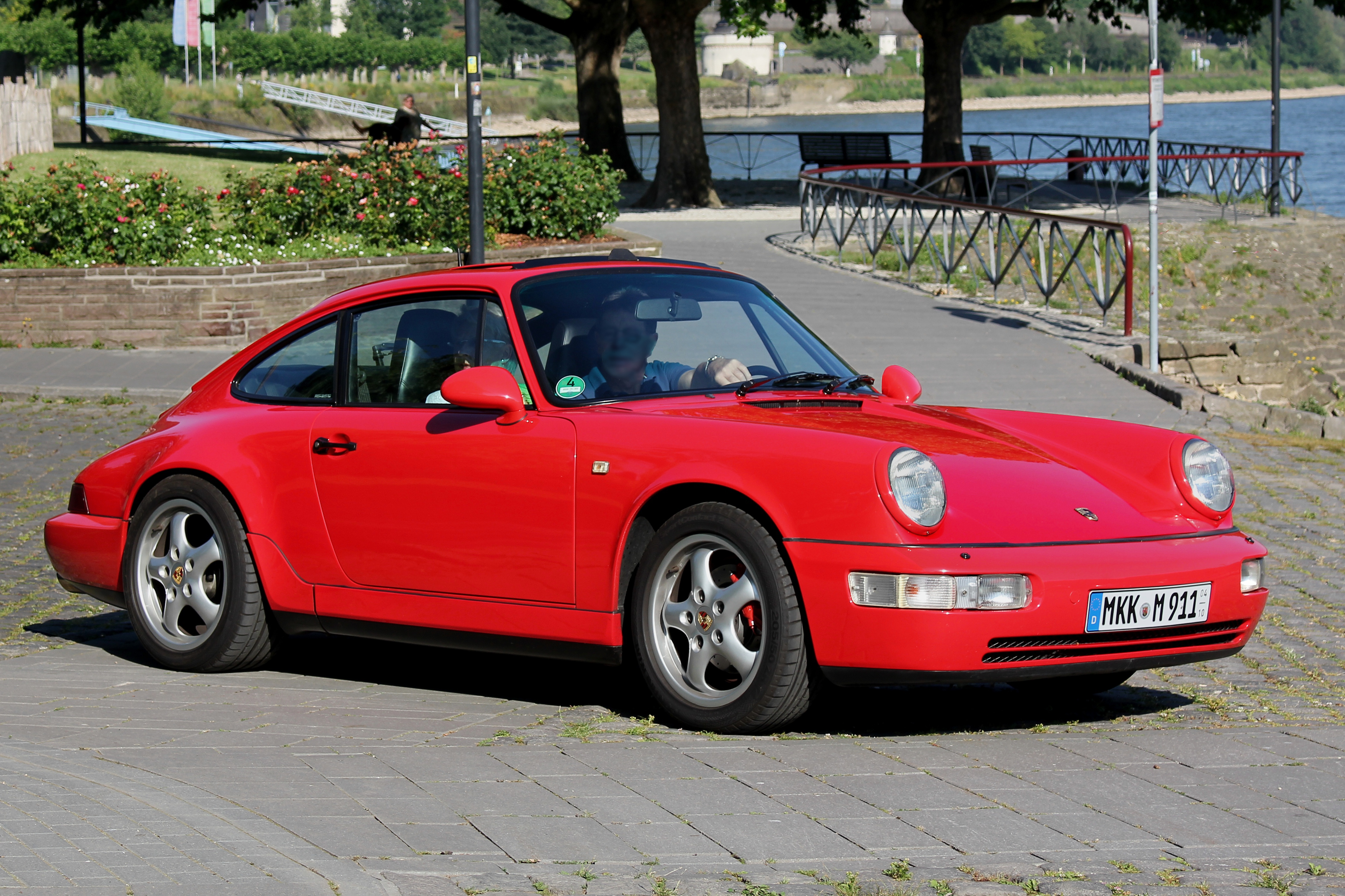
The 964 generation founded Porsche's modern customer-racing ladder: the first Carrera Cup cars, the Carrera RS N/GT club racers and the 3.8 RSR that won its class at Le Mans — today a blue-chip corner of the historic 911 market.
History
The 964 of 1989 modernized the 911 with coil springs, ABS and all-wheel-drive options — and became the platform on which Porsche industrialized customer racing. The 1990 Carrera Cup Deutschland fielded identical 964 Cup cars, inventing the one-make formula every Supercup grid since has followed; the lightweight Carrera RS of 1992 spawned N/GT club-racing versions; and the wide-body 1993 Carrera RSR 3.8 crowned the line as a genuine GT racer.
Competition results followed the ladder's logic: Cup racing produced the era's German touring-car names, RS N/GTs filled national GT grids, and the RSR 3.8 won the GT class at Le Mans in 1994 (Larbre), took Interserie and ADAC GT honours, and gave the customer base a car that could genuinely race factory opposition.
The collector market has since sorted the family into clear tiers: genuine RSR 3.8s (55 built) sit above seven figures; Carrera RS 3.8s and documented Cup cars with period racing history climb steadily; standard RS models anchor the air-cooled boom. On the marketplace the 964's breadth — Cup car, RS, club racer, backdate donor — makes it one of the most searched historic 911 generations.
Palmarès
Le Mans GT2 class winner 1994 (Carrera RSR 3.8, Larbre Compétition); Porsche Carrera Cup Deutschland champions 1990–1993 in 964 Cup cars; ADAC GT Cup and Interserie class wins; national GT and club championships across Europe with RS N/GT machinery — the record that validated Porsche's customer-ladder model.
What to check before you buy
The Kardex and Porsche's build records sort the tiers ruthlessly: genuine RSR 3.8 (M64/04 engine, factory wide-body — all 55 documented), Carrera RS 3.8, RS N/GT with period logbooks, Cup cars (verify Cup-specific chassis numbers; many were converted to road or track use), then modified road 964s. Check for the generation's known issues — cylinder-head sealing on early engines, corrosion at the front boot floor — and on race cars insist on period entry-list evidence: 964 'RSR tributes' outnumber real ones many times over. Matching numbers matter less on honest club racers, completely on RS/RSR collectibles.
Did you know
- The 1990 Carrera Cup was one-make racing's template: identical sealed cars, driver-swap prize tests — the formula Supercup still runs three decades later.
- Only 55 Carrera RSR 3.8s were built, each hand-finished at Weissach; period price was roughly double a road RS 3.8 — the gap today is several multiples.
- 964 Cup cars deemed obsolete in period were often converted back to road spec — reversing those conversions with documentation is now a specialist cottage industry.
In the marketplace now
View all →No exact Porsche 911 (964) — competition family listed right now — here is closely related machinery on the market.
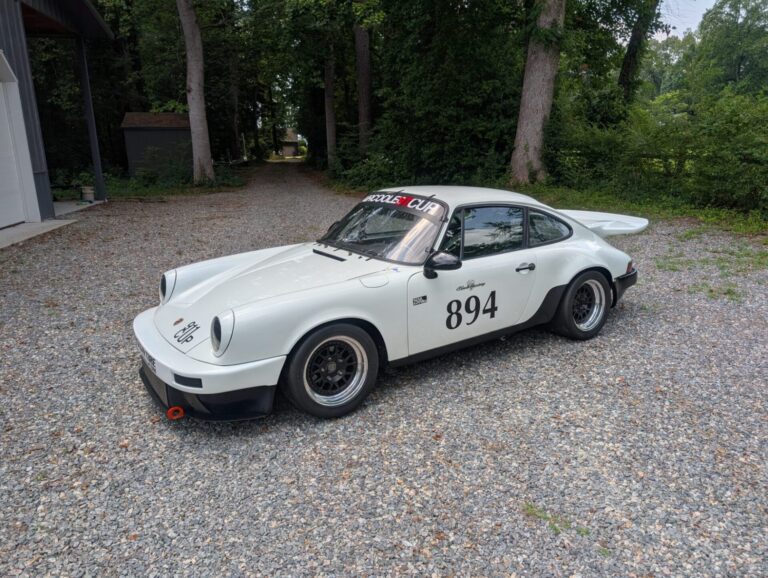
1987 Porsche 911 Racecar
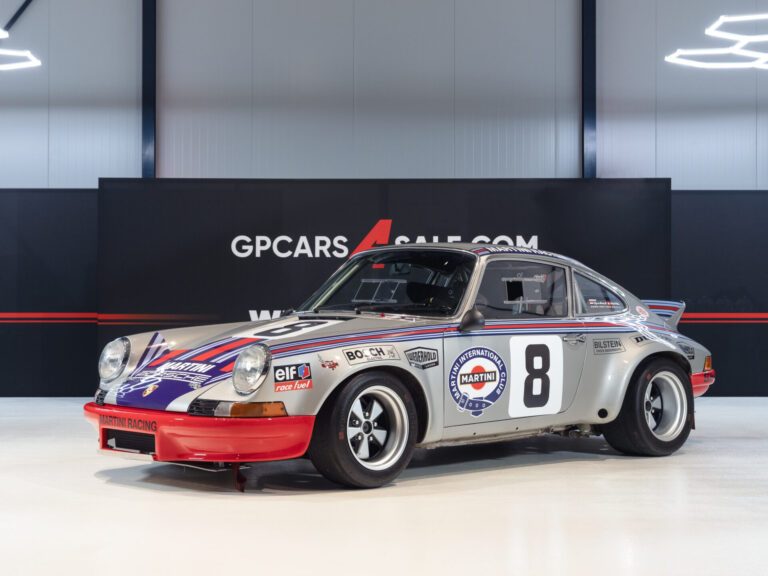
PORSCHE 911 RSR 2.8L TUTHILL TARGA FLORIO TRIBUTE
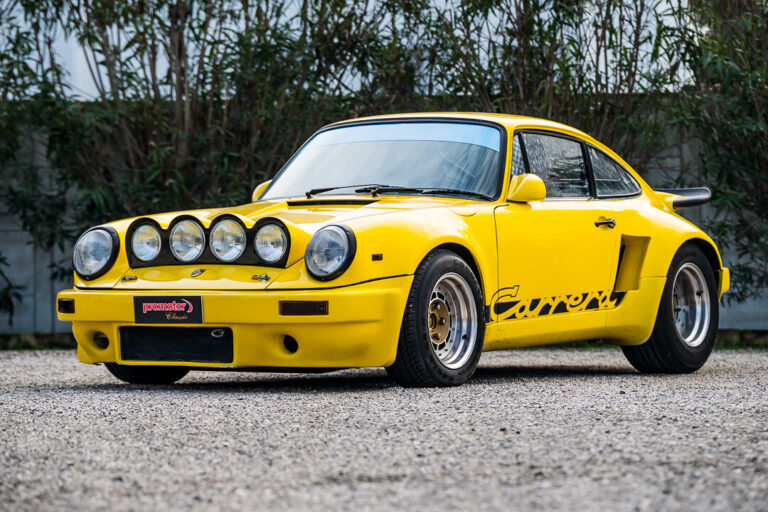
Porsche 911 2.4 “Oelklappe” RSR Tribute
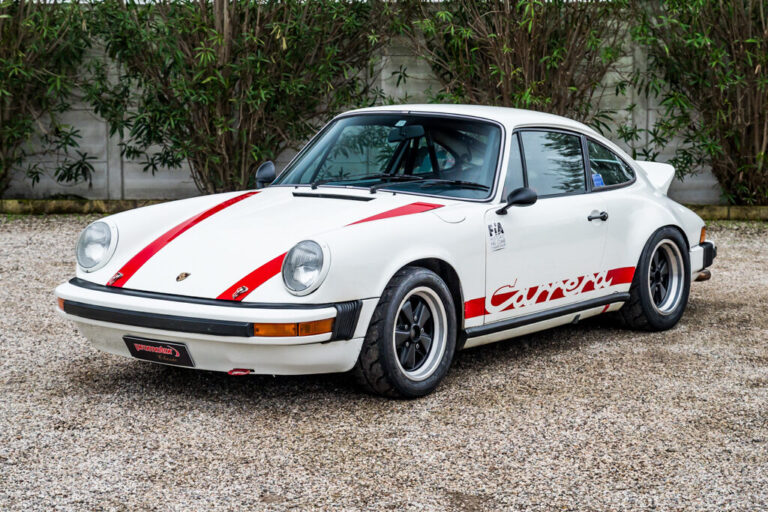
Porsche 911 Carrera 2.7 FIA Race Car Group 3
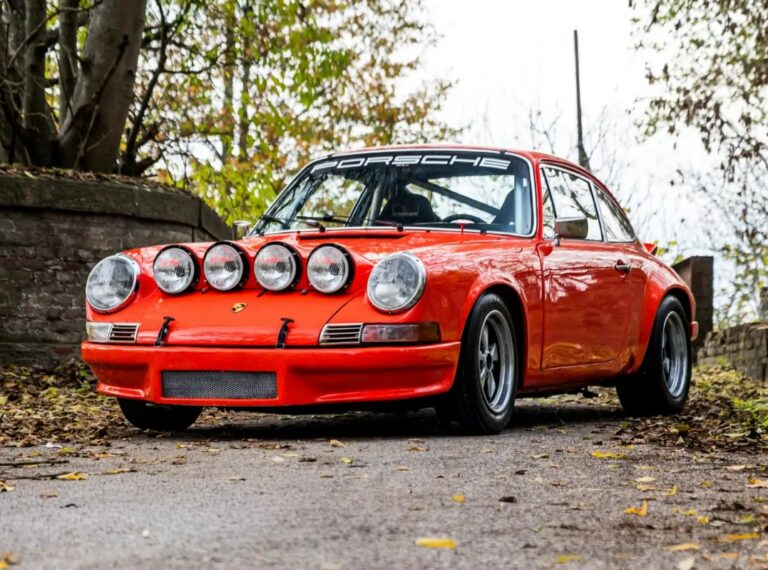
Porsche 911 2.4 T
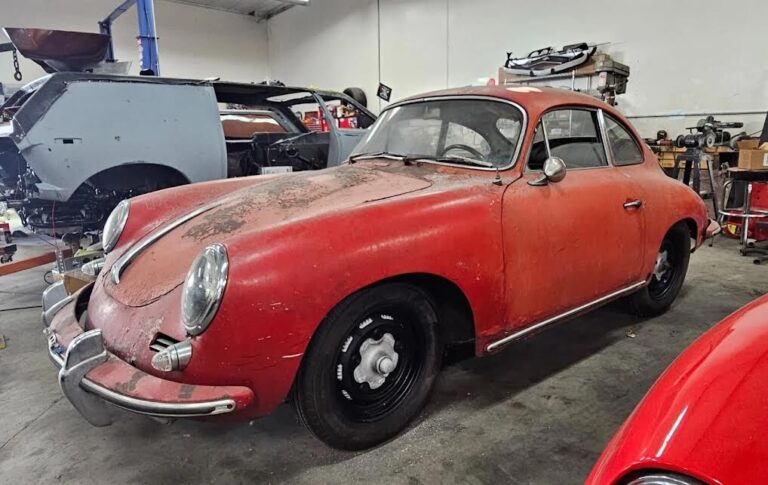
1962 Porsche 356
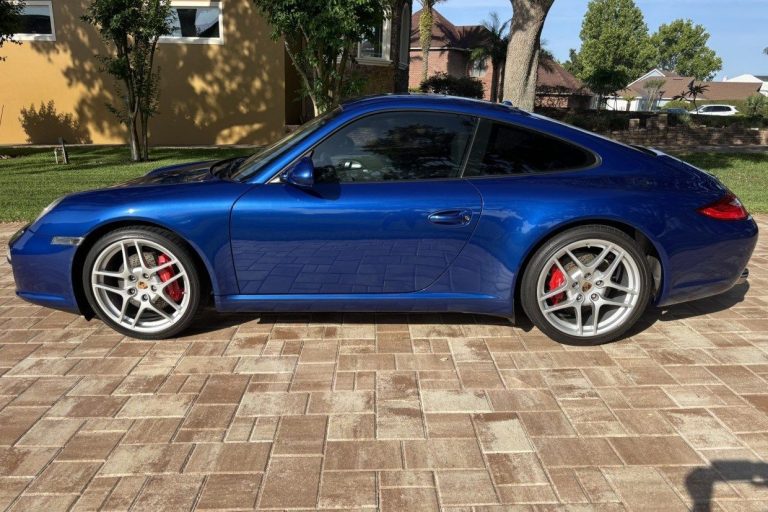
2012 Porsche 911 Carrera S Coupe 6-Speed
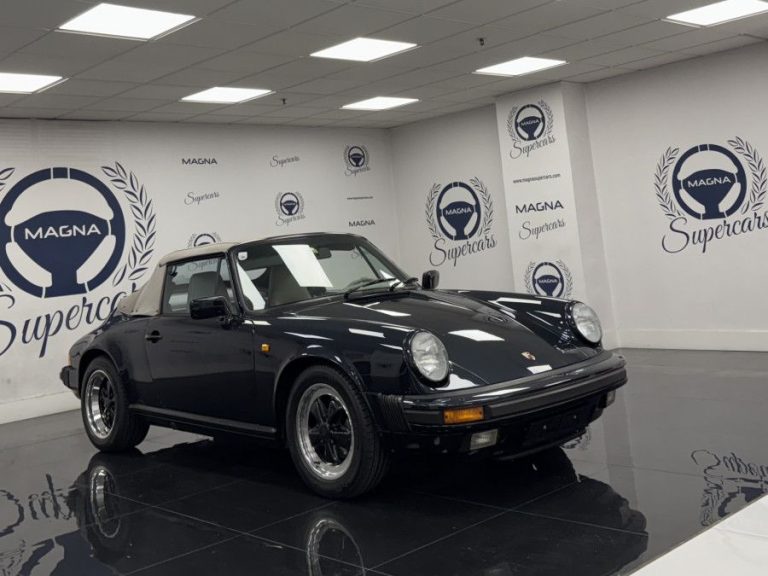
Porsche 911 3.2 Carrera 50th Anniversary
Parts, spares & upgrades
Browse parts →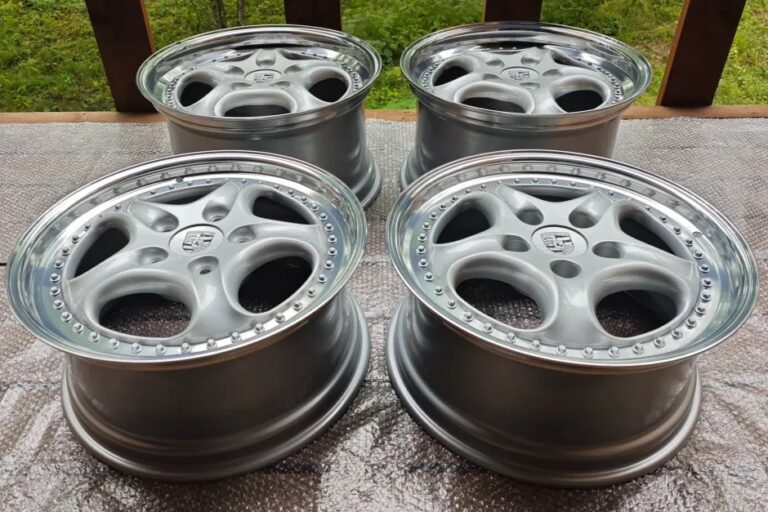
18×8.5″ and 18×10″ Porsche 993 Supercup Magnesium Wheels by Speedline
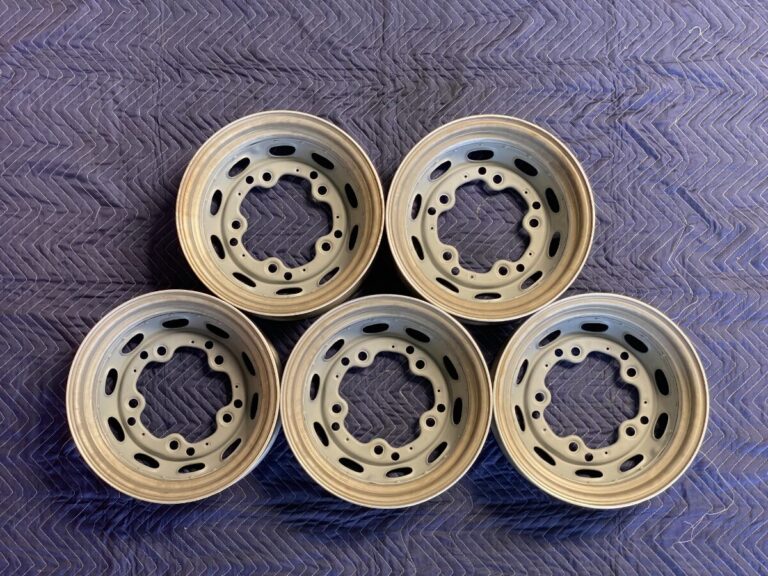
Alloy 15×4.5″ KPZ Wheels and GT-Spec Drum Brakes for Porsche 356
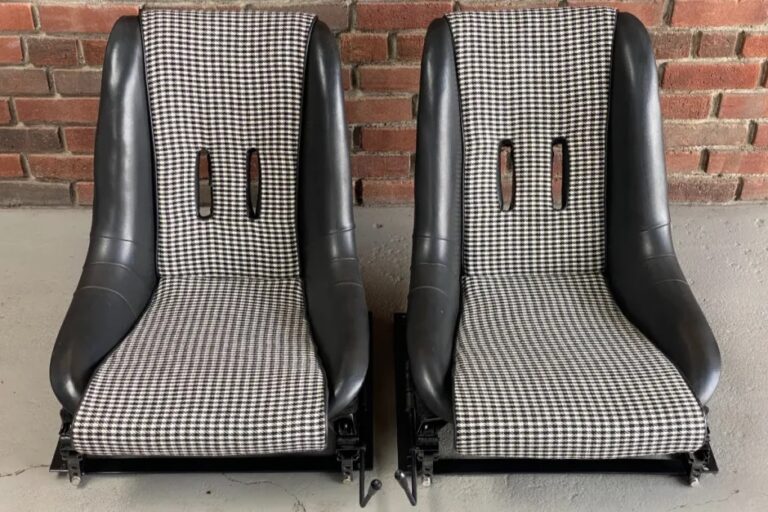
Porsche 911 Bucket Sport Seats