
Porsche 911 GT3 Cup (992)
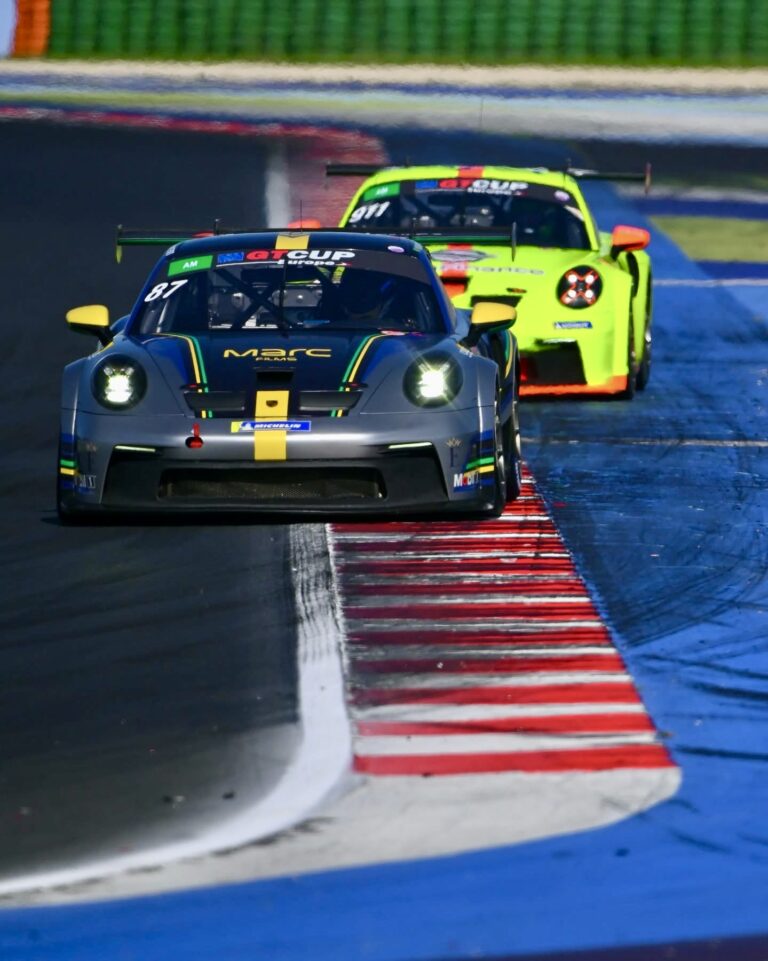
The 992-generation 911 GT3 Cup is the current backbone of one-make racing worldwide: the car of Porsche Mobil 1 Supercup and every national Carrera Cup. Launched for 2021, it is the first Cup car built on a wide-body Turbo shell and the most produced racing car of its era, with well over a thousand examples built in its first four seasons.
History
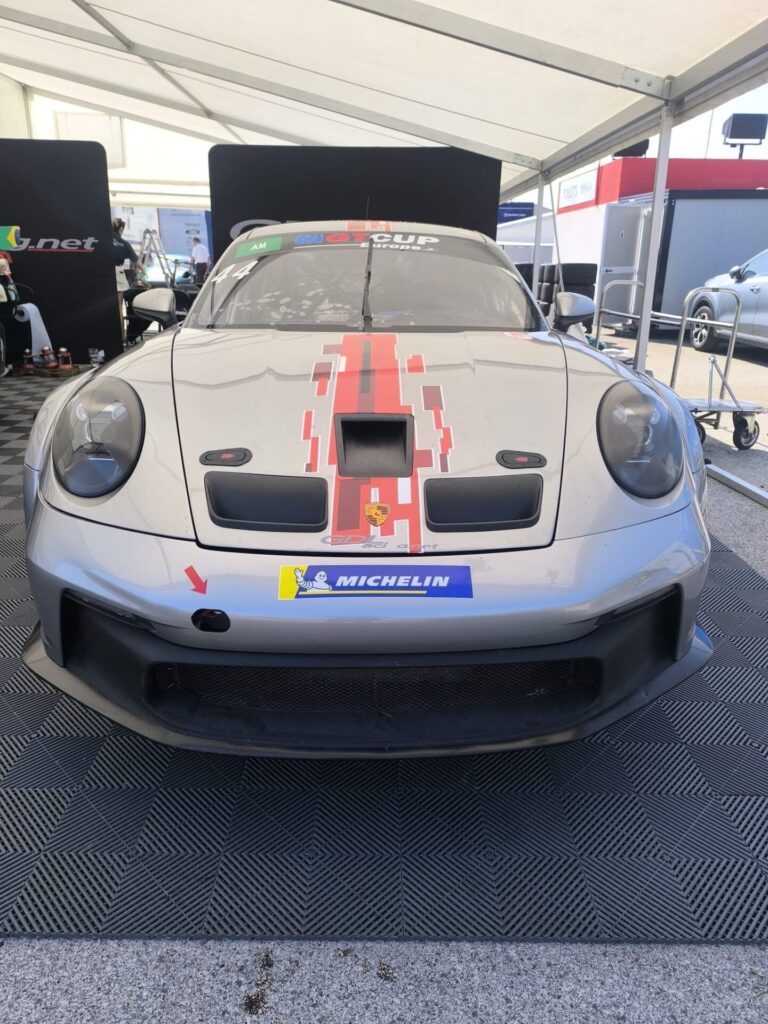
Porsche has built customer Cup cars continuously since the 964 Carrera Cup of 1990, and each generation has moved the one-make formula closer to full GT racing. The 992 Cup, revealed in late 2020, was the biggest step in years: for the first time the Cup car used the 1,920 mm Turbo bodyshell, gaining track width and aerodynamic real estate, with a swan-neck rear wing and a front end derived from GT racing practice rather than road-car parts.
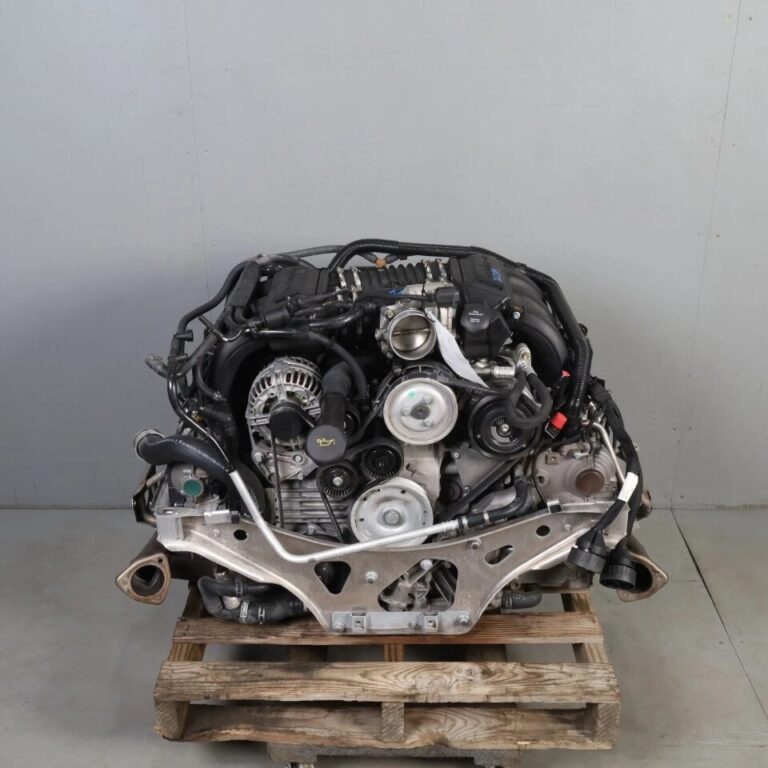
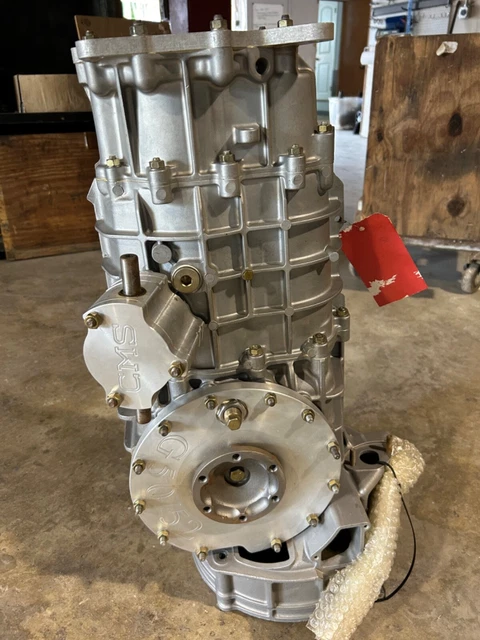
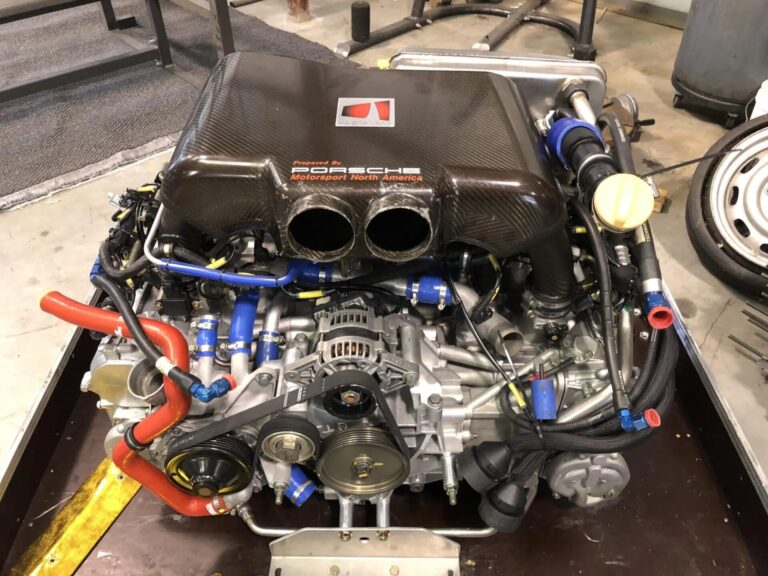
The 4.0-litre naturally aspirated flat-six is the point of the exercise — a direct descendant of the road GT3 engine, tuned to about 510 hp with single-mass flywheel and racing exhaust, driving through the proven six-speed sequential dog box with paddle shift. Steering is electromechanical for the first time in a Cup car, and the electronics package (configurable brake bias, data logging, marshalling systems) is standardized for cost control.
Production at Flacht runs in seasonal batches, and the car races in Supercup, Carrera Cup Deutschland, GB, France, Benelux, North America, Asia and Australia, plus the Cup classes of endurance series like the NLS and 24H Series. Because every season pushes a fresh batch of nearly identical cars onto the used market, the 992 Cup enjoys the most liquid and transparent price discovery in all of GT racing.
Palmarès
The model's palmares is structural rather than episodic: every Porsche Mobil 1 Supercup round since 2021, every national Carrera Cup title in that period, and the Cup-class wins at the Nürburgring 24 Hours and Dubai 24 Hour have been scored in 992 Cups. Champions who cut their teeth in the car — Supercup winners and Porsche Junior programme graduates — routinely graduate straight into factory GT3 and hypercar drives.
What to check before you buy
Buy on hours and provenance: engine life between factory refreshes is quoted around 100 hours with gearbox intervals close behind, so a car described as 'fresh' should come with Porsche Motorsport invoices proving it. Check the chassis for crash-tube replacements and verify the car's Supercup vs national-cup specification (aero and electronics differ slightly by season). Ex-Supercup cars have the hardest lives but the best documentation; end-of-season team sales are the classic buying window. Factor a spares package — wheels, bodywork, gear stacks — at real value, because list-price parts add up fast.
Did you know
- The 992 Cup has no road-car steering column: the electromechanical rack was developed specifically for racing and its calibration later informed the road GT3.
- Porsche builds each season's Supercup fleet in a single production block at Flacht, so every car on the grid is mechanically identical to the serial number before it.
- Supercup has run the car on synthetic eFuel as a pilot programme — the same fuel research Porsche conducts at Haru Oni in Chile.
In the marketplace now
View all →No exact Porsche 911 GT3 Cup (992) listed right now — here is closely related machinery on the market.