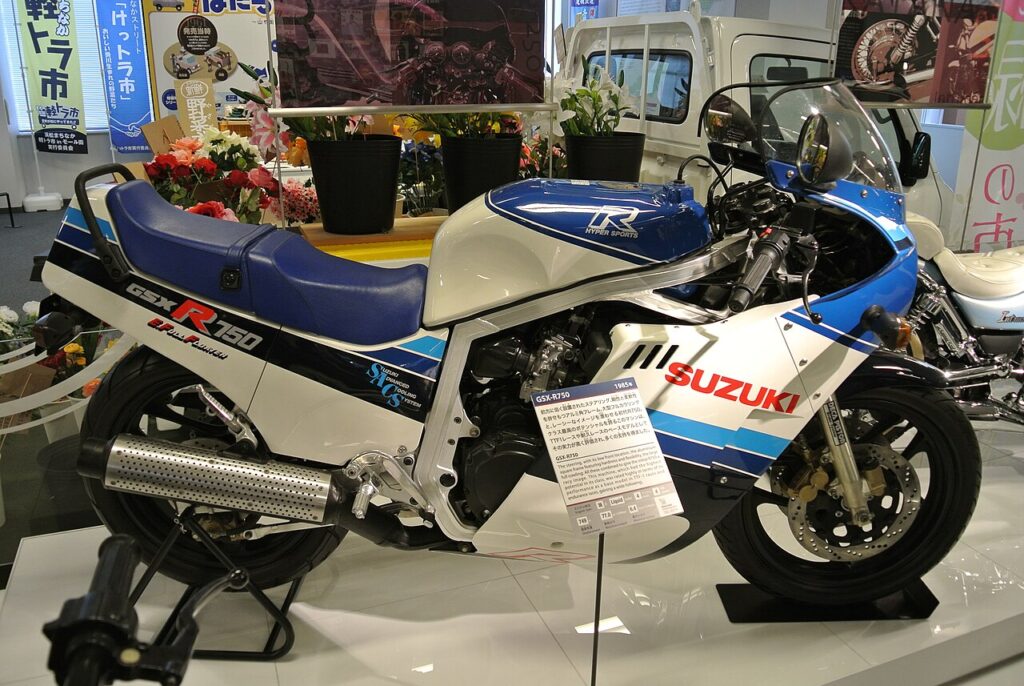
Suzuki GSX-R750 (race)
The GSX-R750 invented the race-replica category in 1985 — an oil-cooled, aluminium-framed 750 that was effectively an endurance racer with lights — and its racing descendants collected superbike titles and endurance classics for two decades.
History
Suzuki's 1985 GSX-R750 changed motorcycling's economics: built to the philosophy of its works GS1000R endurance racer — aluminium cradle frame, flat-slide carbs, oil-cooled engine, 176 kg dry — it handed the public a genuine racing platform at mass-production prices. The 'slabside' immediately filled grids: production classes, F1/superbike nationals, and the great endurance races where Suzuki's works GSX-R7s (Yoshimura-tuned) fought factory Hondas.
Racing success tracked each generation: slabside and slingshot 750s won Le Mans and Bol d'Or 24-hour races and AMA Superbike battles; the fuel-injected SRAD era (1996) brought Suzuki back to the front of superbike racing worldwide; and the 2000s GSX-R750/1000 platform culminated in Mat Mladin's and Ben Spies' seven consecutive AMA Superbike titles (2003–2009) plus Kevin Schwantz-lineage grand prix glory feeding the brand's racing identity.
As 750s left world championship classes, the GSX-R750 became the classic-racing sweet spot: eligible and dominant in period superbike/Formula 750 revival grids, supported by Yoshimura-tradition tuners, and — uniquely — still in production essentially unchanged for years, making parts economics friendlier than any rival's.
Palmarès
Endurance World Championship wins including Le Mans and Bol d'Or 24 Hours (1980s works/SERT lineage); AMA Superbike dynasties (Mladin's six titles, Spies' three, on GSX-R platform machinery); BSB and national superbike titles; production-class domination from the slabside era; and the modern classic-racing record where period GSX-Rs headline forgotten-era grids.
What to check before you buy
For period race bikes, provenance through team documentation (SERT, Yoshimura, national squads) transforms value — replicas of famous endurance bikes are common, so entry lists and photos decide. Slabside/slingshot engines are robust but 40-year-old race units need full inspection: cam-chain tunnels, oil-cooler condition, crank truing history. Verify frame straightness (period crash repairs were casual) and originality of race bodywork. Classic-eligibility rules reward correct-period parts — an over-modernized bike loses both class and value. For SRAD and later race bikes, kit electronics and cartridge-fork provenance drive the price; for slabsides, honest patina with a documented rebuild now outsells over-restored show bikes among serious classic-racing buyers.
Did you know
- The 1985 GSX-R750 weighed 20+ kg less than every rival 750 — journalists initially assumed the claimed dry weight was a misprint.
- Yoshimura's relationship with the GSX-R spans the model's entire life — the same tuning house that raced the 1985 original develops today's parts.
- GSX-R750 production has run continuously since 1985 — the longest unbroken race-replica lineage in motorcycling.
In the marketplace now
View all →No exact Suzuki GSX-R750 (race) listed right now — here is closely related machinery on the market.
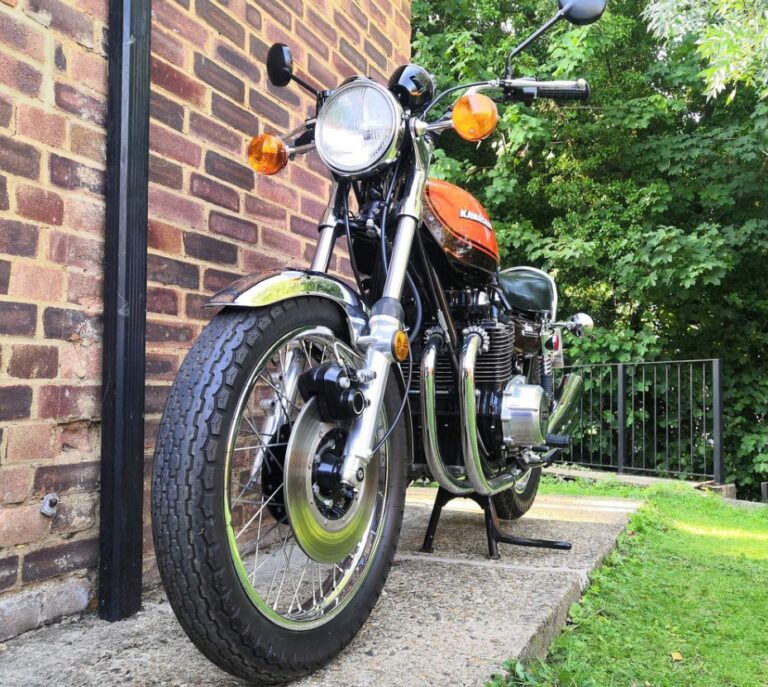
Kawasaki Z1 900 1972 super four
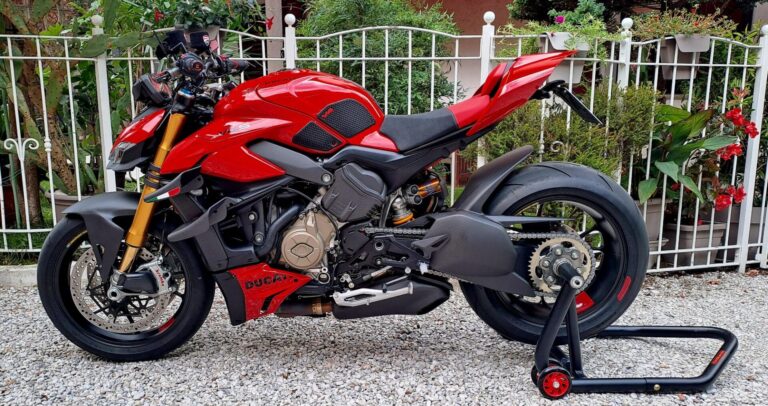
Ducati Streetfighter V4S MY24
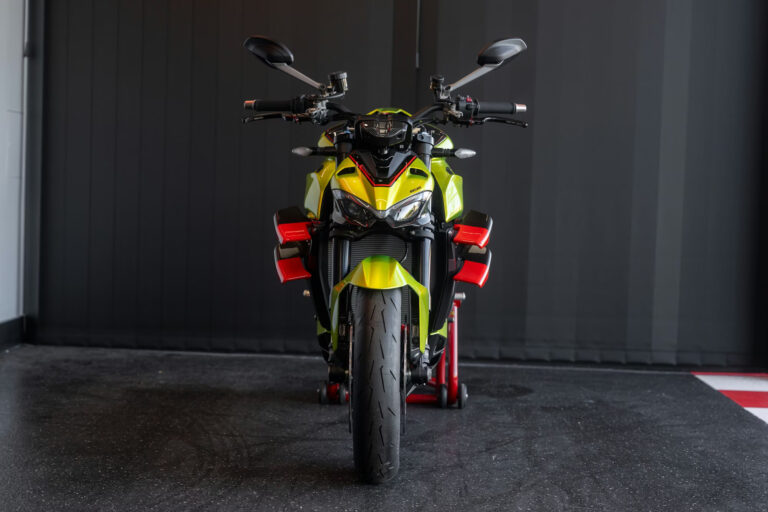
2023 Ducati Streetfighter V4 ‘Lamborghini’
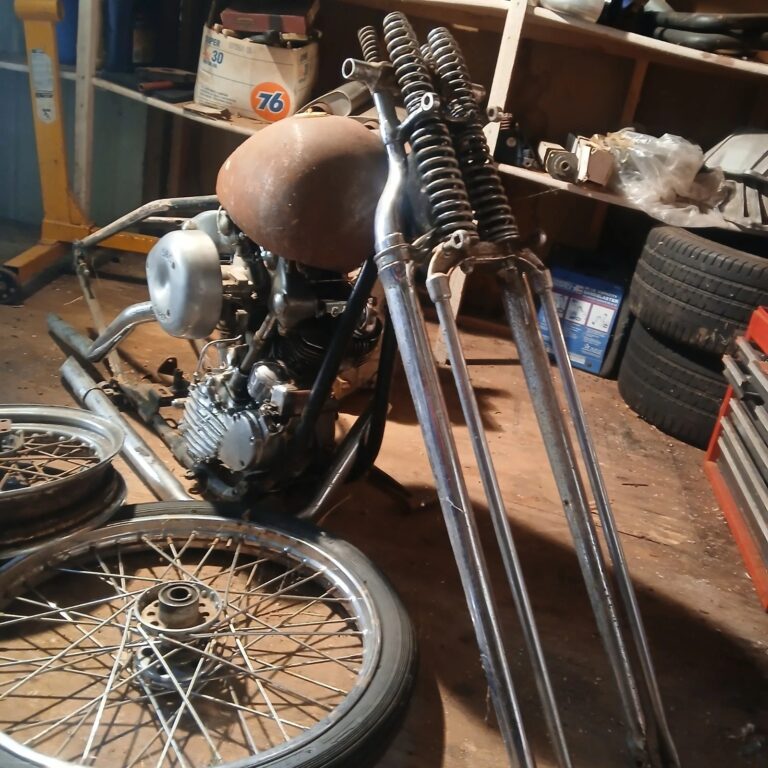
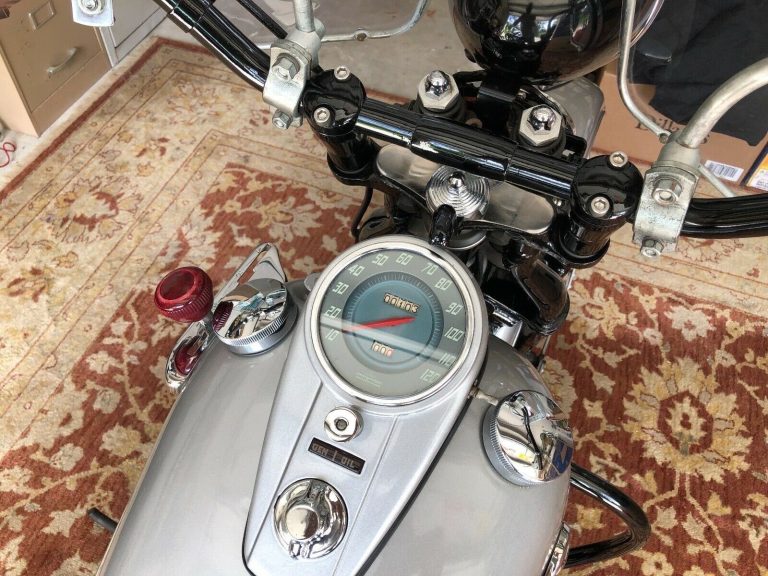
Harley Davidson 1947 Knucklehead

1978 Ducati

1976 Kawasaki Other

2015 Ducati Street Fighter