
Jaguar D-Type
The D-Type won Le Mans three consecutive times (1955–1957) with aviation-derived monocoque construction and the immortal tail fin — one of the most beautiful and valuable competition cars ever made, and the pinnacle of Britain's 1950s racing craft.
History
Malcolm Sayer, ex-Bristol Aeroplane, applied aircraft thinking to Jaguar's Le Mans programme: the D-Type's central magnesium-alloy monocoque tub carried a front subframe for the XK straight-six, while his mathematically-derived body — and that stabilizing fin — let 250 hp reach over 170 mph on the Mulsanne. Disc brakes, proven on the C-Type, completed a package years ahead of its rivals' spaceframes.
Works cars won Le Mans 1955 (the tragedy-shadowed race) with Hawthorn/Bueb; after Jaguar's withdrawal, the Edinburgh privateers of Ecurie Ecosse won in 1956, then led a stunning 1957 result — D-Types finishing 1st, 2nd, 3rd, 4th and 6th, the most complete domination of the race by one model until the 917 era.
Production ran to roughly 75 cars including customer 'production' examples; 16 unsold chassis became XKSS road cars before the 1957 Browns Lane fire destroyed the remainder (Jaguar Classic completed the 'missing' XKSS and D continuation runs six decades later). Originals with works or Ecosse history top the British collector market — the 1956 winner's £21.7M sale set the record for any British car — while continuations and quality toolroom copies keep the shape racing at Le Mans Classic and Mille Miglia-era events.
Palmarès
Le Mans overall winner 1955, 1956, 1957 — with 1957's 1-2-3-4-6 sweep; Sebring 12 Hours winner 1955; Reims 12 Hours and countless national sports car victories; plus the XKSS/D family's enduring headline results throughout five decades of historic racing.
What to check before you buy
Chassis identity first: original works/customer car, period rebuild, Jaguar Classic continuation, or replica — four distinct markets. The registries document every original tub, including the many period crashes and rebuilds; monocoque originality percentage is the core negotiation, with matching engines secondary. Beware 'bitsa' cars assembled around genuine components — legitimate at their price, ruinous at original money. Continuations trade on completeness of Jaguar Classic documentation; toolroom cars on builder reputation and FIA papers.
Did you know
- Sayer calculated the D-Type's curves with logarithmic formulas rather than styling sketches — he insisted he was an aerodynamicist, never a designer.
- Ecurie Ecosse's 1957 sweep was achieved by a team whose Edinburgh 'factory' was a converted stable mews — privateering's greatest single result.
- The 2016 sale of the 1956 Le Mans winner (XKD 501) at $21.7M made it the most expensive British car ever auctioned — a record it held for years.
In the marketplace now
View all →No exact Jaguar D-Type listed right now — here is closely related machinery on the market.
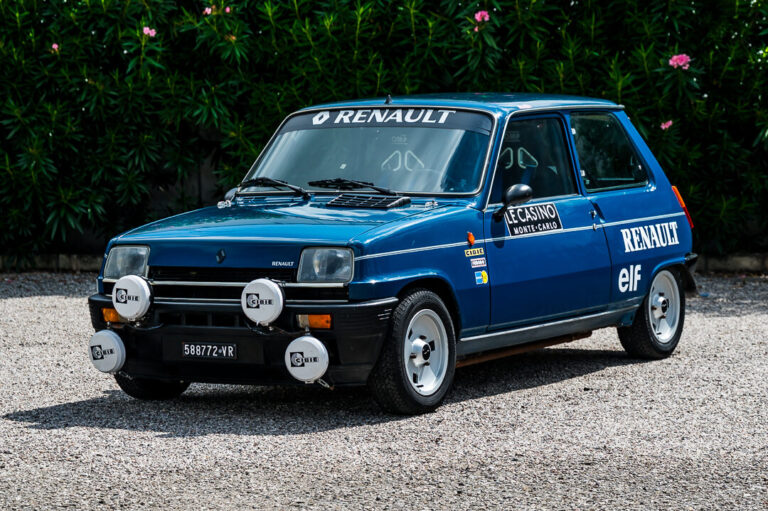
Renault 5 LS Montecarlo Gr. 1
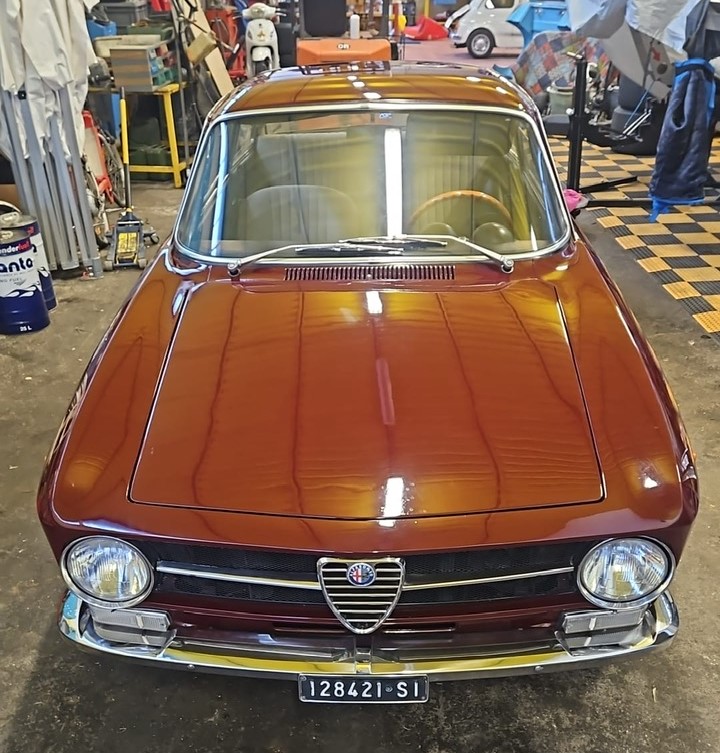
Alfa Romeo GT Junior 1.6 ASI 1972
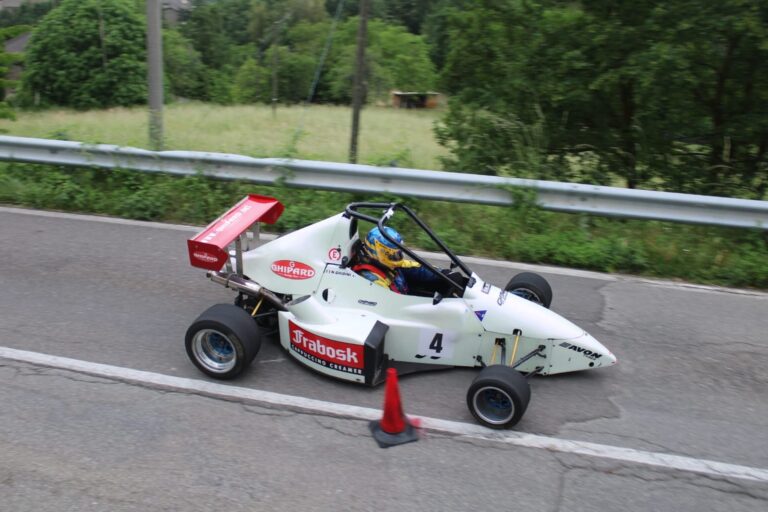
Formula Ghipard 1000 Suzuki K5
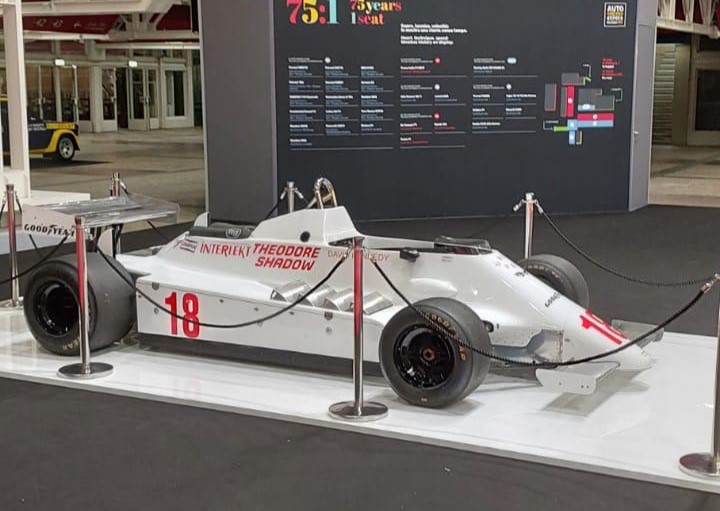
Formula 1 Shadow DN12 Cosworth DFV ex David kennedy
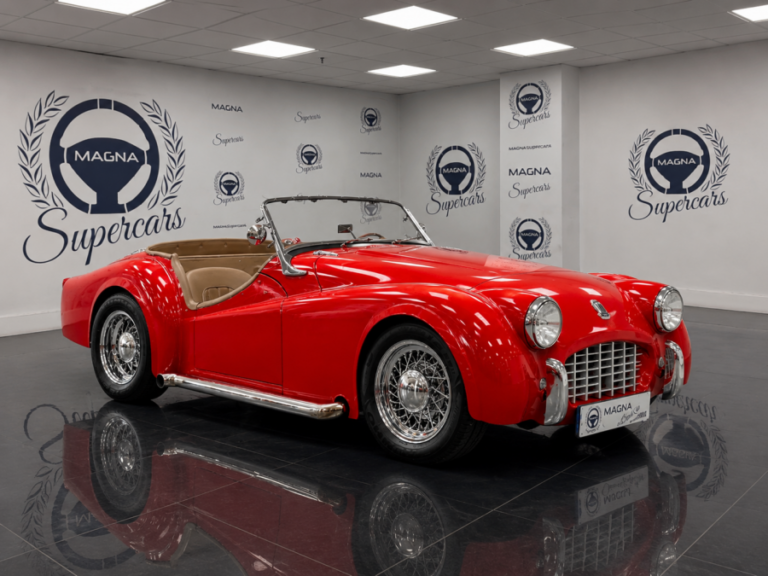
Triumph TR3
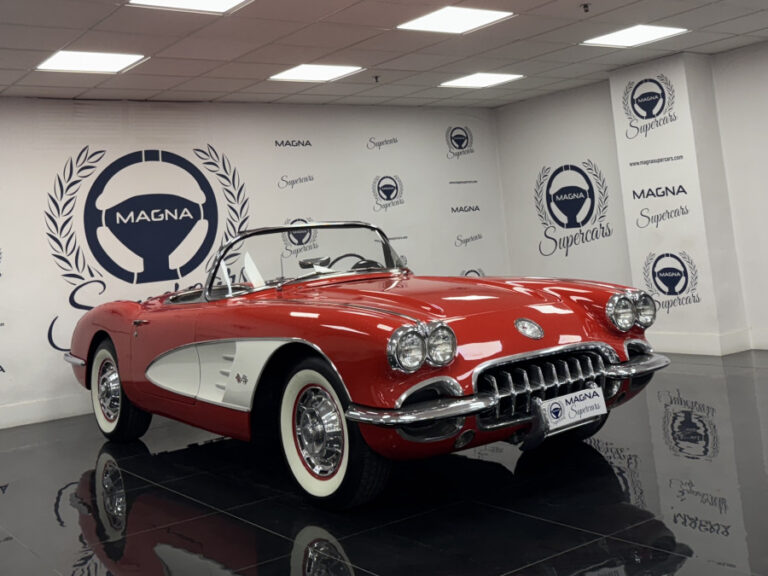
Chevrolet Corvette C1 Cabrio 1960
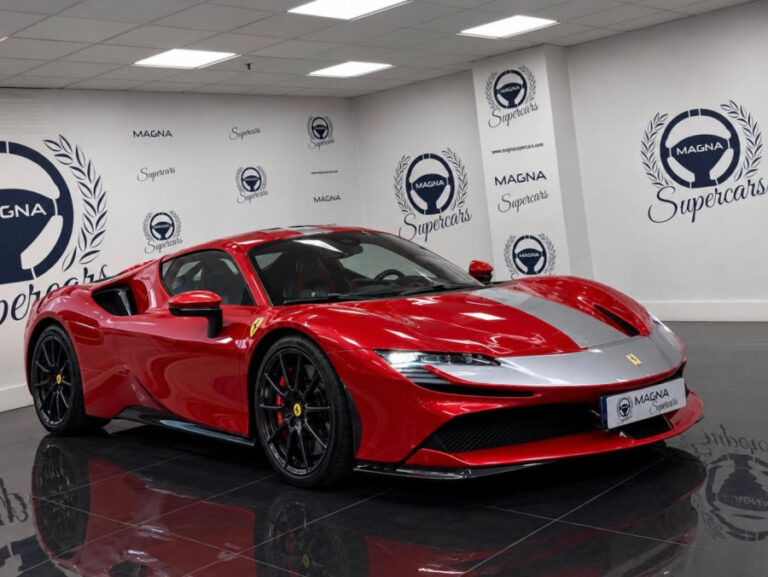
Ferrari SF90 Stradale Assetto Fiorano
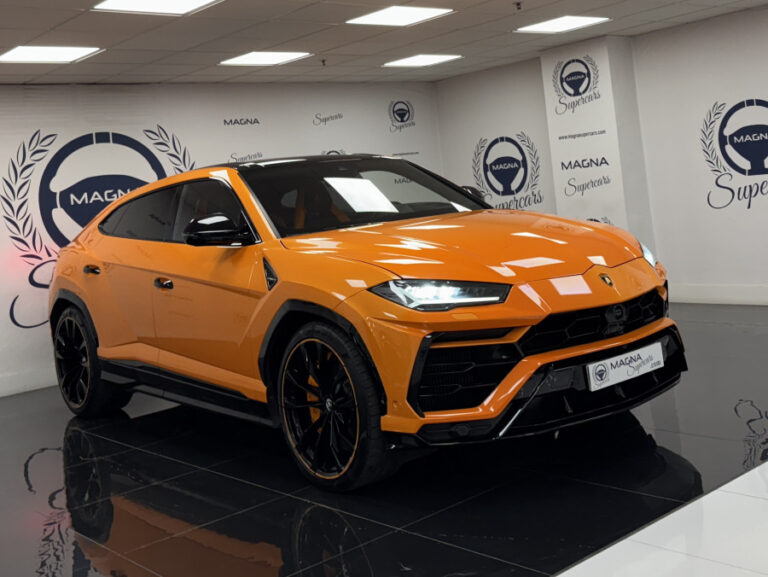
Lamborghini Urus 4.0 V8 650HP
Parts, spares & upgrades
Browse parts →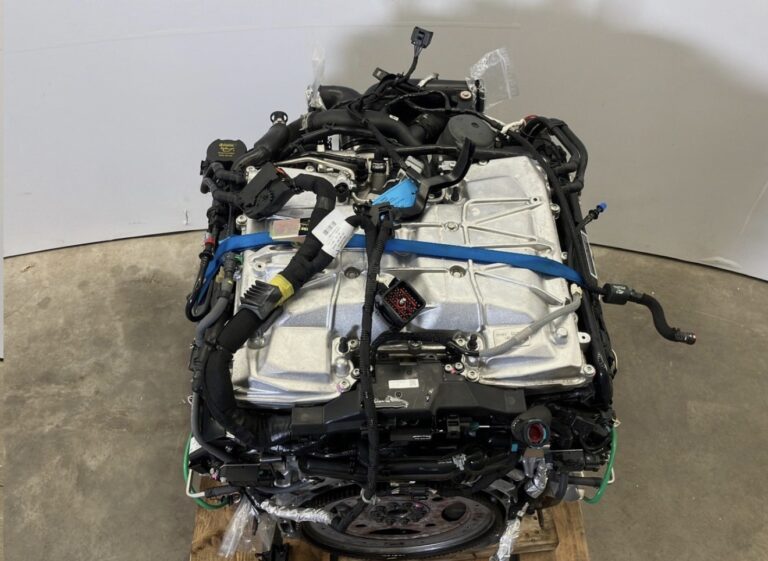
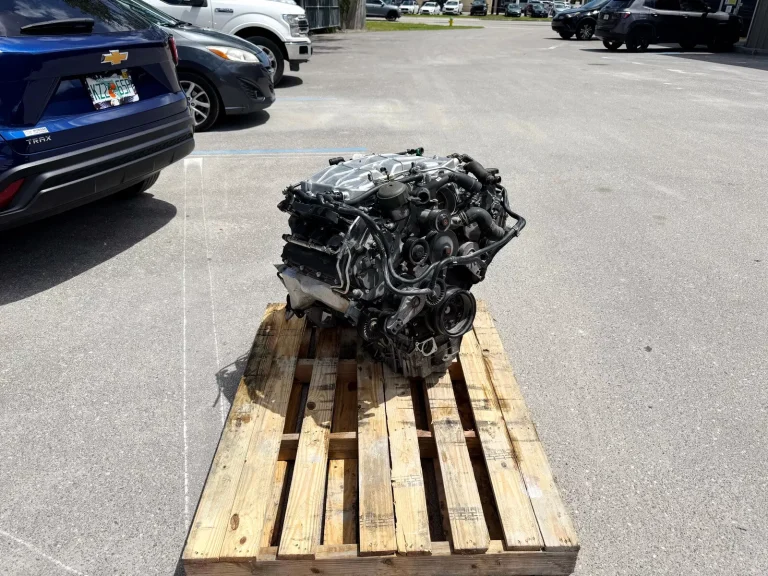
AJ133 Complete Engine Engine JAGUAR F-Type Coupe (X152) 5.0 SVR 423 kW 5
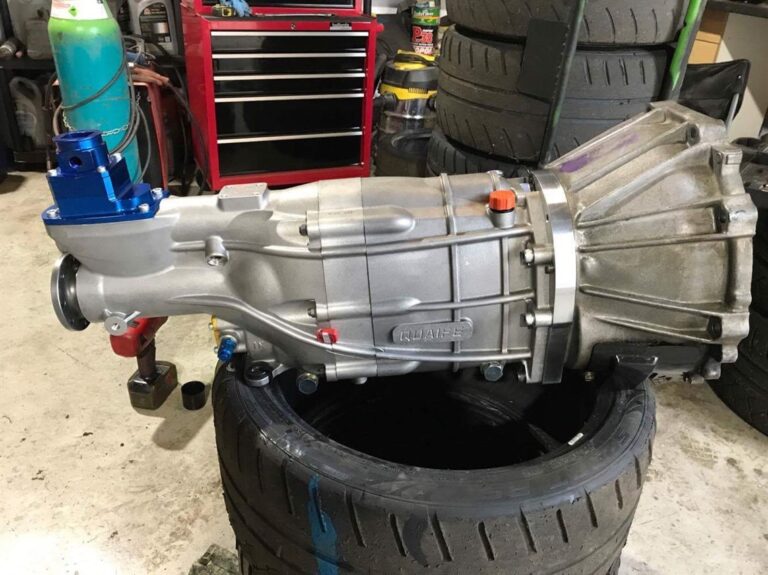
Jaguar 4 speed
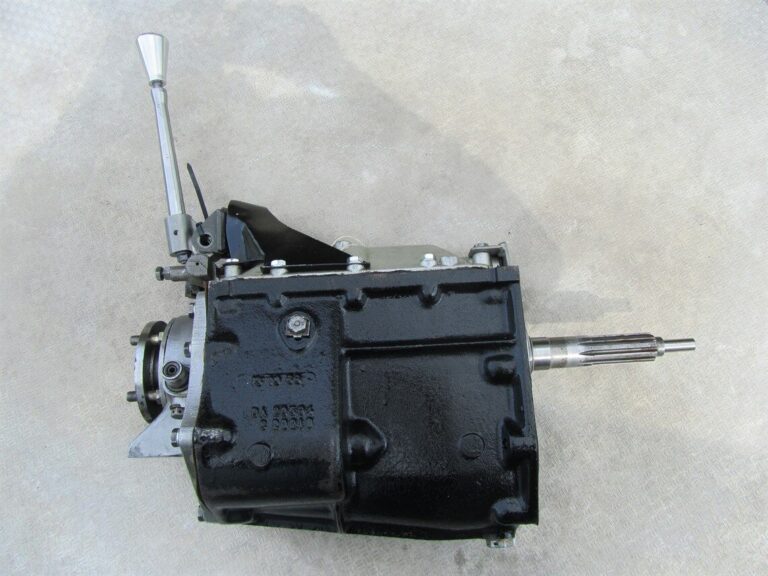
Jaguar 4 speed ‘straight cut’ race gearbox