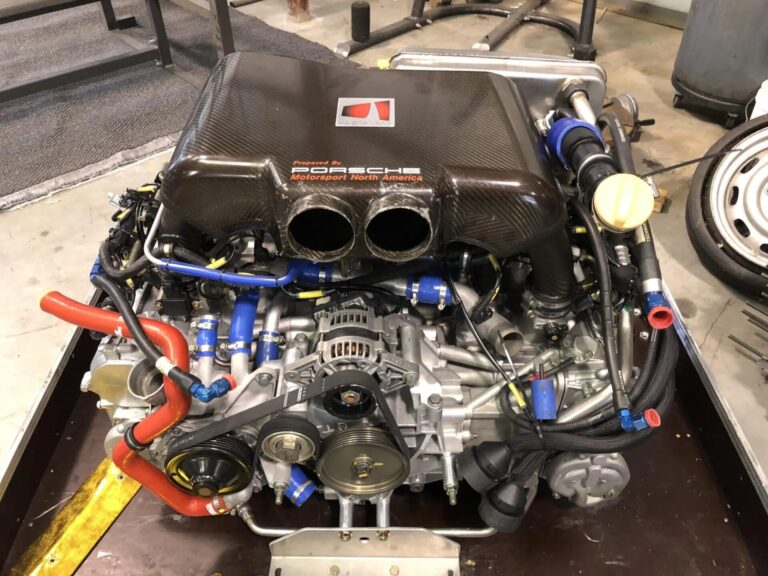

Porsche 356 (historic race)
The racing 356 is where Porsche's competition religion began: class wins from Le Mans 1951 onward, the Carrera four-cam's giant-killing 1950s, and today a historic-racing staple from Mille Miglia retrospectives to Goodwood grids.
History
Porsche's first production car raced from its infancy: the aluminium Gmünd coupés took the 1,100cc class at Le Mans 1951 on the marque's debut, and through pre-A, A, B and C generations the 356 built the customer-competition culture Porsche never abandoned — pushrod cars winning classes everywhere, while the Fuhrmann four-cam Carrera versions (550-derived engines in road shells) attacked outright honours in rallies, the Tour de France Automobile and endurance classics.
The competition record is a mosaic by design: class wins at Le Mans, Sebring and the Mille Miglia, European rally championships, SCCA production titles in America — thousands of privateer results that made 'giant-killer' Porsche's founding identity before the 911 inherited everything.
Historic motorsport now runs on that breadth: 356s are welcome at essentially every pre-66 event on earth — Mille Miglia, Goodwood, Le Mans Classic, Appendix K racing, historic rallying — making them among the most usable blue-chip historics. The market tiers by body/engine rarity: Gmünd and four-cam Carreras at the summit, honest pushrod race-prepared cars the accessible core.
Palmarès
Le Mans class winner 1951 (marque debut) and repeatedly through the 1950s; Mille Miglia and Targa Florio class honours; European Rally Championship success (1950s Carrera era); Sebring class wins; SCCA production championships across US regions — the thousand-result foundation of Porsche's competition identity.
What to check before you buy
Specification honesty tiers the market: matching-numbers collector cars, period-race-history cars (entry lists and photos prove it), and race-prepared drivers built for Appendix K/rally use — each legitimate, priced differently. Four-cam Carrera engines are their own economy (rebuilds by a handful of specialists at five figures-plus); pushrod cars are the usable value. Check floorpan and battery-box corrosion forensically, body originality (Reutter/Gmünd details documented), and HTP/event-acceptance papers for your intended use — Mille Miglia eligibility alone moves prices. The 356 registries and Porsche's Kardex settle identity questions.
Did you know
- Porsche's 1951 Le Mans class win came with a 46 hp aluminium coupé — the first entry of the marque that now owns the race's history books.
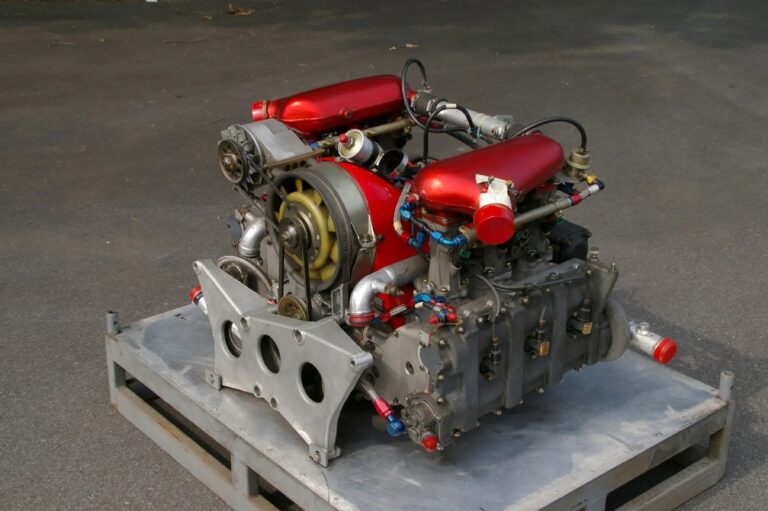
- Four-cam Carrera engines took specialists a reputed 120 hours to assemble — 1950s exotica priced accordingly ever since.
- 356s remain eligible for more major historic events than almost any car made — collectors call them the passport, not the car.
In the marketplace now
View all →No exact Porsche 356 (historic race) listed right now — here is closely related machinery on the market.
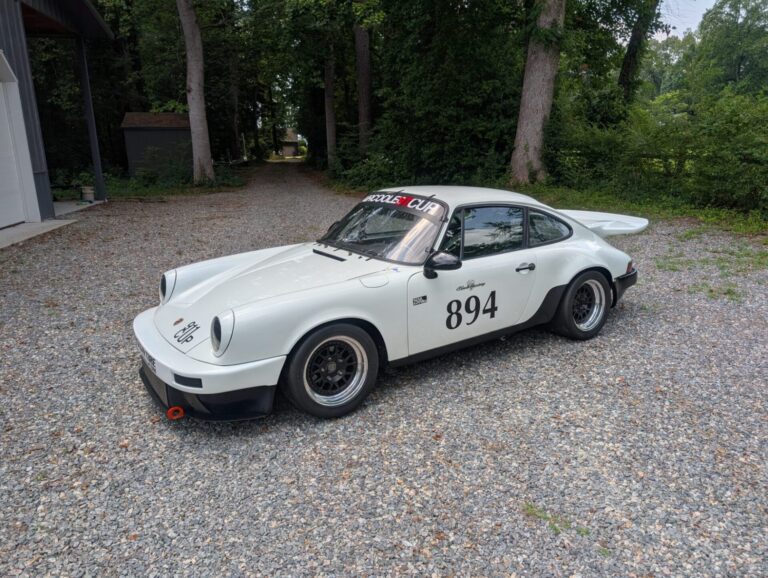
1987 Porsche 911 Racecar
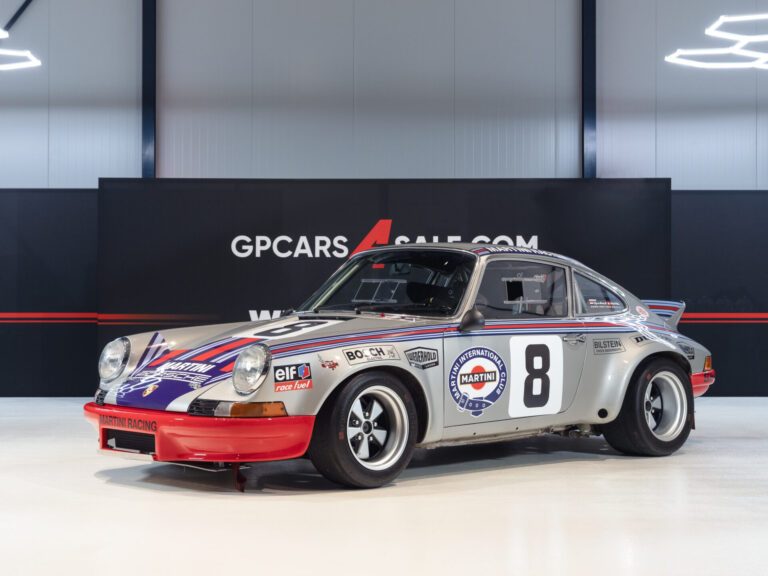
PORSCHE 911 RSR 2.8L TUTHILL TARGA FLORIO TRIBUTE
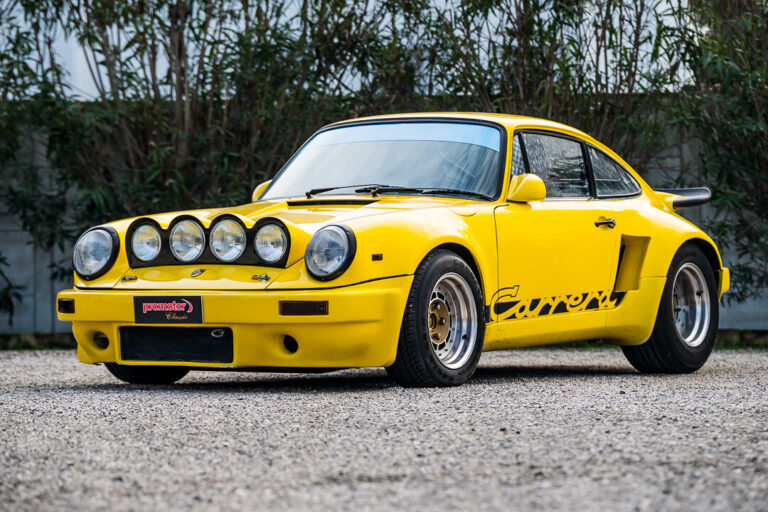
Porsche 911 2.4 “Oelklappe” RSR Tribute
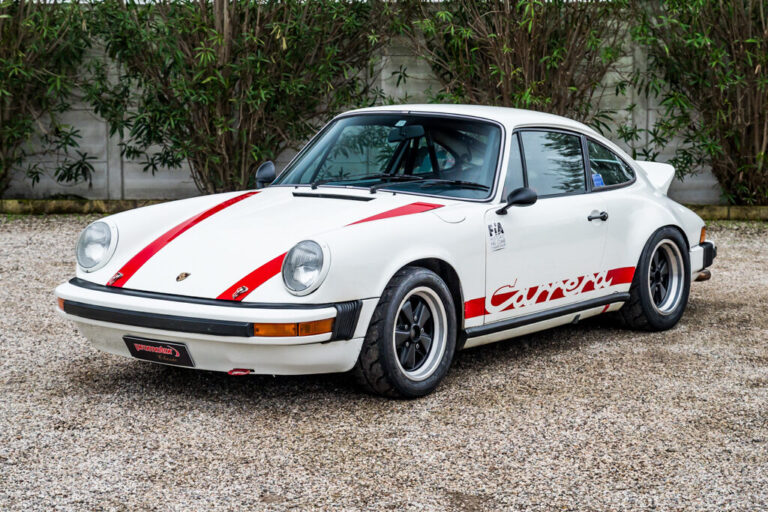
Porsche 911 Carrera 2.7 FIA Race Car Group 3
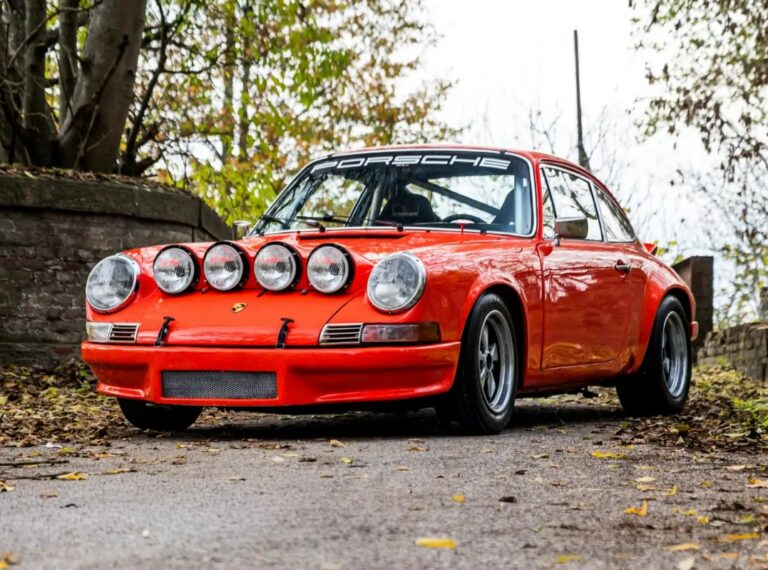
Porsche 911 2.4 T
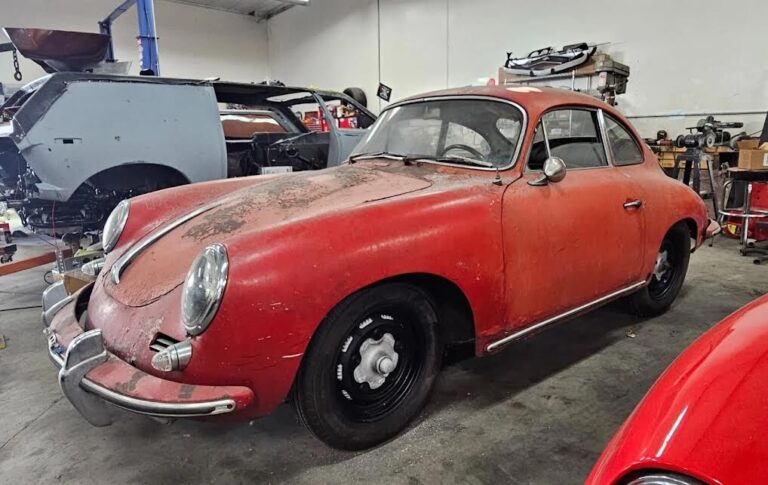
1962 Porsche 356
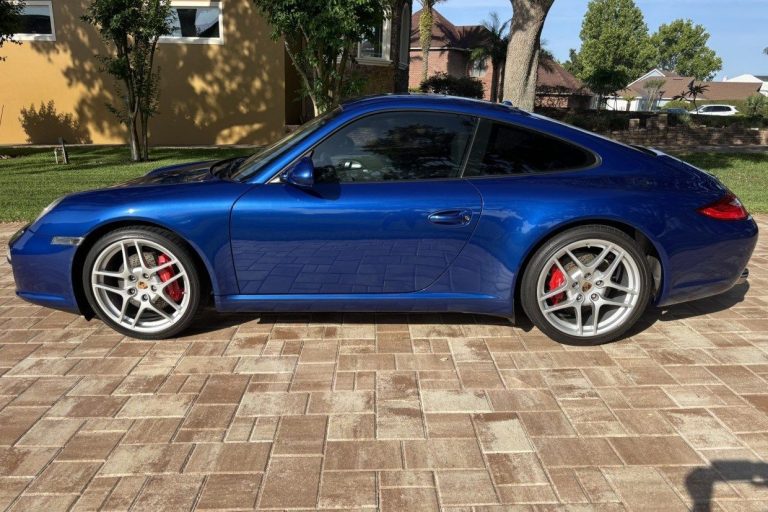
2012 Porsche 911 Carrera S Coupe 6-Speed