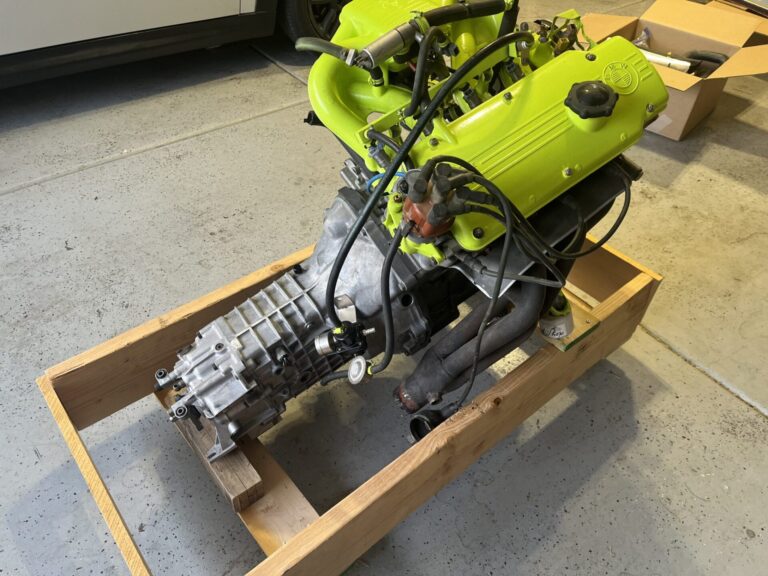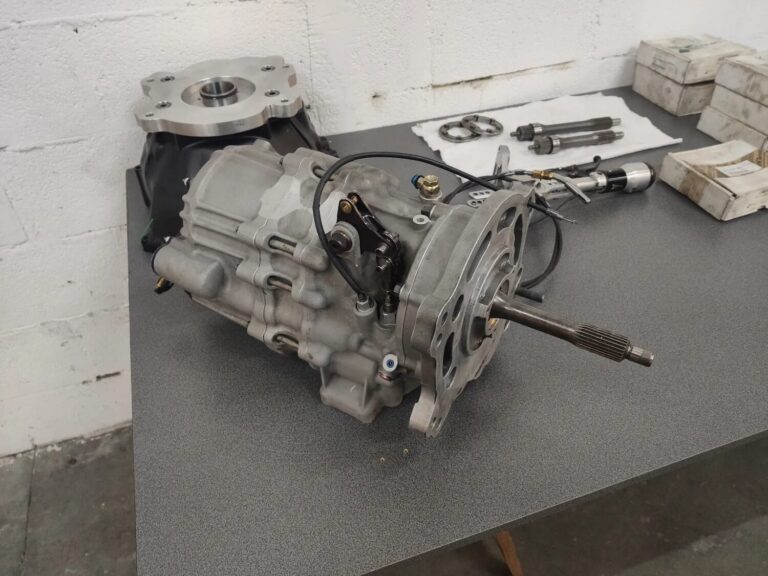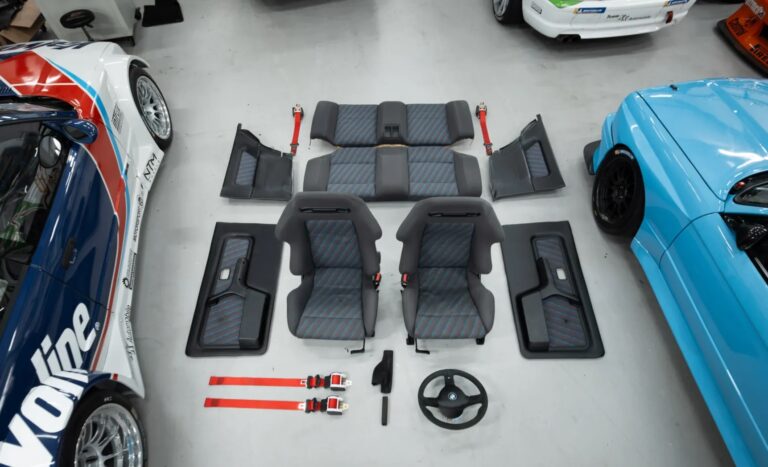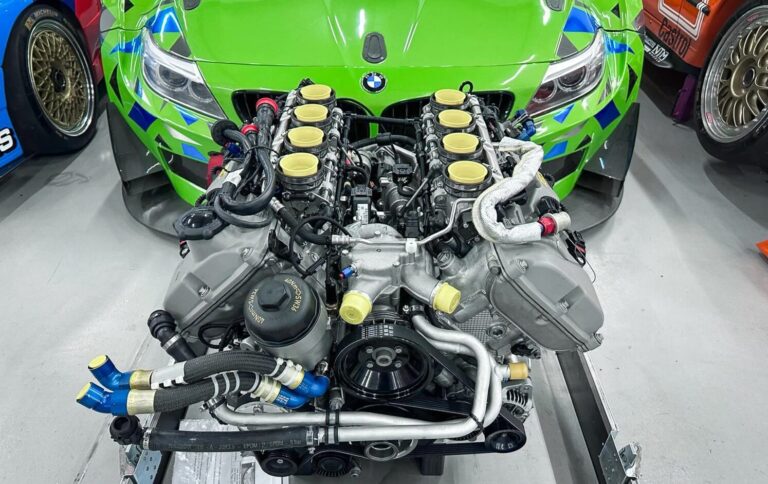
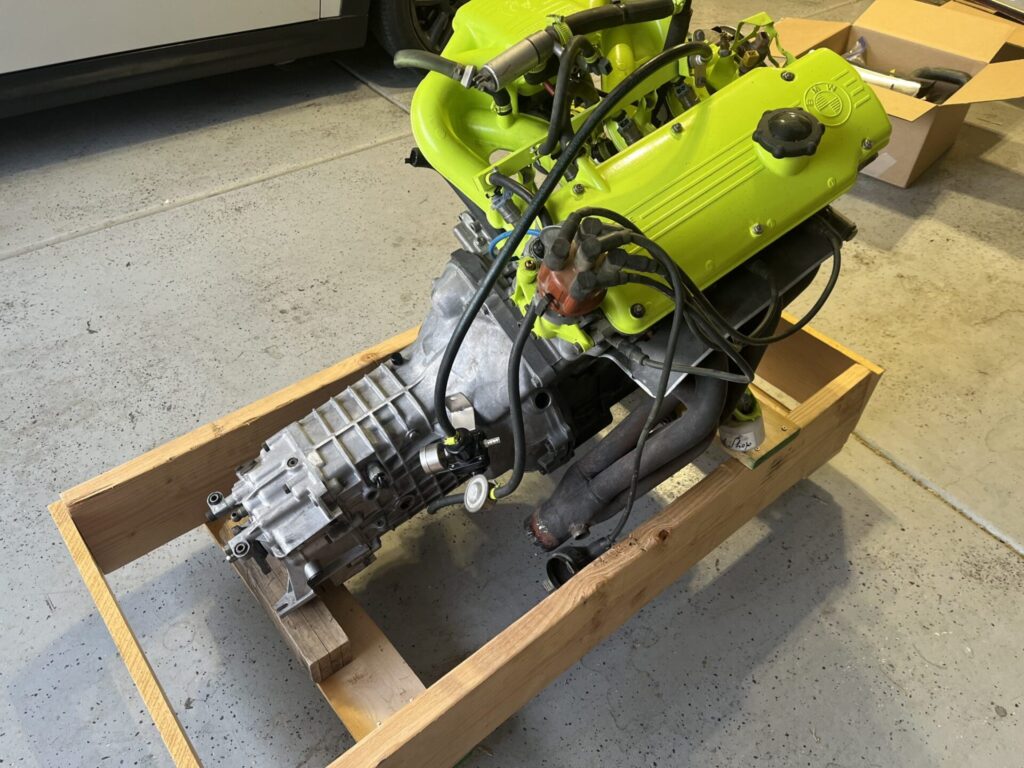
BMW M10 race engine
The M10 is BMW's foundation stone: the 1962 four-cylinder whose competition descendants won Formula 2 championships and — as the M12/13 turbo — a Formula 1 world title, while powering 2002s across every touring-car grid since.
History
BMW's Neue Klasse four (1962) was over-engineered from birth — a five-bearing, canted iron-block four the company admits was designed with racing headroom — and motorsport spent three decades cashing that cheque: 2002 and 2002 tii touring-car programmes through the late 60s and 70s, the 16-valve M12 evolutions that dominated Formula 2 (BMW-powered European F2 titles across the 70s), and ultimately the M12/13 turbo that took Piquet's 1983 F1 championship from the same block architecture.
In customer racing the M10's ubiquity was the point: 2002s, E21 320s and Formula 2 privateers all drew from one parts ocean, with Schnitzer, Alpina and the factory's own kits defining period tuning tiers — 200+ hp naturally aspirated race twos from two litres in period trim.
Historic racing keeps the whole ecosystem alive: FIA-spec M10 builds power 2002s in pre-'66 and Group 2 grids, historic F2's BMW class runs M12-family engines, and the specialist trade (Germany, UK, US) still manufactures or sources everything from cranks to slide-throttle systems. Period-correct spec documentation is what separates an eligible engine from merely a strong one.
Palmarès
European Formula 2 championships through the 1970s on M12-family engines; the 1983 F1 World Championship via the M12/13 turbo's block lineage; European and national touring-car titles for 2002/tii programmes; ongoing FIA historic class wins across four decades of revival racing.
What to check before you buy
Specification versus eligibility is the negotiation: an FIA Appendix K-legal 2002 engine (correct head casting, carburation/injection per homologation, documented internals) is worth multiples of a hot street build of identical power — verify the spec sheet against the papers your class demands. Standard forensics: block/head casting numbers and dates, crank provenance (billet replacements are common and fine if declared), builder invoice and dyno sheet, hours since refresh. M12-family F2 engines are specialist territory — slide throttles and period injection need the small circle of builders who still know them. The parts ocean keeps running costs rational; the paperwork sets the price.
Did you know
- One block architecture spans the 2002 club racer and Piquet's 1,000+ hp title turbo — the M10's family tree is motorsport's best value-for-casting story.
- BMW F2 engines of the 70s revved past 9,000 rpm on architecture shared with the family saloon — buyers of used 2002s were two derivations from Grand Prix hardware.
- The M12/13 turbo preferred seasoned road-car blocks — BMW reportedly selected high-mileage castings for stress relief before turning them into qualifying grenades.