

Chevrolet LS7 crate engine
The LS7 is the naturally aspirated American summit: GM's 7.0-litre, 505-horsepower dry-sumped V8 — the Z06's heart sold in a crate — that became road racing's big-displacement default from GT builds to endurance specials.
History
GM Performance built the LS7 (2006, the C6 Corvette Z06's engine) as the LS architecture's racing-honours graduate: 427 cubic inches via big bores and titanium rods, CNC-ported heads flowing like race pieces because they effectively were, dry-sump lubrication from the factory and 505 hp naturally aspirated — then sold it as a crate engine, putting genuine race-grade V8 hardware a purchase order away.
Motorsport adoption was immediate and broad: GT and club road racing builds (the engine's dry sump and rev character suiting circuit duty out of the box), endurance racers, hillclimb and time-attack specials, component cars and the professional drift tier's NA contingent — anywhere 7 litres of instant torque and proven reliability beat forced-induction complexity.
The used market carries one famous asterisk: early LS7 heads' valve-guide wear issue is the platform's documented weak point, making head inspection or remediation history the first question on any used unit — after which the engine's reputation for durability resumes. Crate pricing history anchors values; documented race builds with dry-sump systems complete command their premiums on paper, as ever.
Palmarès
Class wins across American and European club GT racing, endurance series and hillclimb championships in LS7-powered builds; the NA drift tier's championship record — two decades of the 7-litre default doing exactly what the spec sheet promised.
What to check before you buy
Valve guides first: the early-production head issue is the LS7's known asterisk — demand evidence of inspection or remediation (updated guides/heads, shop invoice) on any used engine, and price unverified examples as needing the job. Then standard V8 diligence: hours/mileage, leakdown numbers, dry-sump system completeness (tank, lines, pump stages — replacement costs are real), and management/harness state. Crate provenance with GM paperwork beats assembled unknowns. The NA character is the value: against boosted alternatives, an LS7's running costs and predictability are the quiet argument.
Did you know
- The LS7's titanium connecting rods came standard in a crate engine — race-shop internals with a GM part number and warranty mentality.
- 427 cubic inches deliberately echoed Chevrolet's big-block legend — GM's marketing knew exactly which number the faithful wanted stamped on the era's best NA head design.
- The valve-guide asterisk became the used market's password: 'guides done' is the two-word phrase that moves an LS7 from suspect to sold.
In the marketplace now
View all →No exact Chevrolet LS7 crate engine listed right now — here is closely related machinery on the market.
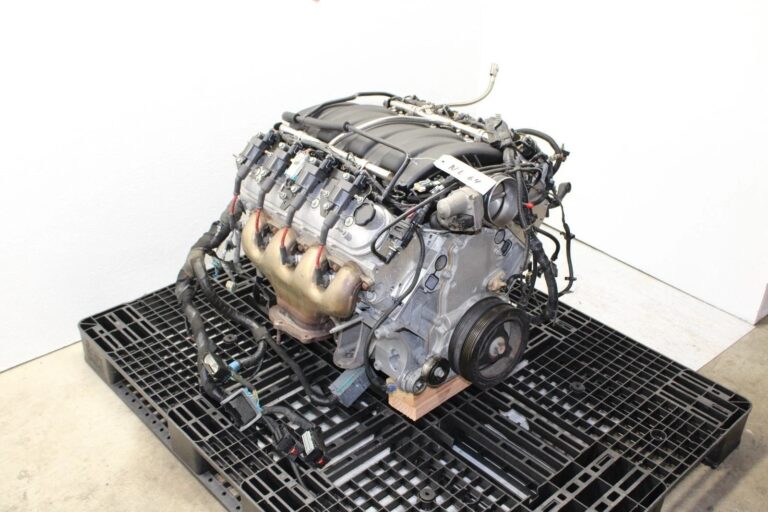
2008 Chevrolet Corvette Z06 M/T 7.0l LS7 Engine Assembly 107K OEM NL64
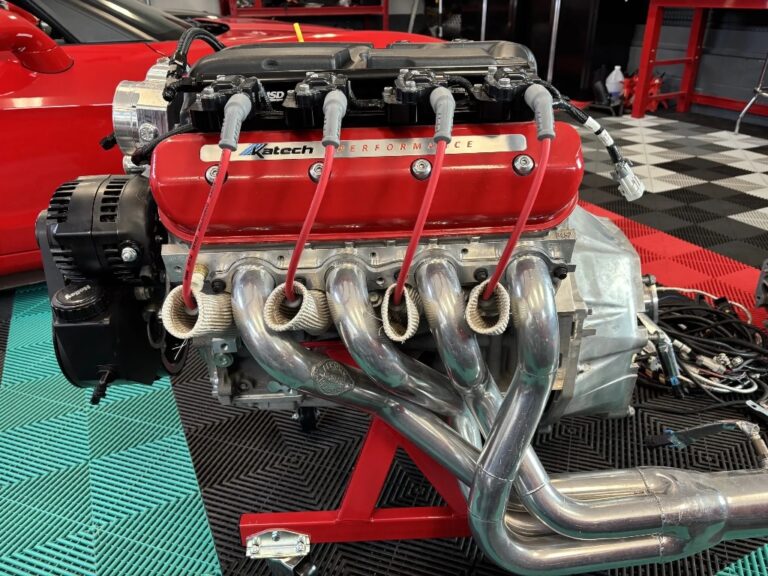
Chevrolet Performance LS7 Engine & T-56 6-Speed Transmission
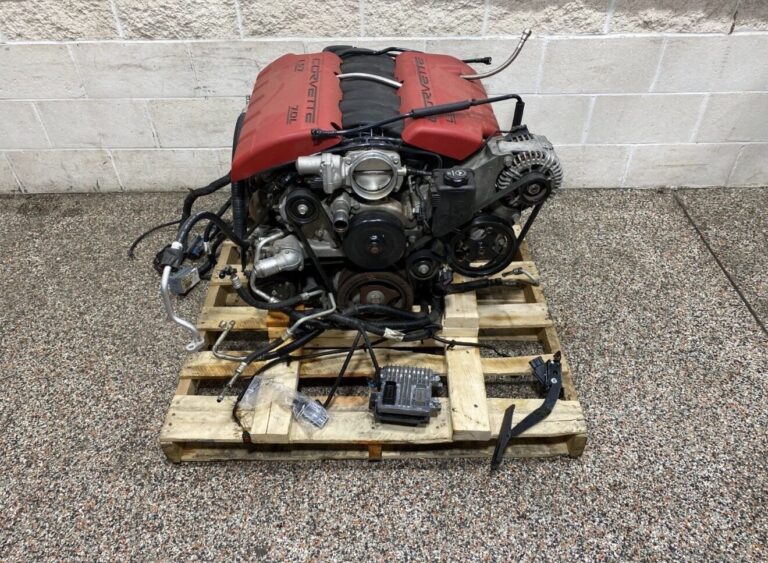
2007 CHEVROLET CORVETTE Z06 LS7 7.0L LS ENGINE MOTOR DRYSUMP DROPOUT
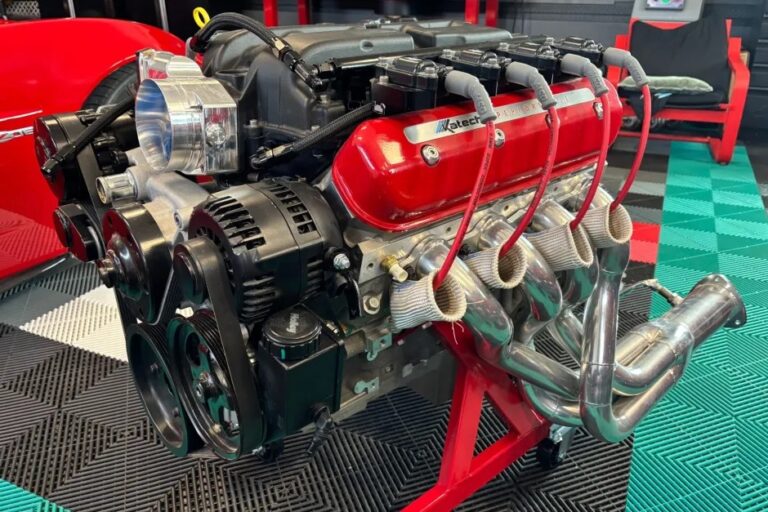
Chevrolet Performance LS7 Engine & T-56 6-Speed Transmission
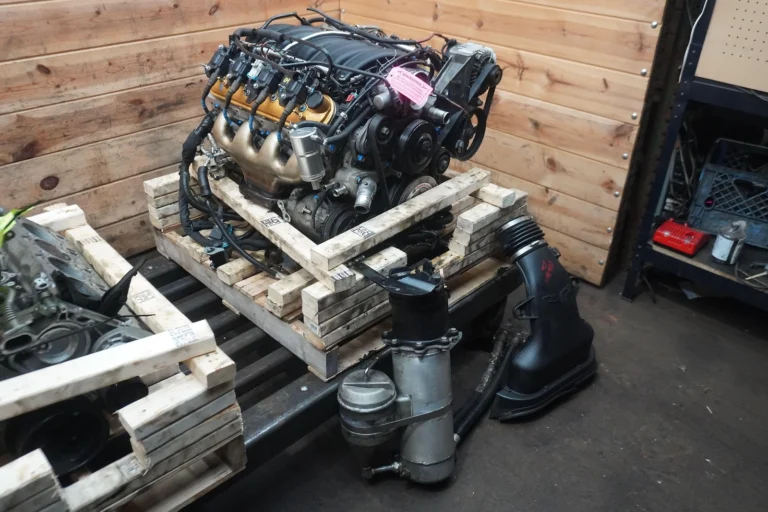
7.0l V8 LS7 Engine Dropout W/ Dry Sump & Gp Tuning Cam Chevrolet Corvette C6 Z06
Parts, spares & upgrades
Browse parts →2008 Chevrolet Corvette Z06 M/T 7.0l LS7 Engine Assembly 107K OEM NL64
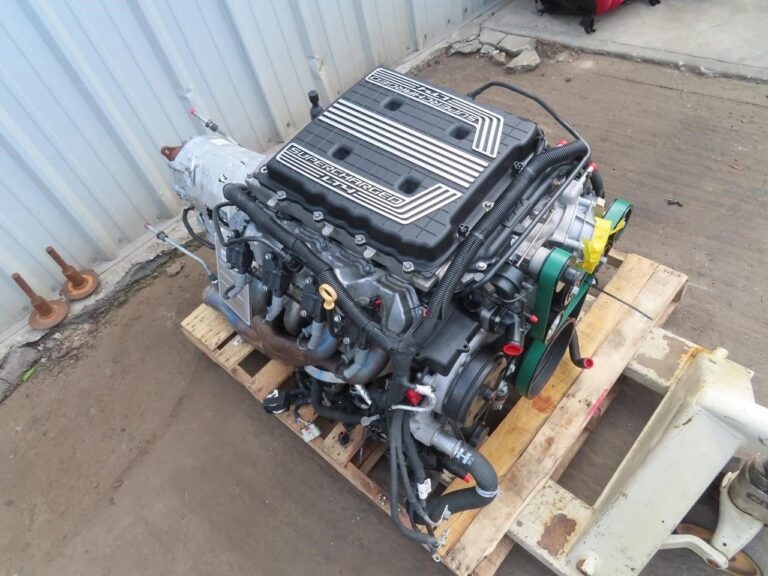
2020 Chevy Camaro ZL1 LT4 Engine Motor & Auto Transmission Swap 31k Mile
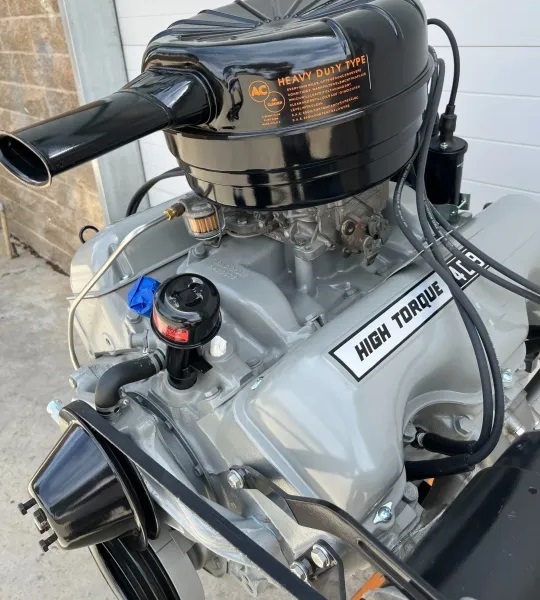
Chevrolet 409ci V8 Engine