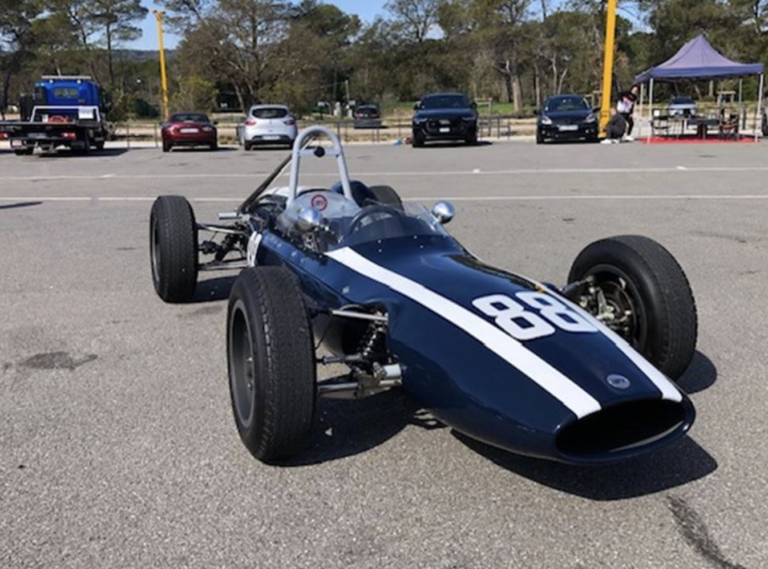

Lola T298 (Group 6)
The T298 is the two-litre Group 6 era's privateer staple: Lola's late-seventies sports prototype — the ROC-and-BMW-powered European campaigns — the barchetta line's final form now a historic-grid regular.
History
Lola's two-litre sports line reached its final form with the T298 (1978): the Group 6 era's privateer staple — the T290-family's decade-long evolution (the barchetta architecture refined through the T292-T296 lineage toward this closing statement), the engine-window spectrum (the ROC-Chrysler-and-BMW-M12 fitments the European privateers ran, the Cosworth options beside), and the customer-team culture (the French-and-German entrant depth the two-litre classes' national championships armed) — racing the era's endurance map: the World Championship's Group 6 two-litre classes, the European hillclimb-and-sprint careers (the double-duty versatility the type's market spread), and the national sports-car championships that kept the fleet racing until the Group C reset closed the formula.
The rules window shaped the fleet's longevity: Group 6's two-litre division survived the decade's category reshuffles largely intact, so a T298 bought in 1978 could race the same class silhouette for four seasons — a stability that let the privateer teams amortise their chassis and that today gives the survivors unusually coherent, single-formula biographies.
The privateer-staple economics frame the type: the customer-production depth (the T290-family's volume the class's biggest fleet), the fitment-spectrum documentation culture, and the versatility case (circuit-and-hill careers the same chassis served).
The final-form identity structures the market: the historic-sports welcome (the Group 6 revival classes' regular grids), the lineage-position scholarship (T296-versus-T298 truths per car), and the barchetta-line romance the era's machinery carries.
The present is historic-Group-6 custody: fitment-identity law, chassis-biography documentation, and the staple's rational case throughout.
Palmarès
Group 6 two-litre class campaigns across the World-Championship rounds and the European national seasons — the privateer staple's late-seventies ledger.
What to check before you buy
Privateer-staple law: fitment identity first (the ROC-BMW-Cosworth spectrum's per-car truth — the engine documentation the custody's frame, each path's specialist economics different), lineage-position precision (the T290-family's evolution steps pricing per generation), discipline-history honesty (circuit-versus-hill careers' stress biographies), and crack-test currency per the era's uprights. The historic-Group-6 welcome structures the racing life; the staple's case is rational — the class's biggest fleet trades transparently, and the final-form status prices the barchetta line's completion at accessible-classic stakes.
Did you know
- The line's final form: the T298 closing the decade-long T290-family evolution.
- The engines were a spectrum: ROC, BMW and Cosworth fitments serving the privateer nations.
- Double duty was the market: the same chassis racing circuits and climbing hills across Europe.
In the marketplace now
View all →No exact Lola T298 (Group 6) listed right now — here is closely related machinery on the market.
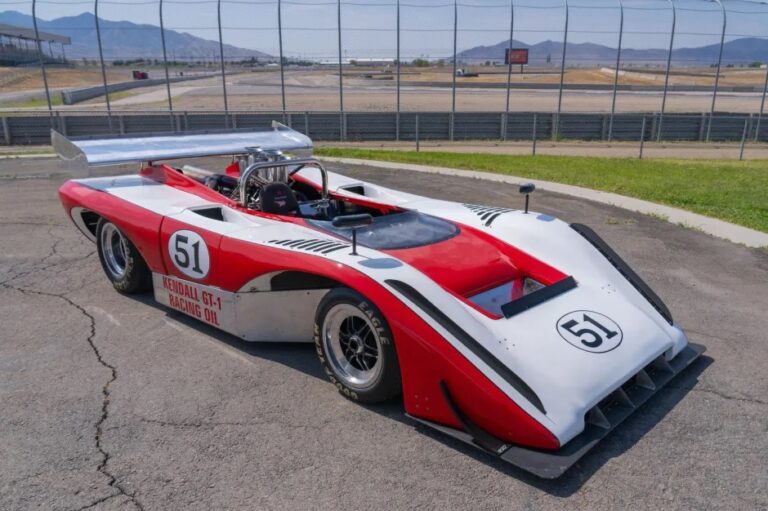
1971 Lola T222
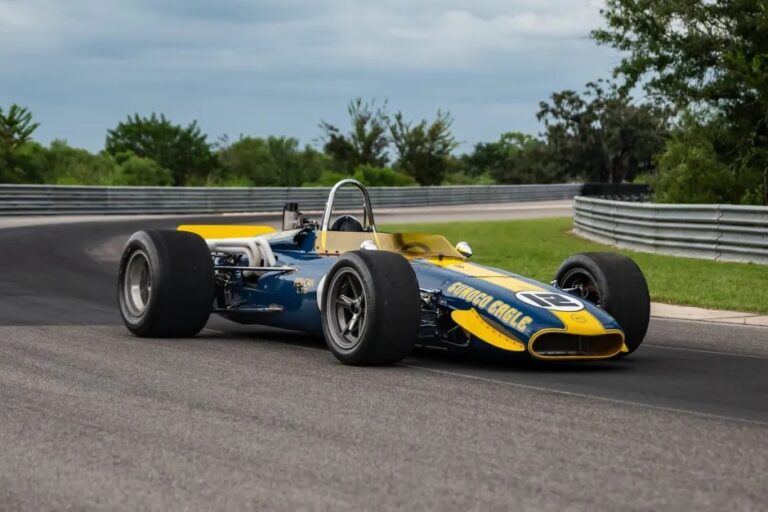
1968 AAR-Chevrolet Eagle Indy Car
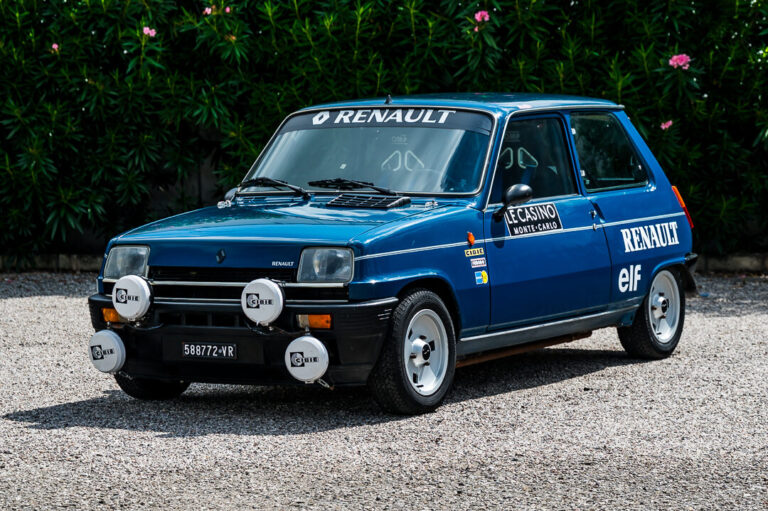
Renault 5 LS Montecarlo Gr. 1
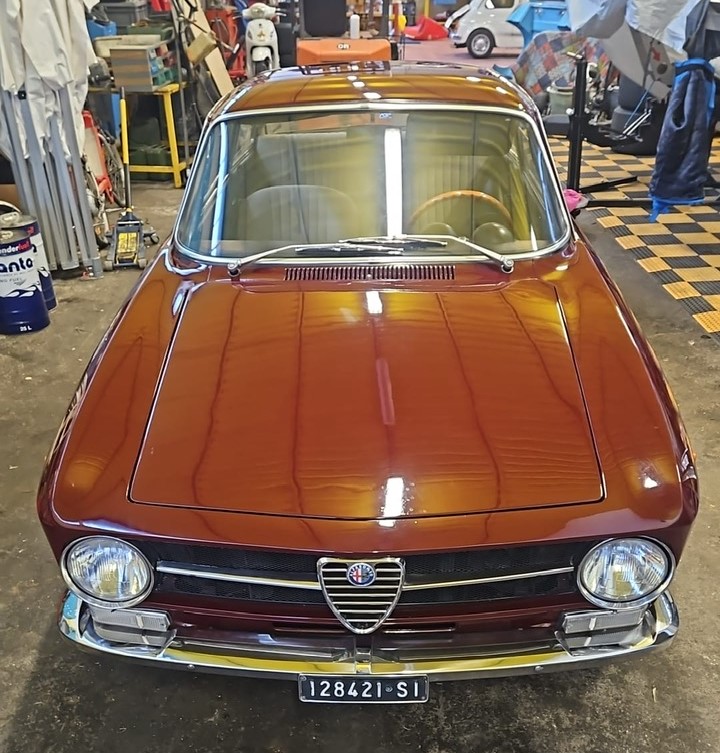
Alfa Romeo GT Junior 1.6 ASI 1972
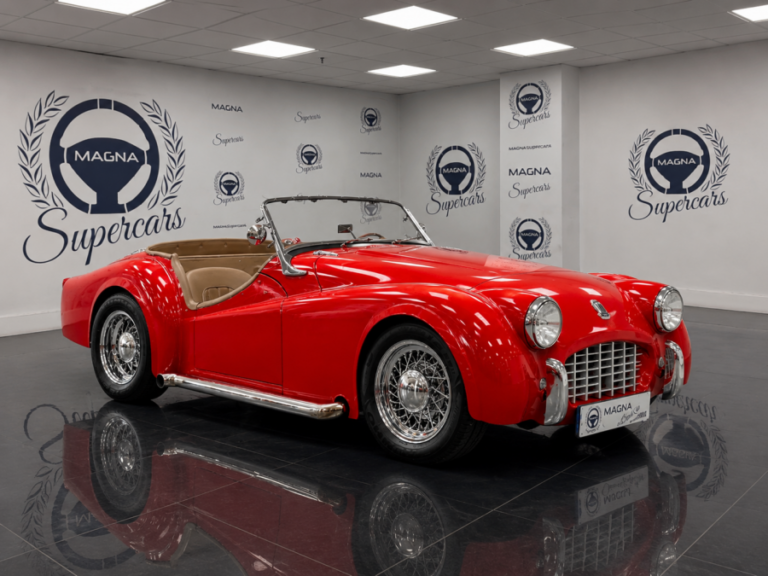
Triumph TR3
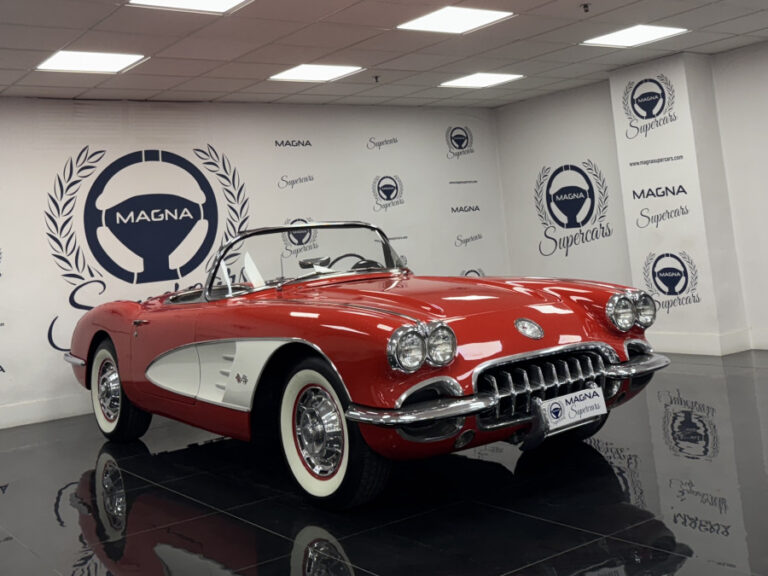
Chevrolet Corvette C1 Cabrio 1960
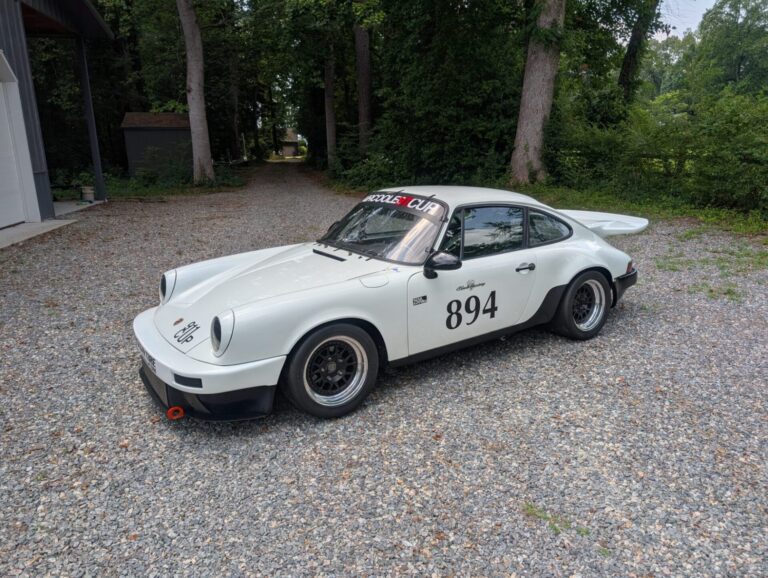
1987 Porsche 911 Racecar